There are certain destinations that exceed your expectations, and then there are places that completely capture your imagination. For me, Scotland falls firmly into the latter category.
Before visiting, I expected stunning landscapes, historic castles, and perhaps a bit of unpredictable weather. What I didn’t expect was how deeply the country would leave an impression on me long after I returned home.
Many travelers think of Scotland as a single destination, but after spending time in Glasgow, Edinburgh, and the Highlands, I quickly learned that each offers a completely different experience, making it one of the best tours of Scotland for immersive and varied travel, and easily one of the best parts of Scotland to visit. From Glasgow’s creative energy to Edinburgh’s historic charm and the breathtaking landscapes of the Highlands, every stop revealed a new side of Scotland that left a lasting impression.
Why I Love Glasgow ❤️
Glasgow, Scotland’s largest city, sits in the west-central Lowlands along the banks of the River Clyde.
I’ll admit it. I wasn’t sure what to expect from Glasgow. While many travelers immediately gravitate toward Edinburgh, Glasgow surprised me with its authenticity, creativity, and welcoming spirit. The city feels lived-in and local in the best possible way. It’s less concerned with impressing tourists and more focused on being itself. After spending time here, I can see why many travelers consider Glasgow one of the best parts of Scotland to visit, offering a vibrant mix of culture, history, music, and genuine local charm.
The Ben Nevis, a classic whisky tavern bar at the foot of Scotland’s most iconic peak.
Glasgow Necropolis, a hauntingly beautiful Victorian cemetery perched above the city, watching over Glasgow from the hilltop.
River Clyde in Glasgow. The mighty waterway that shaped a city.
Scotch Malt Whisky Society. Three rare single-cask drams from Scotland’s whisky club. Can’t find them anywhere else!
The Lismore, a beloved local bar where Scotland’s spirit is poured with pride.
What stood out most was Glasgow’s people. Friendly conversations seemed to happen everywhere, whether in a neighborhood pub, coffee shop, or while exploring the city center. The humor, warmth, and pride locals have for their city were impossible to miss.
Architecturally, Glasgow is stunning. The city’s Victorian buildings and grand public spaces showcase a rich industrial history, while modern art galleries, music venues, and restaurants demonstrate how forward-thinking the city has become.
For me, Glasgow felt like the cultural heartbeat of Scotland, a city that rewards travelers willing to venture beyond the obvious and experience a more local side of the country.
Street Art, Glasgow City Centre. Bold murals bringing downtown Glasgow to life on foot.
Queen Victoria, Kelvingrove Art Gallery & Museum. The regal monarch presides over one of Glasgow’s grandest cultural treasures.
Kelvingrove Art Gallery & Museum. A stunning red sandstone landmark that’s as breathtaking outside as it is within.
Gallery of Modern Art, Glasgow, contemporary art in the heart of the city.
Friends in Glasgow!
Glasgow Green. The city’s oldest public park, a beloved patch of green along the Clyde.
Oran Mór, a magnificent converted church where stained glass and spirits make for an unforgettable pint.
Ashton Lane, a charming cobblestoned market lane tucked away in Glasgow’s West End.
Edinburgh: Where History Comes Alive
If Glasgow is Scotland’s cultural heartbeat, Edinburgh is its storybook. Walking through Edinburgh felt like stepping into another century.
As Scotland’s capital, Edinburgh is a city where history is easy to see, from the medieval streets of the Old Town to the castle that rises above the skyline.
Every cobblestone street, hidden alleyway, and towering church seemed to tell a story. The city’s dramatic skyline, crowned by Edinburgh Castle, is one of the most recognizable and beautiful in Europe.
Greyfriars Kirkyard, Edinburgh. The atmospheric cemetery where J.K. Rowling found inspiration for the world of Harry Potter.
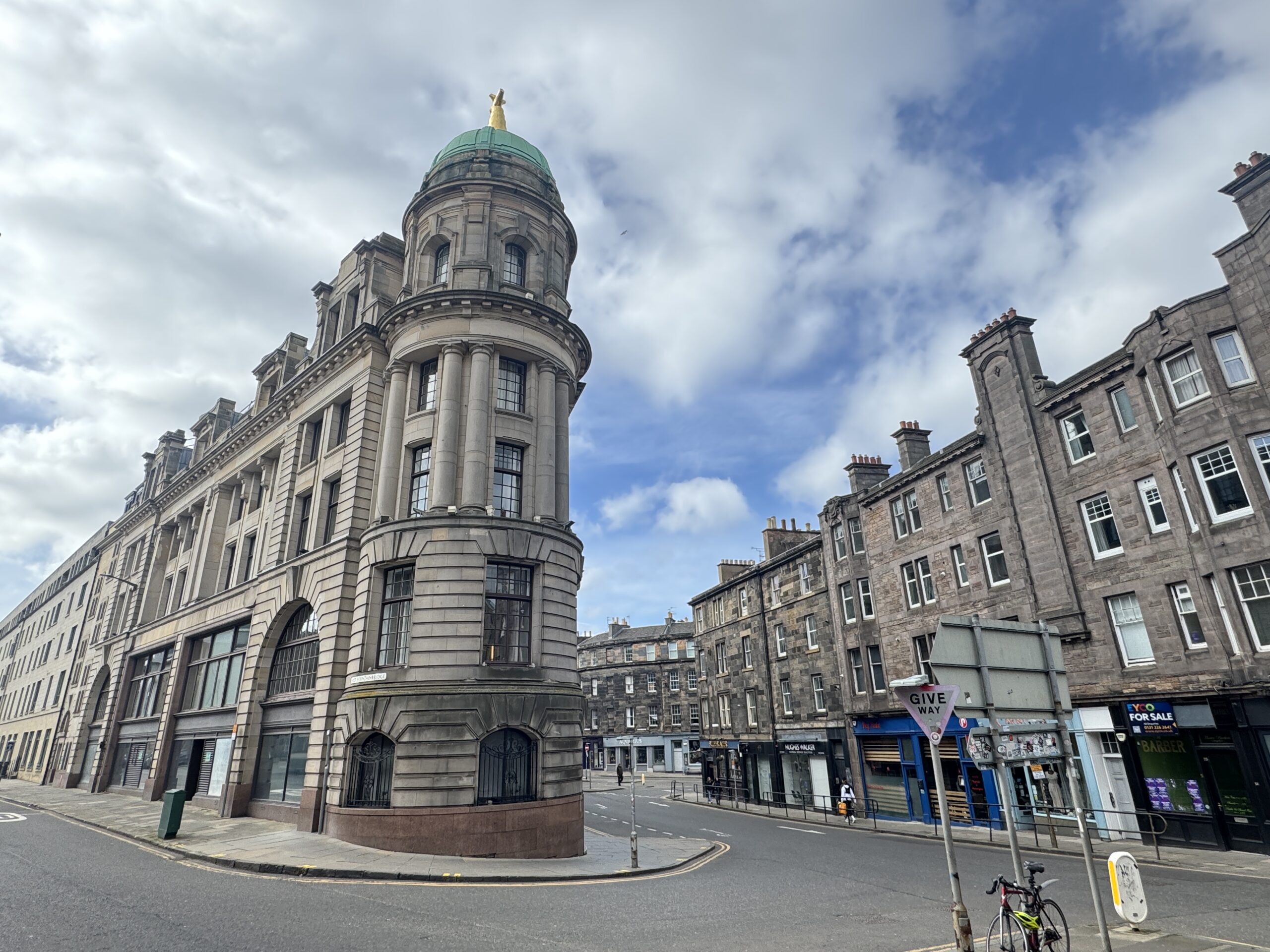
Edinburgh City Centre, a striking skyline of medieval spires and Georgian elegance at every turn.
National Museum of Scotland, Edinburgh. Centuries of Scottish history, culture, and invention under one magnificent roof.
Dean Village, Edinburgh. A tranquil hidden gem tucked along the Water of Leith, just steps from the bustling city.
Edinburgh Castle. An ancient fortress looming over the city from its volcanic perch, defining Scotland’s skyline.
Water of Leith, Edinburgh. A peaceful riverside walk winding through the heart of the city.
Downtown Edinburgh
Dean Village. A serene stretch of water framing one of Edinburgh’s most picturesque historic corners.
Edinburgh from the Castle. The city sprawls below in a sweeping panorama of rooftops, spires, and distant hills.
Cockburn Street, Edinburgh. The winding, cobblestoned street said to have inspired Diagon Alley itself.
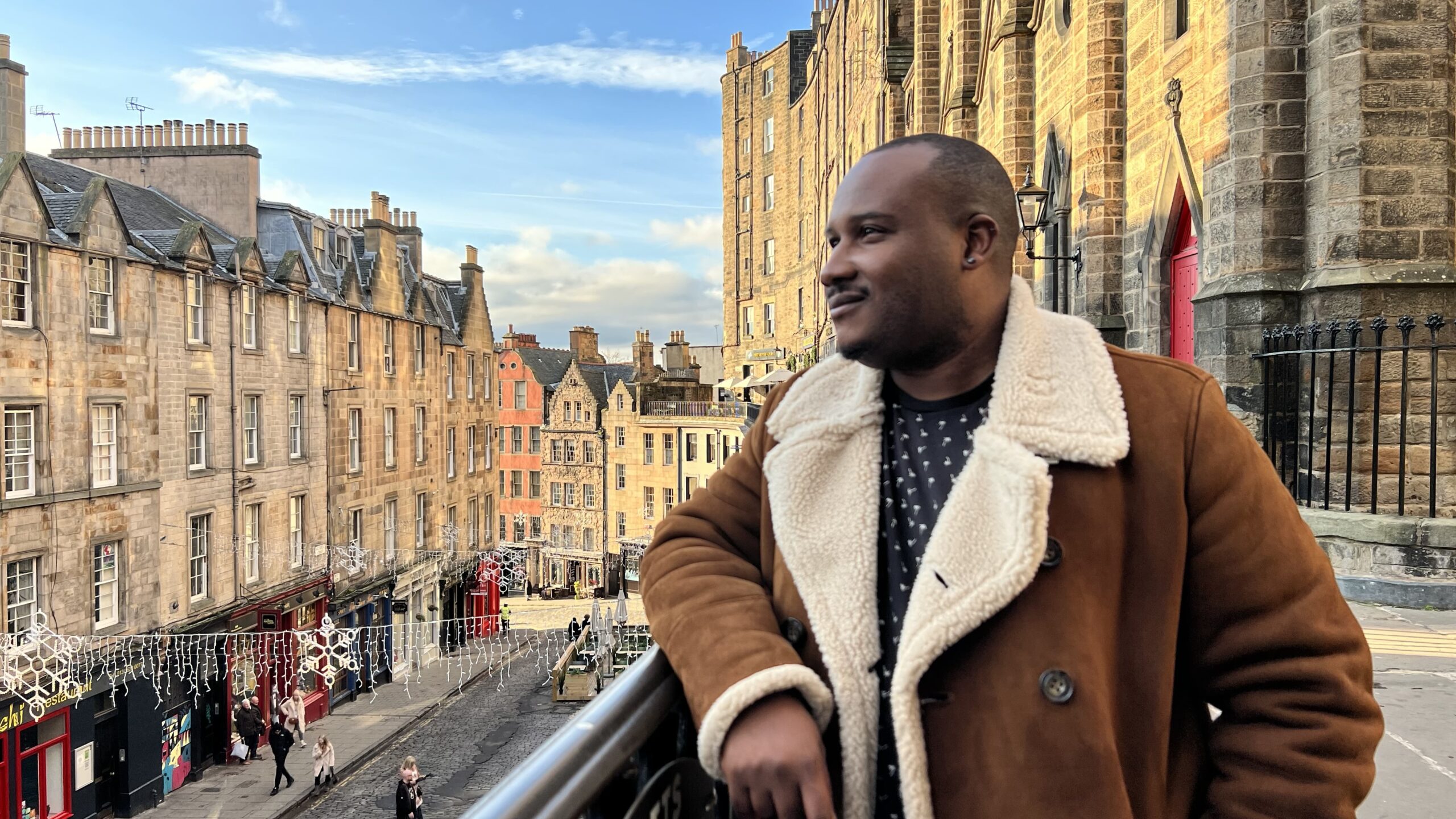
One of my favorite experiences was simply wandering. The Royal Mile offers countless historical landmarks, but some of the city’s most memorable moments came from exploring neighborhoods beyond the tourist trail. Areas like Stockbridge offered a glimpse into local life, complete with independent shops, charming cafés, and a slower pace.
Edinburgh masterfully balances its historic past with modern energy. Whether you’re exploring centuries-old castles, enjoying Scotland’s food scene, or relaxing in a traditional pub, the city manages to feel both timeless and vibrant. It’s easy to understand why so many visitors fall in love with Edinburgh, and why so many return.
Moray Estate, Edinburgh. An elegant sweep of Georgian crescents that remains one of Edinburgh’s most refined addresses.
The Balmoral Hotel, Edinburgh. An iconic clock tower and grand dame of Scottish hospitality, anchoring the city’s most celebrated boulevard.
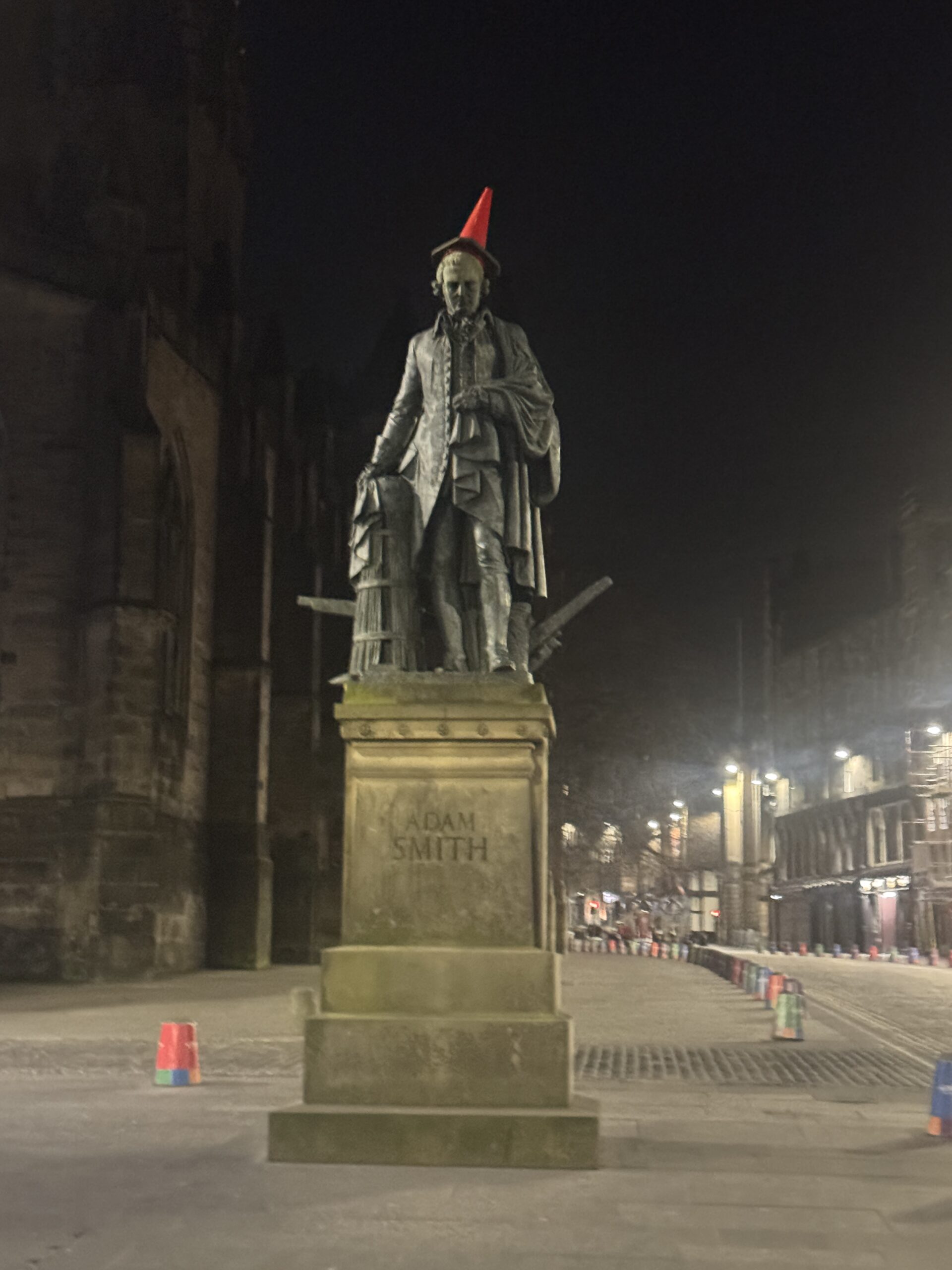
Adam Smith, Royal Mile. A tribute to the father of modern economics on Edinburgh’s most historic street.
Mother Superior Bar. A quirky Edinburgh watering hole with character to spare.
National Monument & Nelson Monument, Edinburgh. Two towering tributes to glory and sacrifice crowning the city from Calton Hill.
Royal Mile, Edinburgh. The beating heart of the Old Town, where centuries of history line every cobblestone.
View from the W Hotel, St. Andrew Square. A rooftop perspective over the Georgian square, with the Melville Monument standing tall at its center.
Royal Mile at Night. The Old Town glows under lamplight, ancient stone streets taking on a whole new atmosphere after dark.
Cockburn Street & Anta House. A winding cobblestoned lane steeped in Harry Potter lore, with a beloved Scottish design shop tucked among its curves.
Dean Village. A fairytale pocket of old Edinburgh where historic mill buildings meet the quiet flow of the Water of Leith.
Edinburgh Castle at night.
Edinburgh Castle.
The Highlands: Scotland’s Wild and Beautiful Soul
Nothing prepared me for the Highlands. Photos simply don’t do justice to the scale, beauty, and atmosphere of this remarkable region. Every winding road revealed another unforgettable view: towering mountains, shimmering lochs, ancient glens, and landscapes that seemed untouched by time.
Glencoe. Dramatic highland peaks rising from the valley floor in one of Scotland’s most awe-inspiring landscapes.
Callander. A charming gateway town to the Scottish Highlands, where the drama of the hills begins.
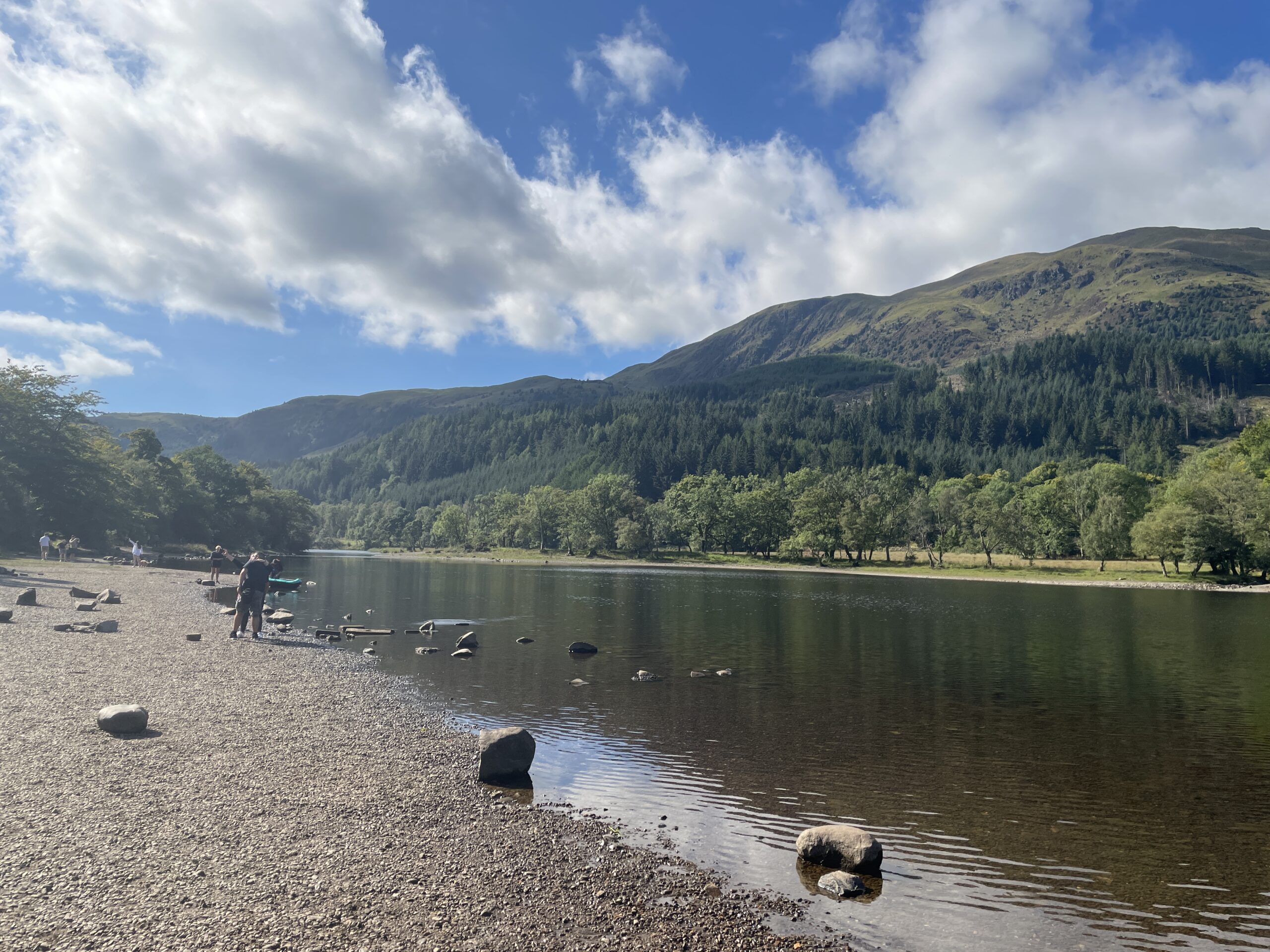
Loch Lubnaig. A long, still stretch of Highland loch framed by forested slopes and mountain peaks.
Inverness. The vibrant capital of the Highlands, where the River Ness flows through a city rich in history and charm.
Loch Ness. Scotland’s most legendary loch, vast and brooding, where the world’s most famous monster is said to lurk beneath the surface.
Loch Ness Gift Shop. Where every plushie and postcard promises a glimpse of the elusive Nessie.
Loch Ness. Scotland’s most legendary loch, vast and brooding, where the world’s most famous monster is said to lurk beneath the surface.
Foyers. A quiet Highland village perched above Loch Ness, far from the tourist trail.
Spean Bridge. A small Highland town sitting at the foot of Ben Nevis country, rugged and unhurried.
What struck me most wasn’t just the scenery, it was the feeling. The Highlands have a way of slowing you down. There’s a sense of peace and perspective that comes from standing in a place where nature remains firmly in charge. The region’s history is equally compelling. Stories of clans, battles, resilience, and tradition seem woven into every valley and village. Combined with the breathtaking landscapes, it creates an experience that feels uniquely Scottish.
For me, the Highlands represented the Scotland I had always imagined: dramatic, rugged, beautiful, and unforgettable. Long after returning home, it’s the Highlands that I find myself thinking about most often.
Map of the Highlands
Dalmally. A peaceful village nestled in the hills of Argyll, where time moves a little slower.
Glencoe. A hauntingly beautiful Highland valley carved by glaciers and steeped in ancient history.
Inverfarigaig, Loch Ness. A wild and wooded hillside community clinging to the southern shores of the legendary loch.
Foyers Region. A dramatic stretch of Highland landscape tumbling down to the dark waters of Loch Ness.
Sheep in Spean Bridge. The true locals of the Highlands, utterly unbothered by the scenery around them.
River Oich. A peaceful Highland river threading its way through the Great Glen toward Loch Ness.
Conclusion
Why Scotland Keeps Calling Me Back? Well, Scotland gave me three completely different experiences in one journey.
1. Glasgow introduced me to Scotland’s people and culture. 2. Edinburgh immersed me in history and tradition. 3. The Highlands reminded me of the power and beauty of the natural world. Together, they created a trip that exceeded every expectation. As both a traveler and a travel advisor with Carlisle Travel, I left Scotland with one certainty: this is a destination worth experiencing at least once in your lifetime, and probably more than once.
Because the truth is, Scotland doesn’t just give you memories. It leaves you wanting to come back.
Frequently Asked Questions
Absolutely. Scotland is one of the easiest European destinations for Americans to visit. English is the primary language, the locals are welcoming, and the transportation infrastructure is excellent. It offers the perfect blend of historic cities, stunning landscapes, and cultural experiences without feeling overwhelming.
For a first visit, I recommend at least 7–10 days. This allows enough time to explore Edinburgh, experience Glasgow, and venture into the Highlands.
If you have 12–14 days, you’ll be able to travel at a more relaxed pace and discover some of Scotland’s lesser-known gems, making it the ideal way to experience the best part of Scotland to visit.
Not necessarily. Edinburgh and Glasgow are very walkable cities with excellent public transportation.
However, if you want to explore the Highlands extensively, renting a car offers the most flexibility and access to scenic routes and remote locations. For travelers uncomfortable driving on the left side of the road, guided tours are an excellent alternative.
May through September generally offers the best weather and longest daylight hours. Personally, I found spring and early autumn to be ideal because there are fewer crowds while still enjoying beautiful scenery. Just remember that Scottish weather can change quickly, so packing layers is always a smart idea.
Scotland can accommodate a variety of budgets. Edinburgh tends to be the most expensive city, especially during the summer months and festival season. Glasgow often offers better value, while costs in the Highlands vary depending on location and accommodation style. Planning ahead can help secure excellent rates on hotels and transportation.
Layers, layers, and more layers. Even during summer, temperatures can fluctuate throughout the day. I recommend a light waterproof jacket, comfortable walking shoes, a sweater or fleece, and clothing that can be mixed and matched. An umbrella is helpful, but a good rain jacket will usually serve you better.
Without question. Scotland’s culinary scene is one of Europe’s most underrated. Fresh seafood, locally sourced ingredients, traditional pubs, modern restaurants, and world-class whisky make it a fantastic destination for food lovers. Don’t leave without trying fresh salmon, fish and chips, Scotch pie, or a whisky tasting experience.
For most first-time visitors, I recommend Edinburgh. Its history, architecture, and iconic landmarks create a quintessential Scottish experience. However, if you enjoy art, music, food, and experiencing a more local side of Scotland, Glasgow may surprise you. Ideally, spend time in both cities as they complement each other beautifully and offer two very different perspectives on Scottish culture. Besides with ScotRail you can get between both cites within under an hour!
Hi, I’m Dak, Travel Advisor for Carlisle Travel.
I’m passionate about helping travelers discover destinations through authentic experiences, local culture, and unforgettable adventures.
Through this blog, I share travel stories, insider tips, and inspiration from my journeys around the world—one destination at a time.
We use cookies to improve your experience on our site and help us understand how visitors interact with our website. This information may be shared with our analytics and advertising partners.
Ready to start planning? Fill out the form below to tell us a bit about you and the kind of trip you have in mind. After we receive it, we’ll be in touch to talk through your preferences, priorities, and overall vision.
with
Join The Team
Ready to grow your travel business with us? Fill out the form below to tell us a bit about you and your experience. After we receive it, we'll be in touch to talk through next steps.
Carlisle Travel
You can reach
at
Didn't reach me? The easiest way to connect with me is by sending a message. Send me a message, and I'll contact you as soon as possible.