Tours Basque Country Spain: Discover Spain’s Fiercely Proud Cultural Heart

July 30, 2026
Randy Legge
Article Author Randy Legge
0:00|—:—

Summary

  • The Basque Country Spain (Euskadi) is a fiercely independent region of northern Spain with its own language, Euskara, unrelated to any Indo-European tongue and predating the Basques' own arrival in the region.
  • Bilbao anchors the region, blending the modern Guggenheim Museum and titanium curves with the medieval Casco Viejo, its Siete Calles maze of pintxos bars and Gothic churches.
  • Gernika stands as the cultural and historic heart of Basque identity, transformed from a symbol of ancient autonomy into a global emblem of peace after the 1937 bombing immortalized by Picasso.
  • Coastal towns like Plentzia and the dramatic cliffs of the Bay of Biscay offer relaxed seaside escapes, surfing, and centuries of maritime history.
  • Pintxos, Basque Country's take on tapas, turn eating into ritual, best experienced through a leisurely bar-hopping walk through Bilbao's Old Town.
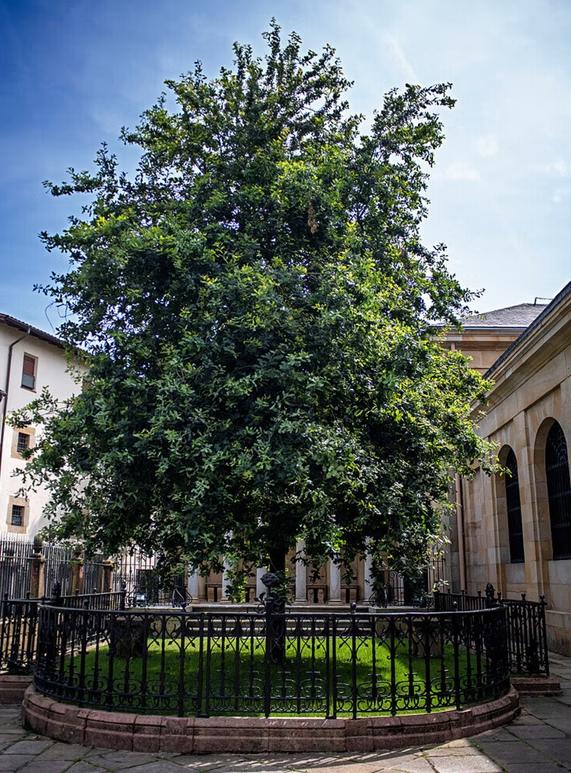
Gernika Tree of Life. The tree’s symbolism endures as new saplings grown from the original oak have been replanted, turning it into a resilient, generational reminder of Basque democracy and cultural pride.

Gernika Tree of Life. The tree’s symbolism endures as new saplings grown from the original oak have been replanted, turning it into a resilient, generational reminder of Basque democracy and cultural pride.

A Vibrant, Yet Guarded Culture

Officially called the Basque Autonomous Community or Euskadi in northern Spain, it is one of Spain’s 17 autonomous communities and the political heartland of the Basque people with Bilbao as the largest city. And, like the rugged green mountains that cradle the Bay of Biscay—steadfast, ancient, shaped by centuries of wind and water—the Basques guard their culture with equal resolve. Euskadi feels like a world apart: a land where language, tradition, and identity have resisted nearly every tide of history. That sense of separateness defines daily life.

The Basques fiercely protect their language, independence, and a culinary tradition considered among Europe’s most inventive. Historic churches sit beside lively plazas; fishing villages keep customs passed down for generations. Cities like Basurto and Plentzia reveal the dramatic sweep of the Bay of Biscay and offer experiences such as the Pintxos Walk—more than bar-hopping, it is a ritual of belonging, a slow communal movement through streets where identity has endured for centuries.

Centered on Biscay (Bizkaia), Gipuzkoa, and Álava, the Basques form one of Europe’s oldest continuous peoples. Their language, Euskara, is a linguistic isolate—unrelated to Spanish, French, or any Indo-European tongue—likely predating their arrival. Over time they resisted Visigoths, Franks, Normans, and at moments the Moors. No place symbolizes Basque culture more than Gernika.

Long tied to autonomy through the ancient Tree of Gernika, the town became a global symbol after April 26, 1937, when Nazi Germany and Fascist Italy bombed it relentlessly. The attack—one of the earliest large-scale bombings of civilians transformed Gernika into an symbol of peace. Saplings from the original oak continue the tradition, and Picasso’s stark painting Guernica immortalized the tragedy. Today Basque Country enjoys broad autonomy within Spain, with its own parliament, police, and official recognition of Euskara. Identity remains strong—from rural caseríos to urban pride and a culture rooted in community, resilience, and exceptional food.

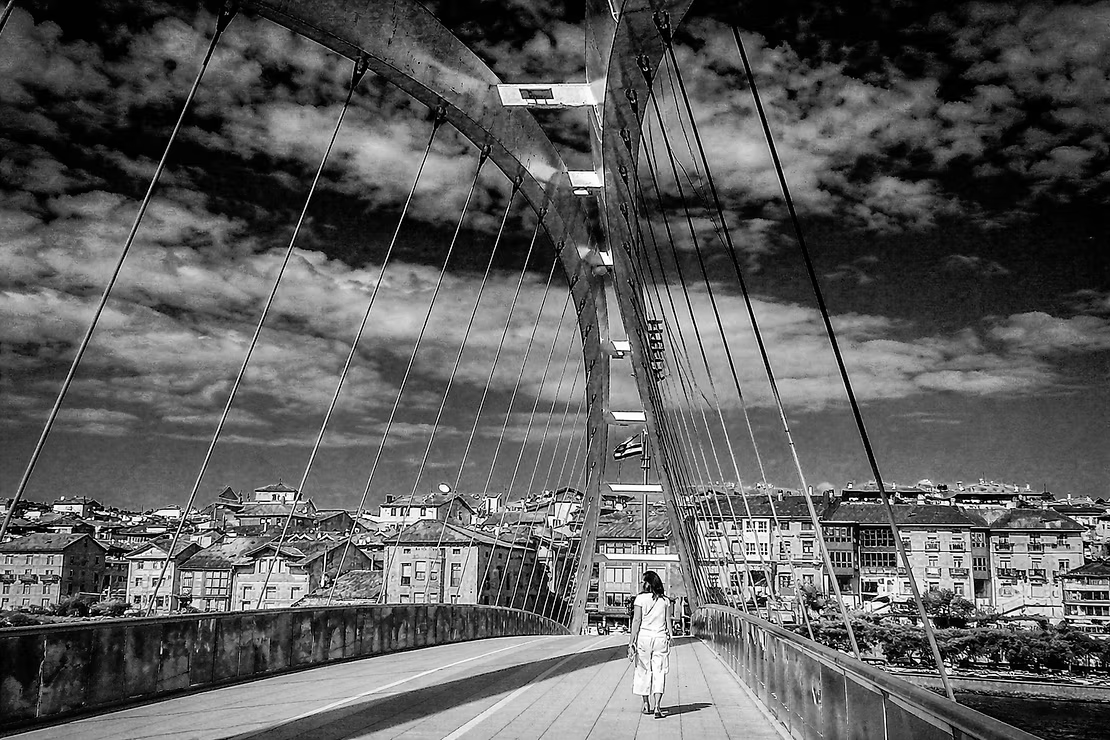
Campo Vilantin (Zubizuri) bridge in Bilbao and spouse near the Guggenheim Museum

Campo Vilantin (Zubizuri) bridge in Bilbao and spouse near the Guggenheim Museum

Basurto and Bilbao

Basurto (Basurtu), part of Bilbao’s Basurto-Zorroza district, is a lived-in neighborhood rather than a polished tourist zone. With medieval roots tied to Abando and early religious sites like the hermitage of San Mamés, it sits near the Nervión River and serves as a key entry point to the city.Modern Basurto is known for San Mamés Stadium, the Hospital de Basurto, and the Bilbao Intermodal hub. Recent improvements have added pedestrian areas and green spaces, making it an excellent place to feel everyday Bilbao.

From here, the Casco Viejo and the coast are easily reached. A short ride brings you to Bilbao’s major sights: the UNESCO-listed Vizcaya transporter bridge, the Guggenheim Museum with its titanium curves, monumental installations like Richard Serra’s The Matter of Time, and exterior icons such as Koons’ Puppy and Bourgeois’ Maman. Bilbao’s historic quarter, the Casco Viejo, is a maze of medieval streets known as the Siete Calles. Gothic churches, the Mercado de la Ribera, pintxos bars, artisan shops, and lively plazas make it the beating heart of the city.

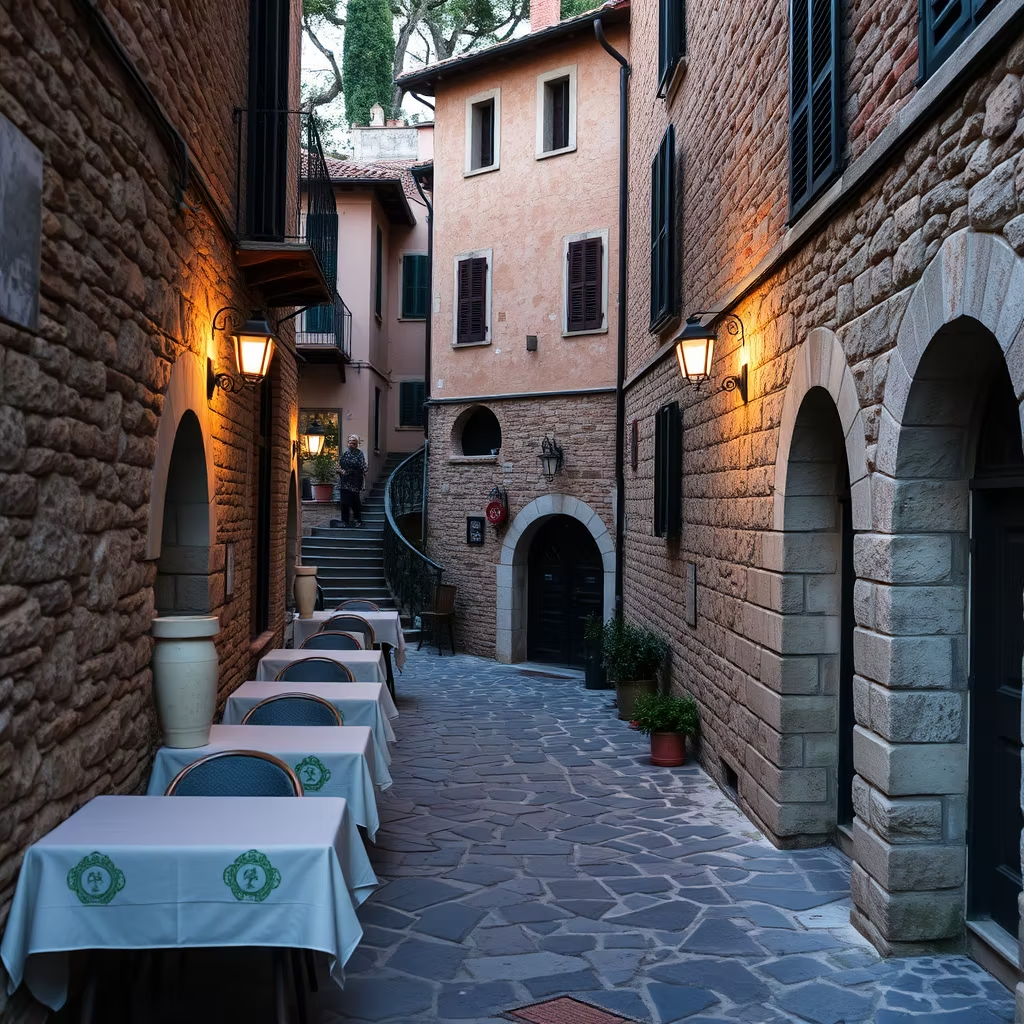
Historic Plentzia

Historic Plentzia

Plentzia

Plentzia is coastal charm about 25 km northeast of Bilbao, Plentzia is a seaside town with a sheltered, shell-shaped bay shared with Gorliz and Barrika. Its sandy beach, small port, and scenic footbridge make it ideal for a relaxed day trip. Swim, stroll, enjoy seafood, or explore coastal paths. Founded in the 13th century, Plentzia grew through maritime trade, shipbuilding, and early whale hunting. Its medieval core still shows parallel streets, sailors’ houses, the Church of Santa María Magdalena, remnants of walls, and a tower-house museum.

The Bay of Biscay forms the region’s dramatic northern edge. Atlantic swells carve cliffs and coves, creating excellent surfing beaches and keeping the hinterland lush. Highlights include flysch formations, fishing towns like Bermeo and Lekeitio, San Juan de Gaztelugatxe, and long beaches around Sopela or Zarautz. Basque food is a high art, expressed daily through pintxos—small, often elaborate bites.

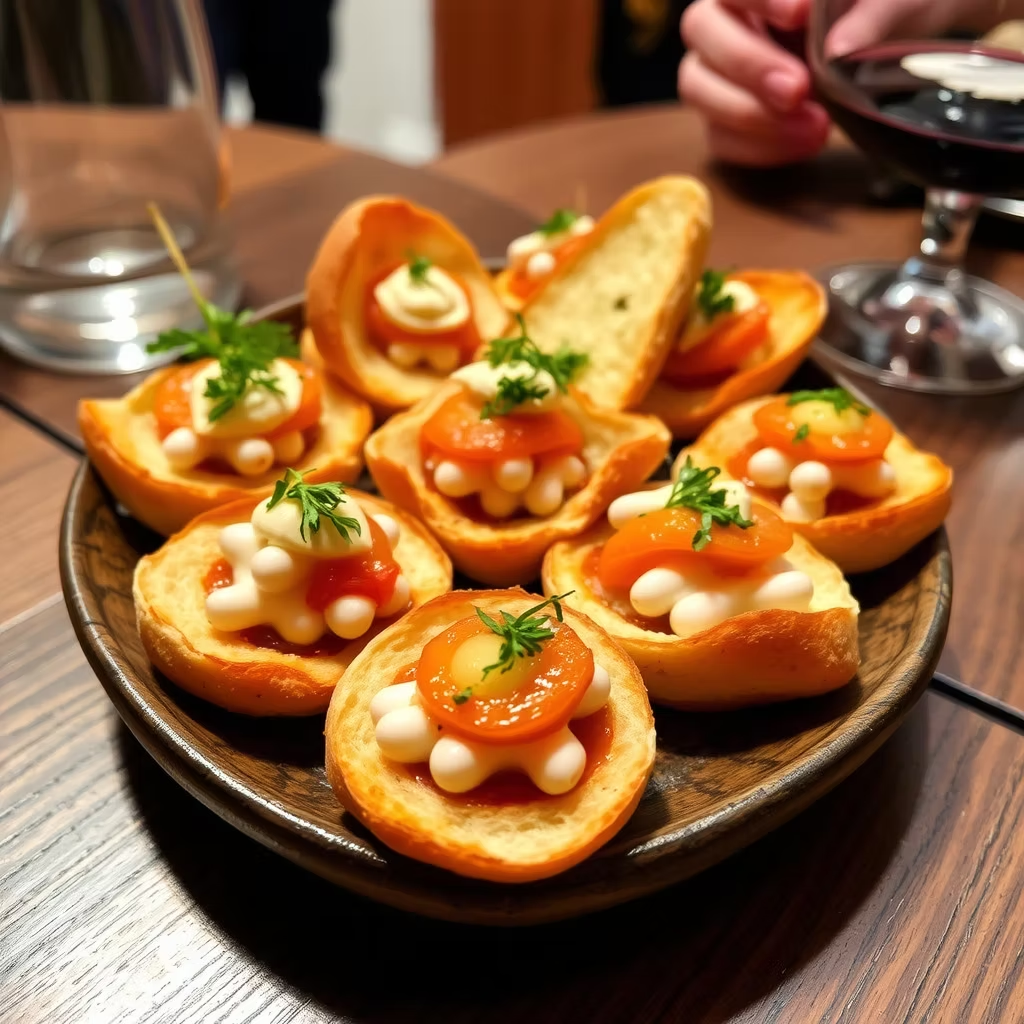
Pintxos Walks: Think Tapas but Better

Pintxos Walks: Think Tapas but Better

Pintxos Walks: Think Tapas but Better

How to master the art of the pintxos walk? Start in Bilbao’s Old Town, each representing a different layer of the city’s history and daily life. Look for classics like the Gilda (olive, anchovy, pepper), bacalao preparations, grilled meats or seafood, creative seasonal creations, and Basque cheesecake. Quality is consistently high—many bars treat each pintxo as a miniature work of craft. Pair with cider, Rioja Alavesa reds, or local beers, and let the evening unfold at a relaxed Basque pace.

Popular favorites include:

  • Grilled octopus
  • Jamón Ibérico
  • Garlic shrimp
  • Salt cod croquettes
  • Anchovies with roasted peppers
  • Basque cheesecake
  • Fresh seafood caught that very morning

Conclusion

Exploring Basque Country is best done slowly. A sample itinerary might start with a morning in Bilbao, at the Guggenheim Museum then followed by a day exploring the Old Town and area. On day two go to Basurto and its local nightlife. From there, take the metro to Plentzia for beach time on the bay, or head out for coastal drives and hikes along the Bay of Biscay.

However you choose to explore, you’ll find a corner of Europe with a character all its own—ancient language, proud traditions, and a lively independent spirit woven into everyday life. The region offers an inviting mix of old-world heritage and bold modern culture. We absolutely loved our time there and we think you will too! So ongi etorri—welcome!

Frequently Asked Questions

Euskadi is one of Spain’s 17 autonomous communities, made up of Biscay (Bizkaia), Gipuzkoa, and Álava, with Bilbao as its largest city and a strong political and cultural Basque identity.

Over 35 years of travel has taken me to cultures, history, and lots of adventures like the natural wonders of the Grand Canyon or the majestic, untamed beauty of Central Africa. I love sharing my experiences and the passion for travel with others! Will you join me?

Ready to plan
your next getaway?

Share your vision—we’ll take care of the rest.

Plan a Trip

Explore the world’s most
inspiring places

Explore the world’s most inspiring places

Expertly crafted itineraries, tailored around you.

See Destinations