Planning the Alta Via 1: What a Year of Research Taught Me (And Why I’d Pay for a Guide Next Time)

October 5, 2026
Dakota Poindexter
Article Author Dakota Poindexter
0:00|—:—

Summary

  • Alta Via 1 is the oldest and most iconic of the Dolomites' ten long-distance routes, a roughly 75 to 90 mile trek between mountain huts, so I carry a daypack and end every night with a hot meal and a real bed.
  • Booking the huts has been the hardest part. Most rifugios (mountain huts) open reservations months ahead for the following September, and two of my top picks, Lagazuoi and Averau, filled before my group was even finalized.
  • Bringing family along meant two itineraries, two sets of hut bookings, and a coordinated transit plan, while private rooms (about €40 extra per person, per night) and limited water and linens added even more planning wrinkles.
  • Doing it myself runs about €120 per person, per day, versus roughly €3,030 to €5,080 per person guided, but the guided price includes a guide, hotel nights, and every logistical piece I've spent a year untangling.
  • Even working in travel, I've hit wall after wall planning this trip, which is exactly why I'd pay for a guide next time and why I'm here to take that work off your plate.

Introduction

Long before anyone laced up trail runners for a week in the Dolomites, Alpine shepherds and Great War soldiers were already crossing these same jagged peaks. Italy’s Alta Via, meaning “high routes,” were stitched together in the 1960s and 70s from centuries-old shepherd paths, wartime mule tracks, and local mountain linkways.

Eventually these paths became ten numbered long-distance trails through the Dolomites. Alta Via 1 is the oldest and most iconic of the ten: a roughly 75 to 90 mile route running north to south, hopping between rifugios (mountain huts) instead of campsites. That’s the appeal of the whole system. You carry a daypack instead of a tent, and every night ends with a hot meal, a real bed, and someone else’s cooking. It sounded simple when I started planning my family’s trip for next September. It was not.

The Booking Shuffle – Limited Huts and Antiquated Reservation Systems

I assumed booking mountain huts would work like booking hotels: pick your dates, pay, done. Instead, most rifugios only open reservations between October and January for the following September, and a few don’t open until even later than that.

Two of our top picks, Rifugio Lagazuoi and Rifugio Averau, came back fully booked before we’d even confirmed our whole group, which meant rebuilding the entire middle section of our route around whatever huts still had beds. I now have a spreadsheet with more tabs than our trip has days, tracking who’s open, who’s still “probably opening in November,” and who I’ve emailed and am still waiting to hear back from.

At this point, I still don’t have any official place to sleep when I arrive, and I expect a scramble when rifugios open booking. 

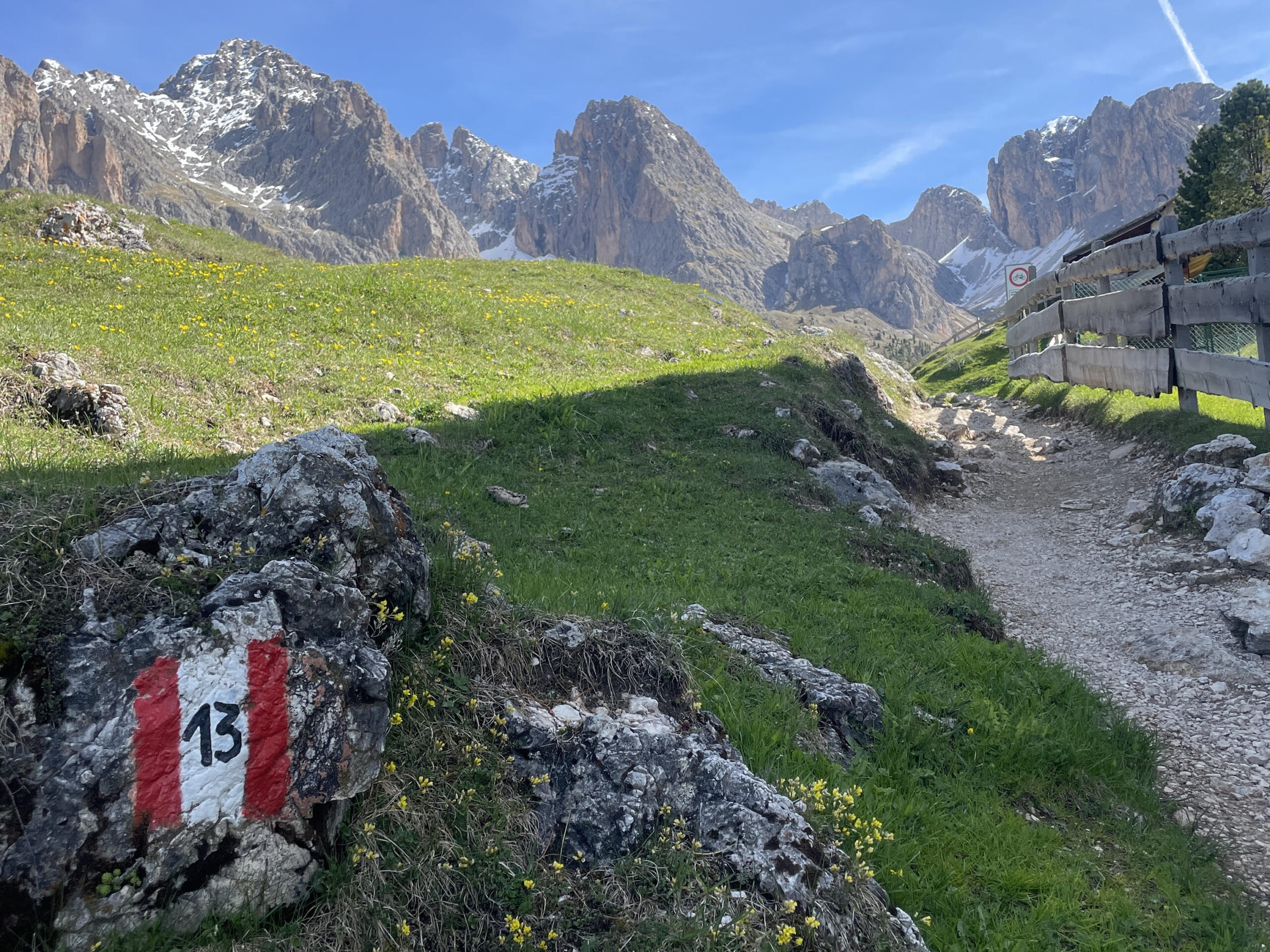
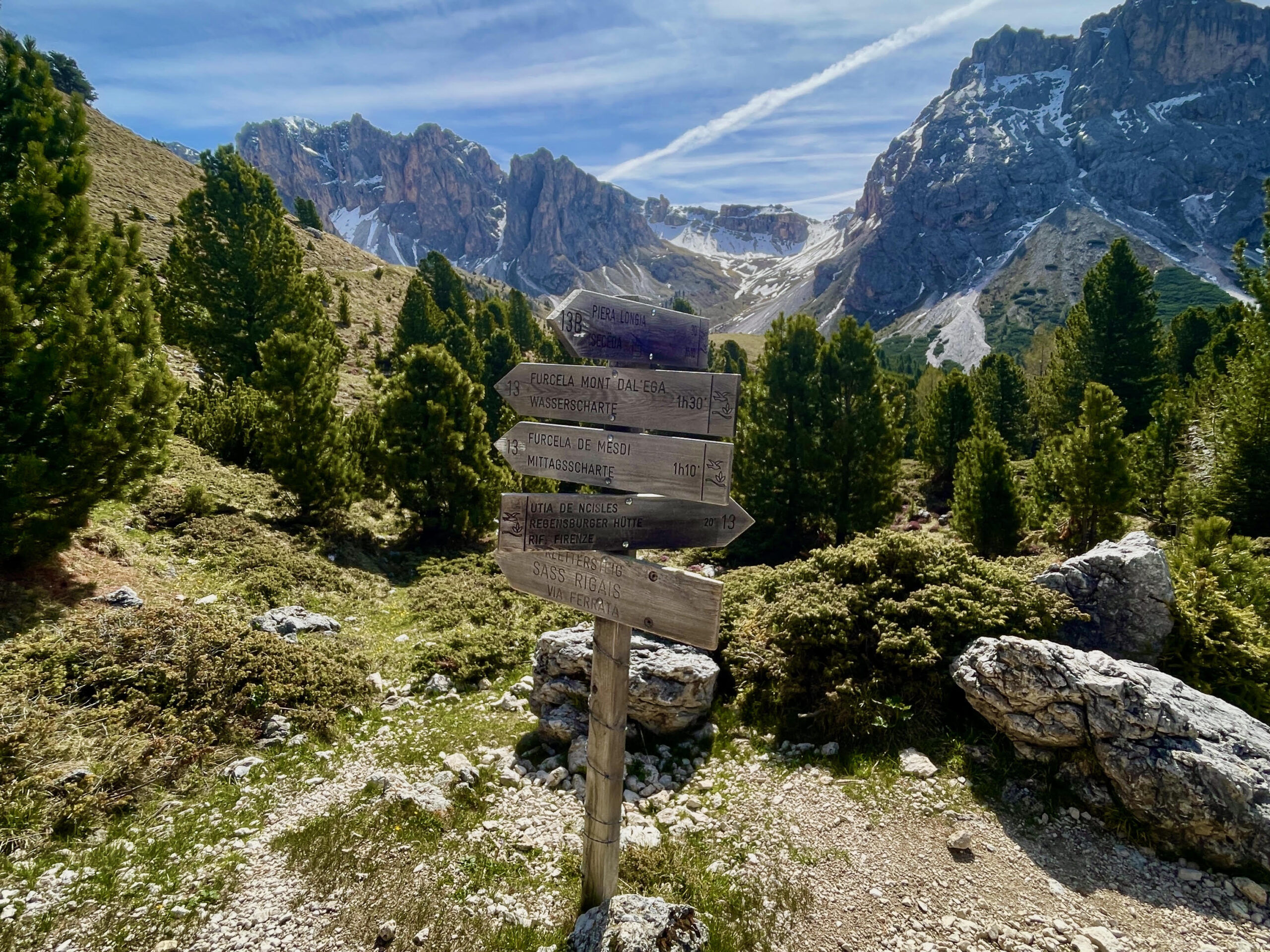
Alta Via Trail Marker

Alta Via Trail Marker

When You Invite Family – Outsource the Work

This isn’t just my trip, either. Two of us are doing the full Alta Via 1 route in a blistering 8 days. Four more family members are joining for a shorter stretch, flying in partway through, hiking a few days together, then heading back out a different way.

On paper that sounds like a nice compromise.

In practice it means two itineraries, two sets of hut bookings, and a transit plan that gets everyone in and out at the right pass, on the right day, without anyone standing at a bus stop in the Dolomites wondering where the rest of the family went. Hiking this trail alone is a logistical challenge, so when you add in a party of 5, you’ve created a real need for a travel agent and a guide. 

Private Room or Bust – The Price of Living in “Luxury”

Somewhere in my research I decided we were doing this trip private-room-only, no dorms. I don’t regret it, but it complicates everything. Most rifugios default to shared bunk rooms, and private rooms, where they exist at all, cost real money on top of an already real budget.

One Dolomites-based operator I found charges a flat €40 per person, per night, just for that upgrade. Some huts only have one or two private rooms total, which means booking early isn’t a suggestion, it’s the whole game. I have spent most of my life camping, which often means sleeping on the ground. My girlfriend and some of my family, however, will greatly appreciate the time I put in to give them the creature comforts of private rooms and the coveted private bathroom. 

The Water Problem

Here’s something no trail blog ever taught me: a lot of these huts are hauling their own water up the mountain, which means laundry is basically not happening. Some rifugios don’t provide bed linens at all, so you have to bring or buy a sleeping bag liner.

Some don’t provide towels, for the same reason. A few don’t have potable water, period, so you’re buying bottled water or filling up wherever you can find a real source. None of this was on a single packing list I found before I started digging through individual hut websites myself. What I found, was that the extra money you pay for a private room will often buy you fresh linens and towels. That still doesn’t solve the issue of how much you have to pay for enough water to hike to your next rifugio. 

Doing the Math – Is the Added Cost of a Tour Worth the Money?

Once I had real numbers, I ran the comparison I imagine most people planning this trip eventually run.

Doing it ourselves, we’re budgeting around €120 per person, per day, plus lodging before and after the trek. A real Dolomites-based tour operator quotes a fully guided version of the same trail starting around €5,080 per person for two travelers, dropping to roughly €3,030 per person for a group of six.

That’s a real gap on paper. It’s just not really apples to apples. That guided price includes an English-speaking guide, hotel nights in Cortina, and every piece of logistics I’ve spent the better part of a year untangling myself, plus zero risk of showing up to a hut that’s already sold out. Our trip doesn’t come with any of that built in.

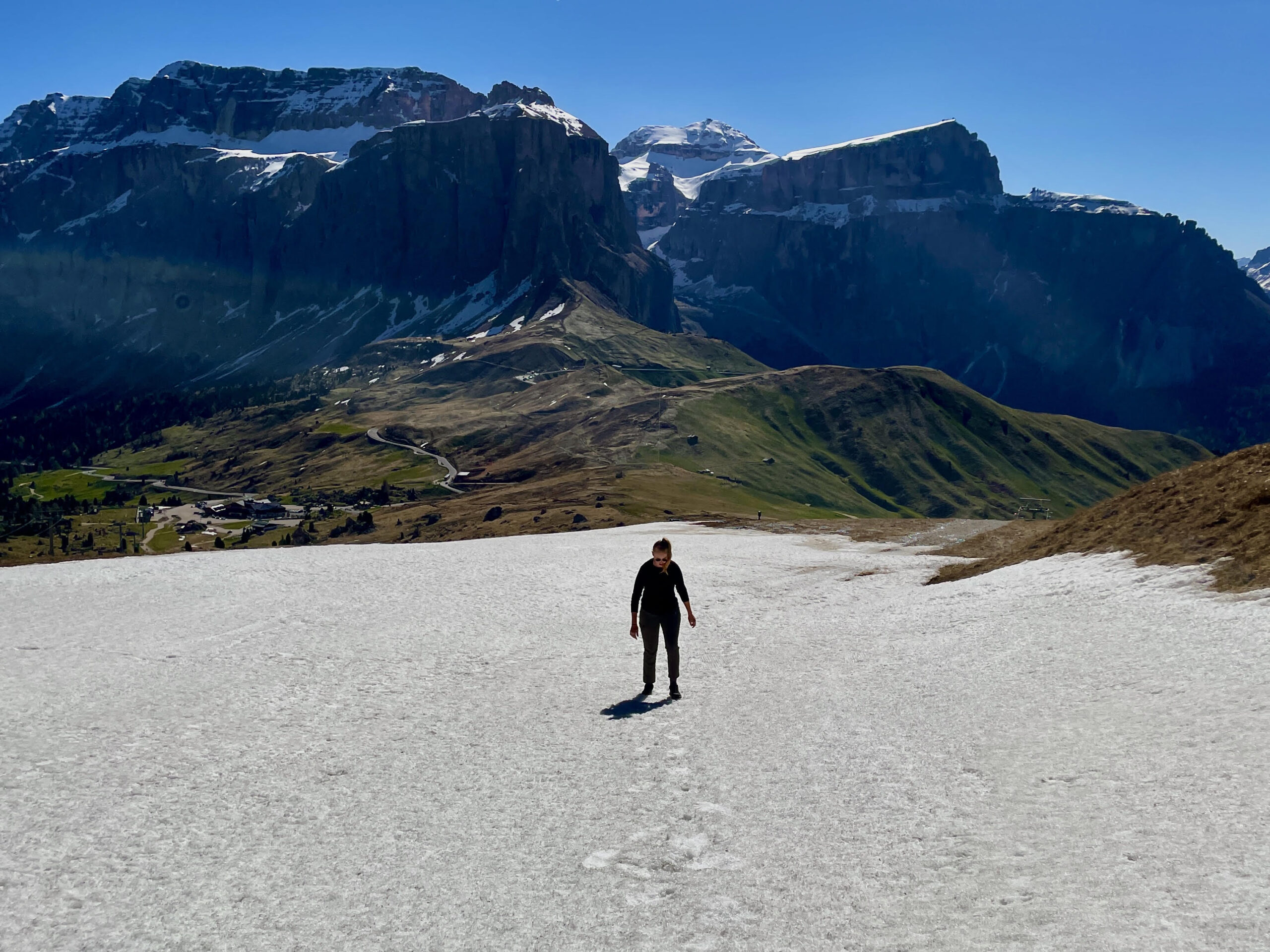
Alta Via 2 in June

Alta Via 2 in June

What I’d Pay For & Why

Here’s the honest version of a year of planning: I love this part of the job. I also work in travel, which means I had a head start most people planning their first Dolomites trip simply don’t have, and even then, I’ve hit walls more times than I can count.

Missed booking windows. Huts that never answered an email. A route I rebuilt twice after two different rifugios fell through. If I weren’t already in this industry, I don’t think I’d have attempted the planning side of this trip on my own. The research alone has taken the better part of a year, and I still won’t know for certain that everything holds together until we’re standing at a rifugio door with a confirmation in hand. That’s exactly the kind of thing a good guide, a good outfitter, and a good travel agent already knows before you ever book a flight.

If you’re dreaming about a hut-to-hut trek through the Dolomites, and a year spent buried in hut-booking spreadsheets sounds like the opposite of a vacation, that’s what I am here for. I specialize in planning and booking Italian adventures like this one, Alta Via included.

Alta Via Trail Sign

Alta Via Trail Sign

Conclusion

A year into this, here’s where I’ve landed: the Alta Via 1 is still one of the most beautiful things I’ll ever get to do with my family, and everything I’ve learned trying to plan it myself has only made me appreciate how much work goes into making a trip like this look effortless. The huts, the history, the water hauled up a mountain by hand so someone can hand you a plate of pasta at 7pm, all of it is part of what makes this trail worth doing in the first place. I just don’t think anyone should have to become an amateur travel agent to enjoy it.

Frequently Asked Questions

The full route typically runs 8 to 11 days depending on how you split the stages and which alternate huts you pick. We’re doing ours in 8 days, with one built-in rest day before flying home.

I specialize in curating unforgettable travel experiences in some of the world’s most captivating destinations - North Carolina, Thailand, Italy, Belize, Costa Rica, Glacier and Waterton Lakes National Parks, Alaska, and Charleston, SC. My passion lies in helping travelers uncover the heart of each place, whether it’s hiking through the glaciers of Alaska, wandering Tuscan hill towns, relaxing on a beach in Belize, or exploring the charm of Charleston’s historic streets. I combine cultural insight, local connections, and seamless logistics to design journeys that balance adventure, comfort, and authenticity.

Whether you're looking for a cozy cabin in the Blue Ridge Mountains, a luxury eco-lodge in Costa Rica, or a tailor-made itinerary through Thailand, I handle every detail so you can travel with confidence and ease. I’m here to turn your travel dreams into lasting memories - crafted with care, personalized to you, and rooted in a deep love for these incredible destinations.

Ready to plan
your next getaway?

Share your vision—we’ll take care of the rest.

Plan a Trip

Explore the world’s most
inspiring places

Explore the world’s most inspiring places

Expertly crafted itineraries, tailored around you.

See Destinations