How Carlisle grew from a single office into the agency it is today.
Read our storyWhat we believe great travel should feel like — and how we deliver it.
Our missionGrow your travel business with the support of Carlisle behind you.
Join our teamHoneymoons, family trips and once-in-a-lifetime escapes, planned end to end.
Explore leisureLogistics for touring artists, film and TV productions, and live events.
Explore entertainmentManaged business travel with booking tools and round-the-clock support.
Explore corporateReward trips and group programmes that motivate teams.
Explore incentiveStories, guides and tips from our advisors around the world.
Search advisors by destination, specialty or name — and get a personal recommendation.

From coast-to-coast road trips to Caribbean islands.
Explore North AmericaAndean peaks, Patagonian ice and Amazon rainforest.
Explore South America
Tashkent, Uzbekestan
Uzbekistan has long been a multi-ethnic crossroads shaped by the Silk Road, Turkic, Iranian, nomadic, and Soviet influences, with more than 130 ethnic groups—including Tajiks, Russians, Kazakhs, and Koreans—living alongside an Uzbek majority of roughly 84%. Since the fall of communism, the state has promoted this coexistence through cultural programs and institutions that celebrate the country’s colorful heritage. It must be working. Recent growth in tourism, international art events, and contemporary museums is making the country more globally connected and prosperous. And an extraordinary place to explore starting with its capital, Tashkent.
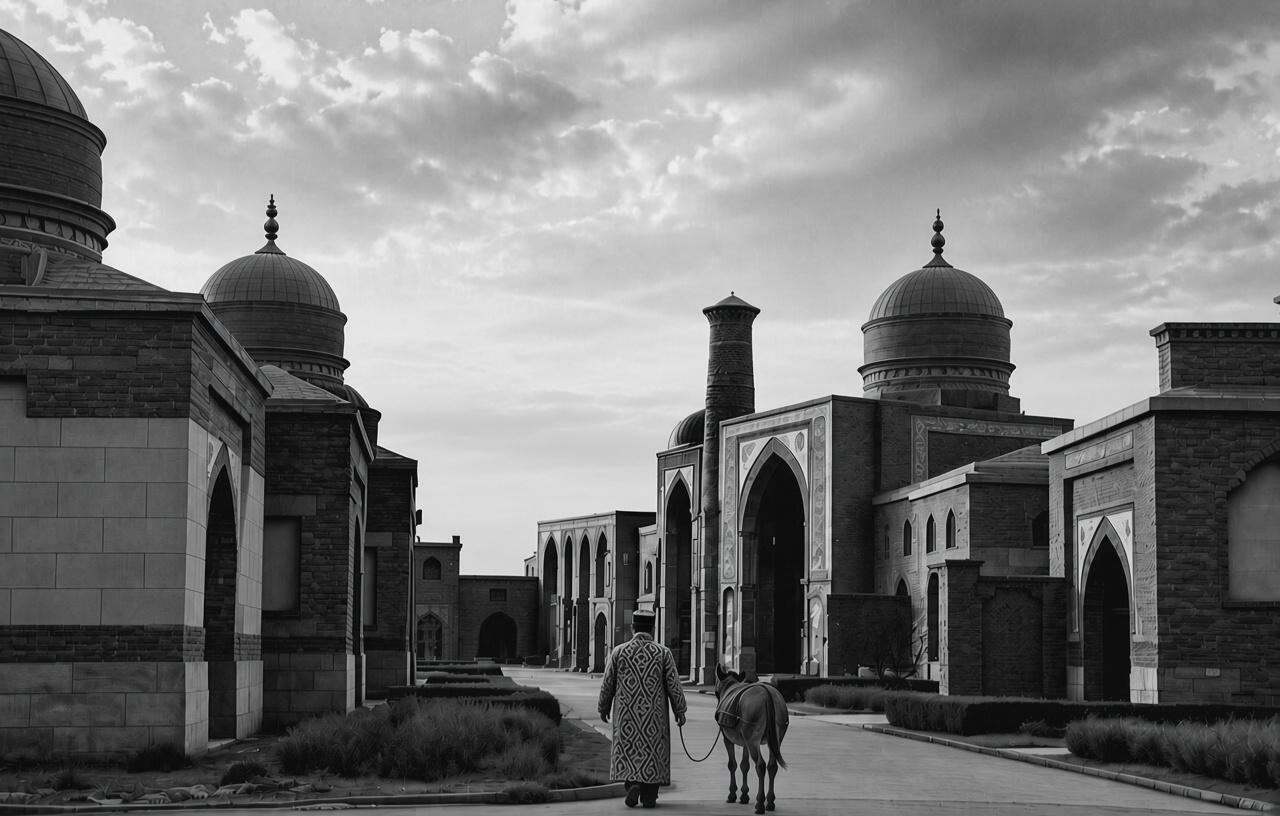
Tashkent, Uzbekistan
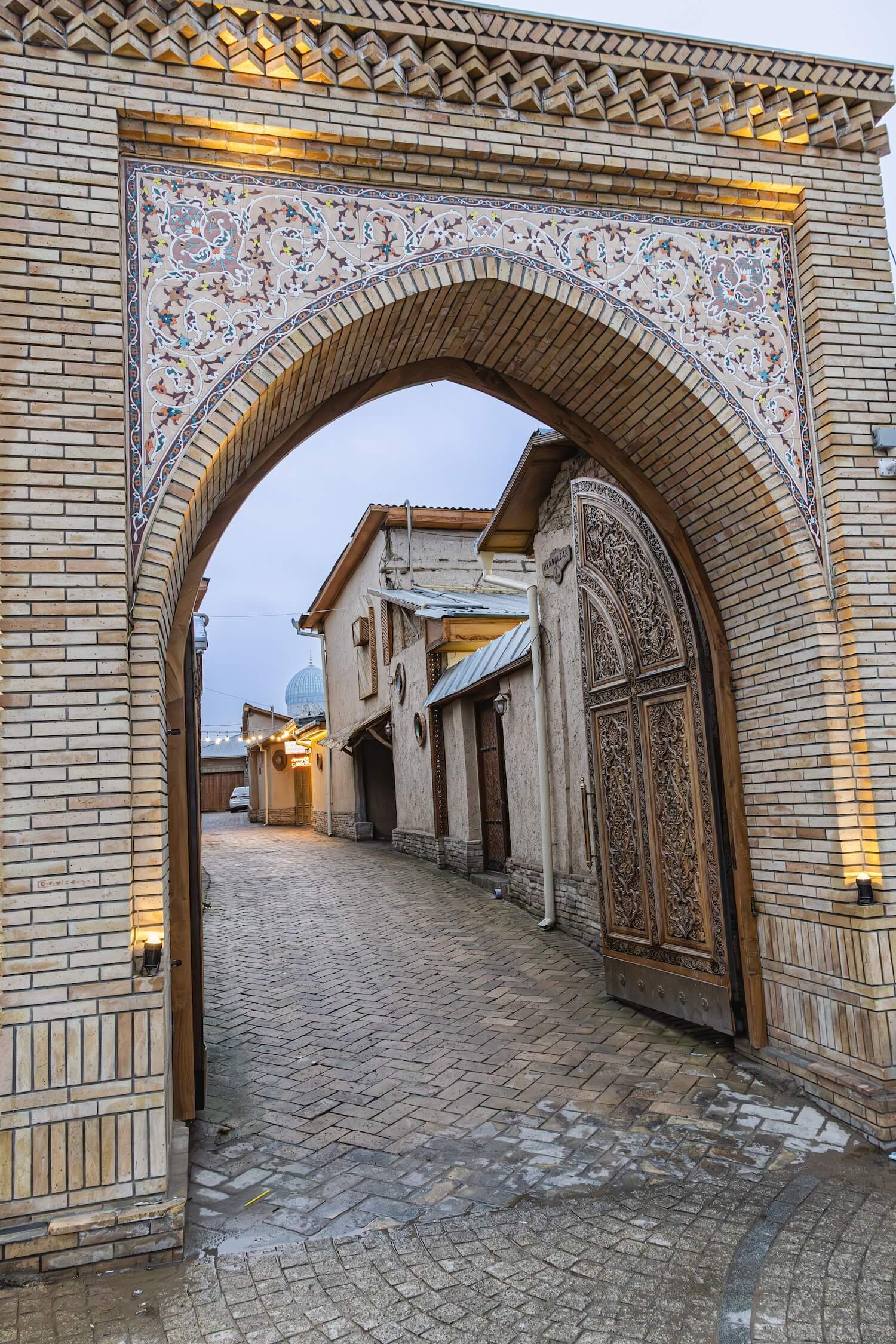
Tashkent offers travelers an exotic blend of history, culture, and modern life as well as a gateway to this “Silk Road.” Tucked far from Asia’s more traveled routes, Tashkent captivates adventurers with its picturesque charm and those seeking off-the-beaten-path experiences.
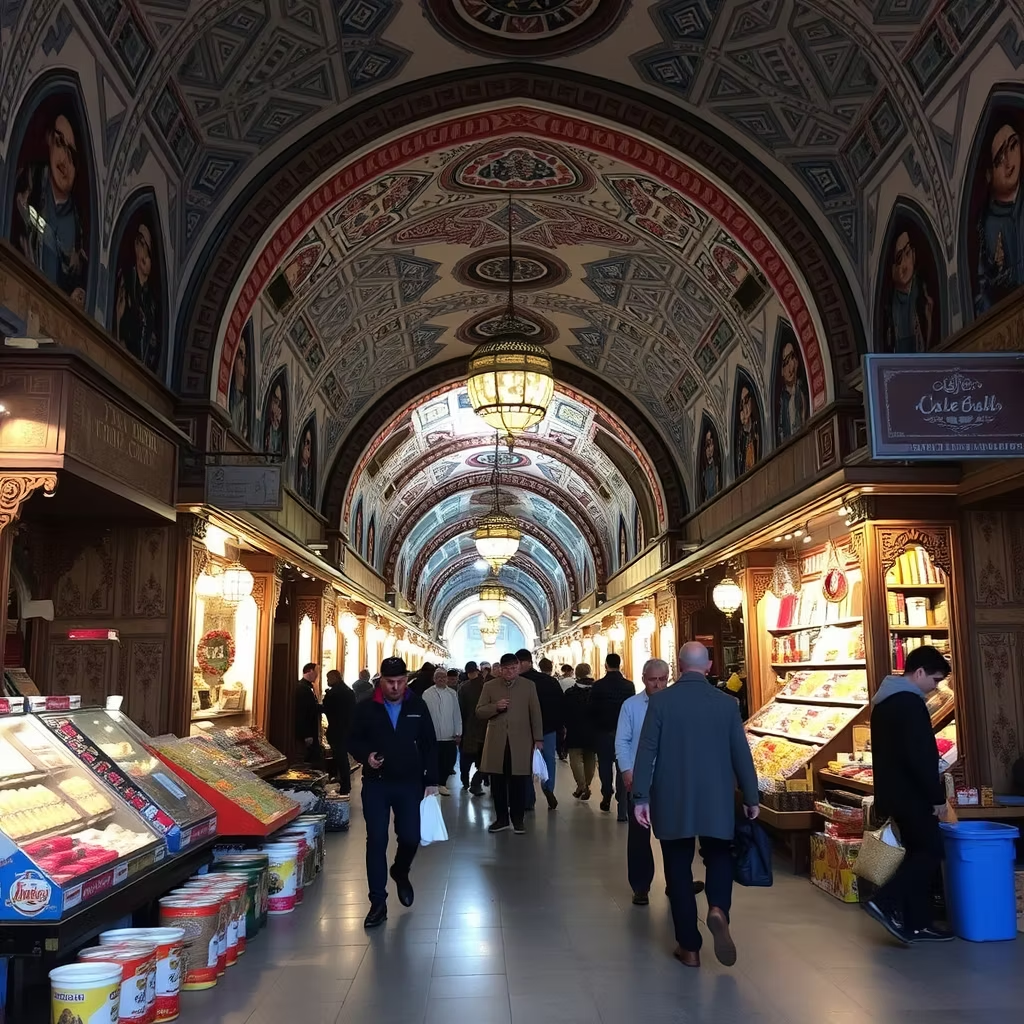
One of the most vivid places to enjoy Uzbekistan’s multicultural heritage is in Tashkents’ Chorsu Bazaar — a lively, traditional market where locals sell a cacophony of smells, sounds and sights: Artisans’ intricate ceramics, handwoven silk, carved wooden boxes, embroidered textiles, Samovars, ceremonial Pichoks and seemingly endless stalls filled with produce, spices, and vibrant chilmars. The scene seems to blend everyday city life with the vibrant, romantic spirit of the nearby Tian Shian mountains.
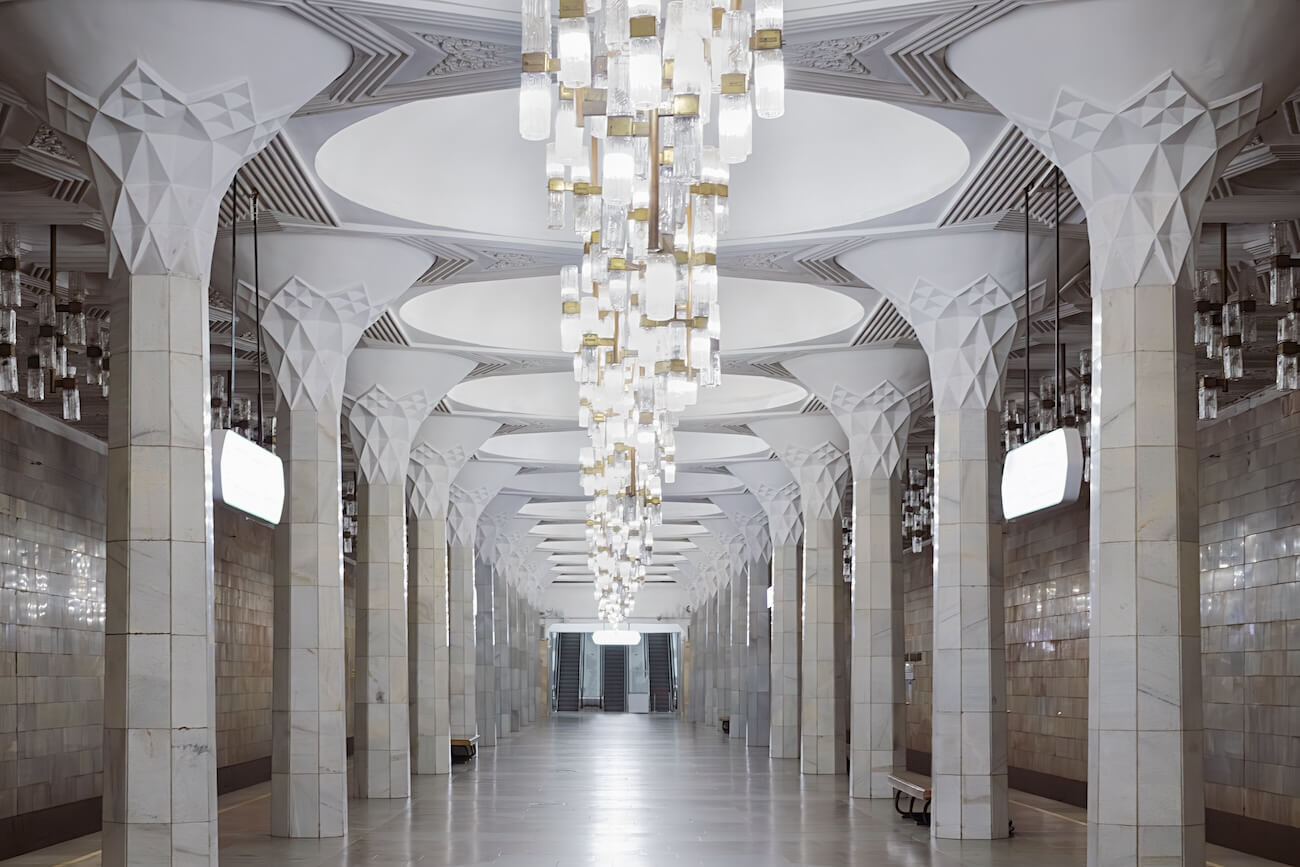
And perhaps the best ways to explore Tashkent’s after a day in the market is through its metro system. The subway in particular combines transportation with examples of Soviet-era contemporary and grand designs similar to stations in Moscow and St. Petersburg. Many feature marble finishes, mosaics, and geometric details, while updated stations reflect the city’s ongoing move away from the Soviet era. It’s an affordable, enjoyable way to travel around Tashkent.
The Chorsu Bazaar
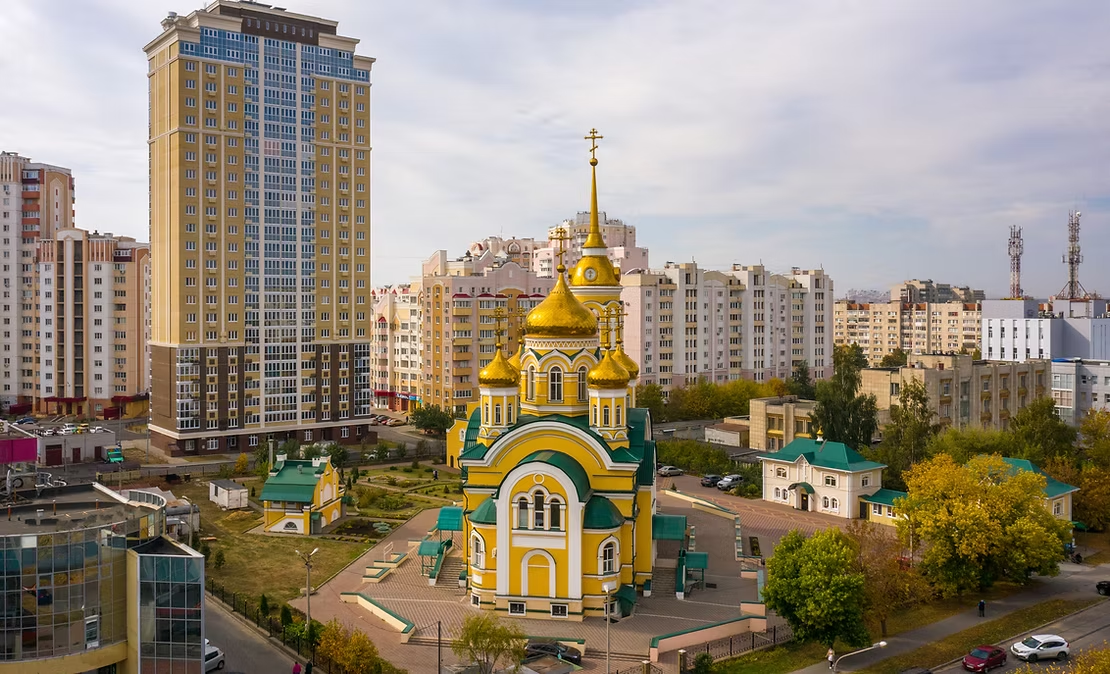
Soviet era Cathedral of the Assumption of the Virgin Mary central Tashkent
Still, Tashkent is not only about shopping; it combines history and modernity with wide avenues, parks, and wonderful cultural venues. The Khast Imam Complex offers a glimpse into Uzbekistan’s cultural background that has shaped the region for centuries. Amir Timur Square stands as a symbol of national pride, featuring a statue of the famed conqueror surrounded by fountains and gardens. This area is a popular meeting spot for locals and tourists.
The State Museum of History of Uzbekistan showcases artifacts from ancient times through the Soviet era. Visitors can see archaeological finds, traditional costumes, and historical documents that tell the story of the region’s development.
Art lovers should not miss the Fine Arts Museum, which houses a collection of Uzbek paintings, sculptures, and applied arts. The museum highlights both classical and contemporary artists, offering a broad perspective on the country’s creative expression.
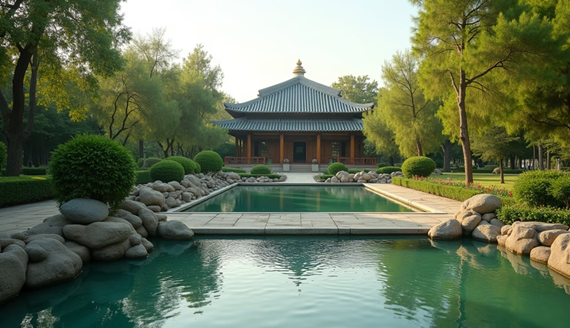
For a break from the urban environment, the Japanese Garden offers a serene escape. This well-maintained park features traditional Japanese landscaping, koi ponds, and quiet walking paths. It’s an ideal spot to relax and reflect after a day of sightseeing. The gardens are ironic as Seattle, Washington is sister city to Tashkent.
Tashkent, Seattle’s sister city, and its traditional Japanese gardens
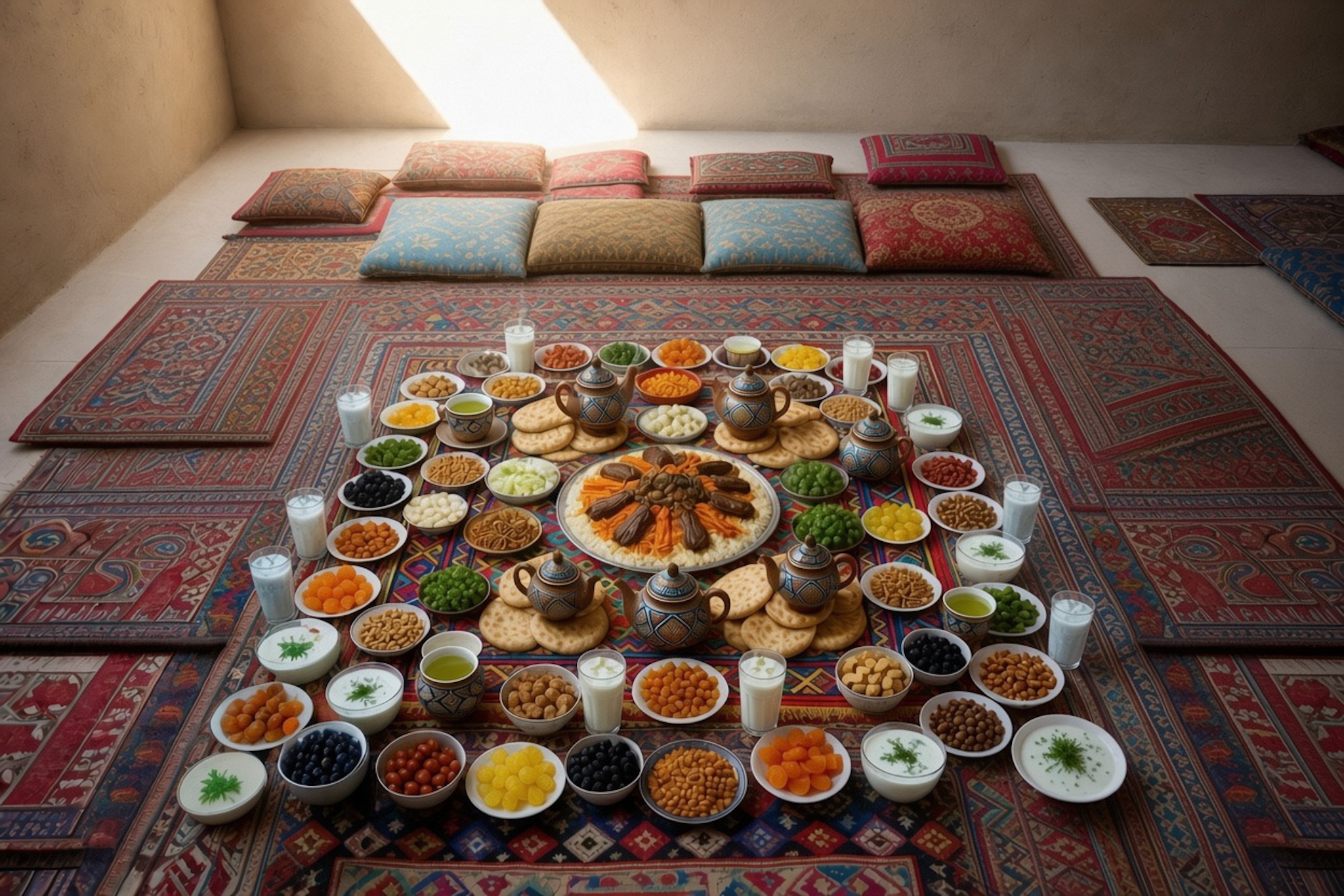
What’s a Dastarkhan?
At the center sits plov, the national dish — rice cooked with lamb or beef, yellow carrots, onions, garlic, chickpeas, and cumin, served on a wide lyagan.
Around it, you’ll find:
It’s generous, colorful, and meant to be shared. Tourists can experience a traditional floor‑cushion setup, by joining a local family:
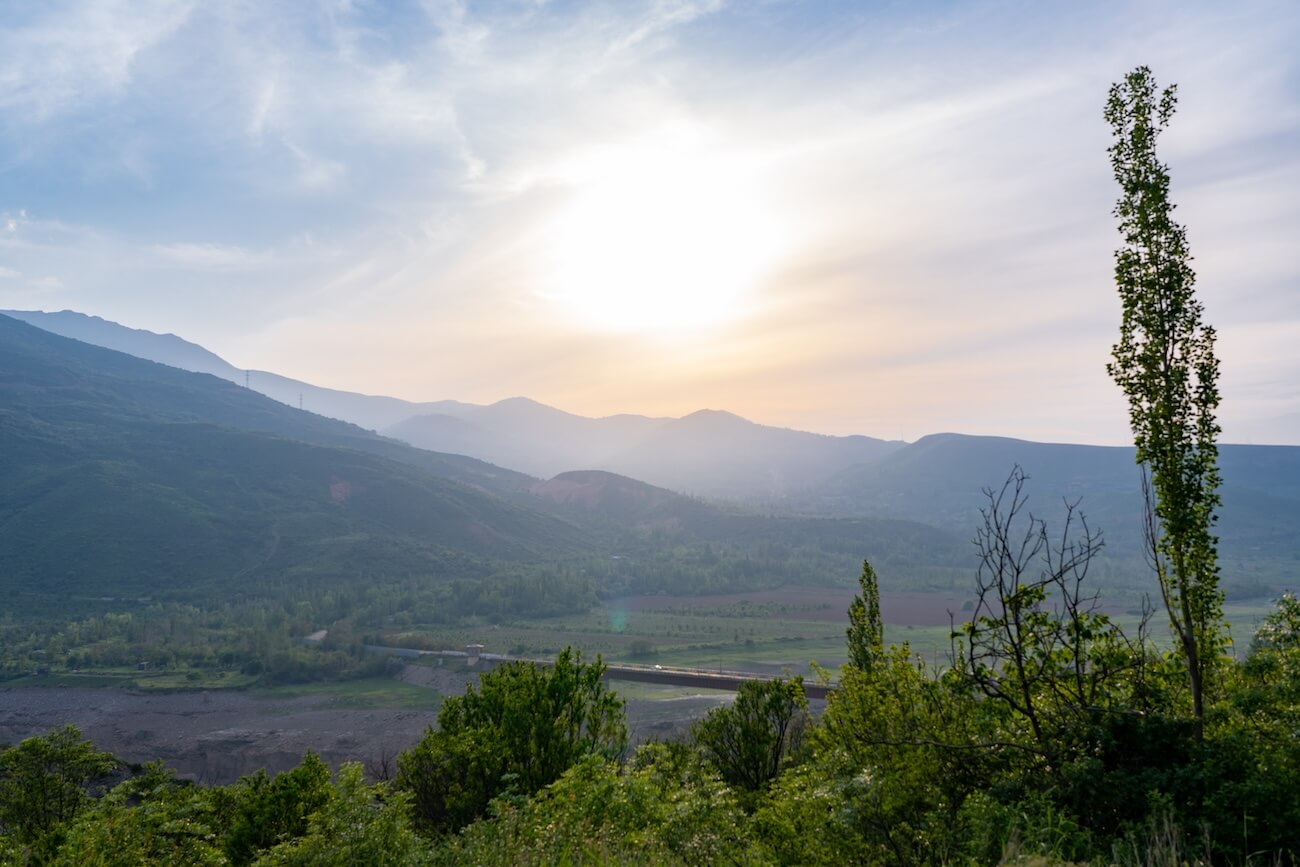
Tashkent makes an ideal strategic starting point for travelers exploring Central Asia. Its international airport and well‑developed transport links allow visitors to easily pair urban discovery with natural and historical excursions. From here, the legendary Silk Road cities of Samarkand, Bukhara, and Khiva—renowned for their dazzling architecture and deep cultural heritage—are within reach. The ancient city of Shakhrisabz is accessible as a day trip, where monumental ruins and Timurid‑era architecture connect travelers to the broader story of Uzbekistan’s imperial past. Just outside the capital, the Chimgan Mountains offer a refreshing escape, with hiking, horseback riding, and winter skiing across the western edge of the Tien Shan range, a region celebrated for its crisp air and sweeping alpine views.
Far to the west lies Nukus, the capital of Karakalpakstan and one of Uzbekistan’s most intriguing cultural outposts. Located near the border with Kazakhstan and surrounded by stark desert landscapes, Nukus is best known for the world‑famous Savitsky Museum, which houses one of the largest collections of Soviet avant‑garde art—much of it still preserved when it was banned elsewhere. About 15–25 km west of the city sits Khodjeyli, a small town that serves as the gateway to the ancient Mizdakhkan necropolis. This archaeological complex reveals layers of ancient Persia through its brick mausoleums, domes, arches, and fortress ruins. Set against the flat steppe of Karakalpakstan, the Mizdakhkan landscape is stark, atmospheric, and one of western Uzbekistan’s most compelling historical sites.
Spring (March–May) and autumn (September–November) offer the most pleasant weather for exploring cities and markets. Summers can reach 35–40°C, while winters are cold but manageable.
Expertly crafted itineraries, tailored around you.
See Destinations