Indonesia
8 years of experience

Amanda Pointer

Minneapolis, MN Travel Agent

(19 reviews)
I specialize in designing custom travel itineraries for couples planning honeymoons, milestone celebrations, and bucket list adventures. After eight years of full-time travel across six continents and 50+ countries (17 of which I've lived in for a month or more), I bring real, firsthand destination knowledge to every trip I plan. My background is in travel journalism, and I spent seven years working behind the scenes for a travel blog before launching my own itinerary planning business. I design trips that pair adventure with comfort: think a morning hike followed by an afternoon Spritz on a rooftop. I have deep first-hand experience in South Africa, Italy, Turkey, Portugal, Spain, Mexico, and Southeast Asia, and I have strong experience planning safaris, road trips through national parks, and multi-city European itineraries. Whether you have a dream trip in mind or just a vague idea of where you want to go, I can turn it into a detailed, day-by-day plan you'll never forget.

Specializations

Peru Travel Agent Advisor

I've been to Peru twice, most recently for two months, splitting my time living between Lima and Cusco. That kind of extended stay...

Mauritius Travel Agent Specialist

I spent a full month exploring Mauritius with a friend of mine and it remains one of the more unique island escapes I've experienc...

Namibia Travel Agent Specialist

Namibia is unlike anywhere else I've traveled, and I mean that as someone who has been to over fifty countries. It's got so much d...

Bali Travel Agent Specialist

I’ve been to Bali three times and spent nearly five months on the island in total, most of it living and working as a digital noma...

Thailand Travel Agent Specialist

I spent 6 months living in Thailand back in 2020 (a privilege granted to me by the happenstance of COVID) and got to know certain...

Australia Travel Agent Specialist

I spent a month in Australia, splitting most of my time between Sydney and a week based in Airlie Beach to explore the Great Barri...

New Zealand Travel Agent Expert

I spent years researching and writing New Zealand content for a major travel blog, and I've planned multiple client trips to both...

Japan Travel Agent Advisor

Japan is the destination I’ve researched and planned more than any other. I spent years as a Content Director for a major travel b...

Turkey Travel Agent Expert

I've been to Turkey five times, adding up to over two months on the ground, and every visit is anchored by something most traveler...

Morocco Travel Agent Professional

I spent six weeks traveling through Morocco, and it remains one of the most disorienting, rewarding trips I've ever taken. It's a...

Italy Travel Agent Specialist

I've been to Italy six times, and I've stopped counting the months at 6+ because I lost track somewhere around my first extended s...

Jordan Travel Agent Specialist

Jordan surprised me more than almost any country I've visited, and I mean that as someone who's covered a lot of ground. It's a pl...

Mexico Travel Advisor Specialist

Mexico is the country I know best, outside of the US. I've lived in Playa del Carmen for over two years combined, spent four month...

Ireland Travel Agent Specialist

What struck me most about Ireland wasn't the scenery, though it definitely delivers, it was  just how much better this country get...

South Africa Travel Agent Professional

Whenever someone asks me my favorite destination in the world, my answer is always the same: South Africa. Cape Town is the only c...

Iceland Travel Agent Professional

Iceland is a country I've planned a lot of trips for. While I’ve only visited once myself, I've sent friends and clients off on th...

Tanzania Safari Travel Agent Specialist

After months of research before my first Tanzania safari, I came away with one conclusion I tell every client: this is not a trip...

Scotland Travel Agent Specialist

I spent two weeks road-tripping through Scotland, and it remains one of my favorite trips I've ever taken. Beyond that firsthand e...

Portugal Travel Agent Specialist

Portugal is one of my favorite countries in Europe, and after four visits and months spent living in Lisbon, it's a place I know a...

Croatia Travel Agent Specialist

Croatia is one of my favorite countries to recommend to first-time European travelers, and I call it a "soft landing" for a reason...

Peru Travel Agent Advisor

I've been to Peru twice, most recently for two months, splitting my time living between Lima and Cusco. That kind of extended stay changes how you understand a country, and it's exactly what I bring to every Peru itinerary I build: real, lived familiarity rather than a quick tourist pass.

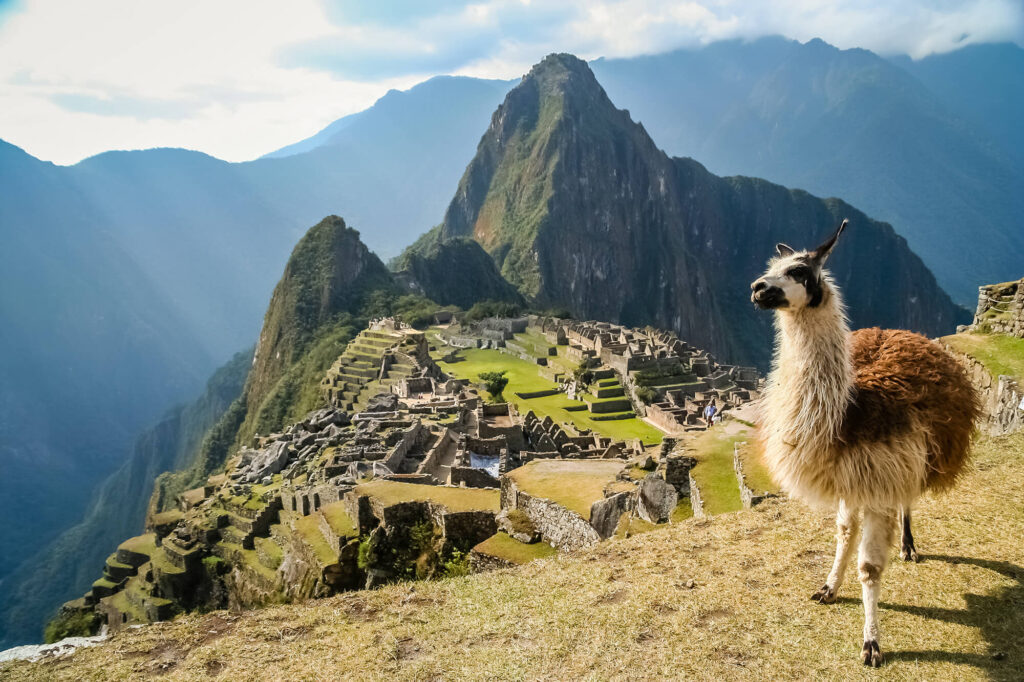
The Inca Trail to Machu Picchu is the centerpiece of most Peru trips, and I hiked the classic 4-day route myself. It's one of the most incredible things I've ever done, and also genuinely difficult; Day 2, which climbs to Dead Woman's Pass at over 13,000 feet, is no joke, and I have enormous respect for the porters who carry packs four times the size of mine and make it look effortless. Watching the fog lift off Machu Picchu after that final early morning push to the Sun Gate is a moment I still think about. 

I help clients understand upfront that this trek requires booking months in advance due to strict daily permit limits, and I only recommend operators who treat their porters and guides fairly, since that affects both the experience and the ethics of the trip.

Cusco itself deserves more time than most people give it. I always build in at least a few days there before any trek, both to acclimatize to the altitude and to actually explore the city: its colonial architecture, its food scene, and its role as the gateway to everything else in the region. 

From Cusco, I road-tripped through the Sacred Valley, which I consider essential to any Peru itinerary; the Inca ruins, weaving villages, and mountain scenery there are worth several days on their own, not just a rushed day trip.

I also hiked Palccoyo, one of Peru's rainbow mountain routes, and it's an incredible add-on for travelers who want the surreal, striped mountain scenery without the crowds and altitude extremes of the more famous Vinicunca route. 

On the opposite end of the landscape spectrum, I took a dune buggy ride and went sandboarding in Huacachina, a surreal desert oasis town that most travelers don't expect to find in Peru, and did a boat trip around the Paracas coastline to see the wildlife-rich Ballestas Islands, sometimes called the "poor man's Galápagos."

Lima rounds out a well-built Peru itinerary, and I spent real time living there getting to know its neighborhoods and food scene, which is genuinely some of the best in South America. It's an excellent bookend to a trip, whether at the start to acclimate before heading into the Andes or at the end to unwind with world-class dining before flying home.

Peru's hiking is world class, and I'm not done exploring it myself. On my next trip, I'm planning to tackle one of the epic multi-day treks near Huaraz in the Cordillera Blanca, one of the most dramatic mountain ranges in South America and still relatively under-the-radar compared to Cusco and the Sacred Valley.

For travelers who want something beyond the classic Andes and coast itinerary, Peru also has incredible bucket-list-level experiences worth building into a trip: the Belmond Andean Explorer or Hiram Bingham scenic train journeys, which turn transportation itself into a luxury experience. And multi-day Amazon river cruises deep into the rainforest for a completely different side of the country's biodiversity. 

Between the mountains, the desert, the coast, and the jungle, Peru offers more range than most travelers expect, and I'd love to help you build a trip that captures it.

Mauritius Travel Agent Specialist

I spent a full month exploring Mauritius with a friend of mine and it remains one of the more unique island escapes I've experienced. We rented a private villa in Flic en Flac as our home base and had a car for the entire stay to explore the whole island, which gave me a much fuller picture of what this country actually offers beyond the postcard beaches.

The south of the island won us over completely. Le Morne Public Beach, in particular, is a standout: crystal-clear water, powder-white sand, and the dramatic backdrop of Le Morne Brabant rising directly behind it. We hiked Le Morne Brabant ourselves, and found that it's a surprisingly tough climb, deceptively casual at the base before turning into a steep rock scramble near the summit. 

For something more accessible, Le Pouce is a great alternative with far less commitment and still rewarding views. Beyond the hikes, we spent time at Chamarel Waterfall, hiked through Black River Gorges National Park, and saw the Chamarel Seven Colored Earths, one of the island's stranger and more photogenic natural sites.

Catamaran cruises and sunset after sunset from the west coast rounded out what became one of my favorite months of travel.

Where you base yourself matters a lot here, since the island's coasts each have a distinctly different personality. The north, around Grand Baie, Trou aux Biches, and Pereybere, is the most convenient option for first-timers: lively, walkable without a car for at least the first stretch, with swim-safe lagoons, good nightlife, and easy access to catamaran tours. 

The west coast, where I stayed, centers around Flic en Flac and Tamarin; it's laid-back, sunny, and a great central base for day trips inland to Black River Gorges or south toward Le Morne, with calm, shallow water that's ideal for families. 

The south and southwest, anchored by Le Morne and Bel Ombre, is wilder and more dramatic, home to the island's most upscale resorts, its best kitesurfing, and rougher, windier seas; a rental car is essential out here since everything is spread out. 

The east coast, around Belle Mare, Palmar, and Trou d'Eau Douce, is the quietest and most exclusive option, known for some of the island's longest white-sand beaches and turquoise lagoons, ideal for honeymooners and golfers who want a peaceful, resort-based stay, though it sits farther from island-wide sightseeing and nightlife.

One base I'd steer almost everyone away from is Port Louis. It's a working port city with no real beaches, and while it's worth a stop to explore, I wouldn't recommend it as a home base for a leisure trip. 

Mauritius isn't a place where you stumble into great food everywhere you turn; it takes some knowledge of where to look, but the hidden gems are absolutely worth tracking down, and it's exactly the kind of local insight I build into a client's itinerary so they're not left guessing.

The island itself is small enough to drive corner to corner in a day, but renting a car is essential if you actually want to see it, unless your plan is to stay put at a single resort for the whole trip.

Beyond what I did firsthand, Mauritius has plenty more to offer depending on what a client is after: kitesurfing at Le Morne, a tour through Port Louis for culture and markets, and rum tastings, since Mauritius has a genuine rum-producing tradition worth exploring. 

Between the beaches, the hiking, and the sheer range of terrain packed onto one island, Mauritius is a destination I'd recommend to almost any traveler looking for something a little different from the typical island getaway, and I'd love to help plan that trip.

Namibia Travel Agent Specialist

Namibia is unlike anywhere else I've traveled, and I mean that as someone who has been to over fifty countries. It's got so much diversity packed into one country: towering red dunes, dramatic coastline, wildlife-dense savanna, and eerie ghost towns, all within driving distance of each other. It also caught me off guard in the best way. As a former German colony, Namibia's cities and towns have a surprisingly clean, orderly, almost European feel that most travelers don't expect walking in.

Windhoek makes the most sense as your entry and exit point, since most international flights route through there, but I wouldn't build a trip around the city itself. The real Namibia is out in the landscape, and I always tell clients to get out of Windhoek quickly and into the country's more remote, dramatic scenery.

I based myself in Swakopmund, a genuinely charming coastal town that makes the perfect launchpad for exploring the surrounding dunes and coastline. From there, I did a 4x4 dune adventure that remains, to this day, one of the best travel experiences of my life. Barreling over the massive dunes outside town, with the Atlantic on one side and the desert stretching endlessly on the other, is something I still think about regularly. I also took a boat tour out of Walvis Bay, cruising past seal colonies and out toward the wetlands, one of the most underrated wildlife experiences in the country and a completely different kind of Namibia than the dunes.

Sossusvlei and Deadvlei are the images most people associate with Namibia before they've even been, the towering orange dunes and the skeletal, centuries-old trees standing in a white clay pan, and it's easy to see why photographers flock there specifically for those landscapes. 

Etosha National Park is where I'd send clients who want a safari experience without the guide-required logistics of somewhere like Tanzania or Botswana; Etosha is set up for a proper self-drive safari, which makes it a great option for travelers who want more independence on their trip. 

The Skeleton Coast, with its fog-shrouded shipwrecks and stretches of empty coastline, and the country's scattered ghost towns are two more places I'd point photographers and history-minded travelers toward, both offer a hauntingly different side of Namibia than the dunes or the wildlife.

Most people are surprised to learn thatFish River Canyon is one of the largest canyons in the world, and it's a destination I'd build into an itinerary for travelers who want to hike or simply take in the scale of it from the observation points above.

Namibia is also home to some of the most striking luxury lodges I've come across anywhere in Africa, and it's a big part of why I love building trips here. Properties tucked into the dunes near Sossusvlei let guests wake up and step directly onto the sand before sunrise, while lodges along the Skeleton Coast and in Damaraland put guests in some of the most remote, untouched wilderness on the continent, often with glass-walled rooms or private plunge pools looking out over landscape that barely feels real. For clients who want their accommodation to be as much a part of the experience as the landscape itself, Namibia delivers in a way that's hard to match.

Namibia is also an excellent country for adventure travel more broadly. Between hot air ballooning over the dunes, sandboarding, and other adrenaline-driven activities, there's a lot to build into a trip for travelers who want more than scenery.

It's also one of the best road trip countries in Southern Africa: renting a vehicle with a rooftop tent and exploring the country's remote corners is a fantastic way to experience it. That said, this is a country where planning really matters. Dispersed camping is largely illegal outside designated sites, and there are long stretches of road, sometimes hours at a time, with no cell service or services of any kind. It's not a place to wing logistics, and it's exactly the kind of trip I love building for clients who want the adventure without the guesswork.

If a trip built around dramatic landscapes, wildlife, and genuine adventure sounds like what you're after, Namibia might be exactly the country I'd recommend, and I'd love to help you plan it.

Bali Travel Agent Specialist

I’ve been to Bali three times and spent nearly five months on the island in total, most of it living and working as a digital nomad in Canggu. That means I know Bali the way residents do: which cafes have the best wifi and coffee, how to get around on a rented motorbike, which roads to avoid at rush hour, and which of the famous spots are worth the traffic. 

Whether you want a beach vacation, a diving adventure,  a deeper dive into Balinese culture, or all of the above, I know where to send you.

Canggu was my home base, and it’s still my favorite place to recommend for travelers who want surf, cafes, yoga and a good social scene. It has grown and changed a lot over the years (especially since I first visited in 2017), so I help clients pick the right pocket and the right season. 

For nightlife, Old Man’s and Sand Bar are the casual surf-town classics, while FINNS Beach Club, The Lawn and La Brisa are some of the classics for a more polished day out. 

Seminyak, just down the coast, is the nightlife hot spot, with upscale restaurants, boutique shopping and famous clubs like Mexicola and La Favela. 

Uluwatu, on the southern cliffs, is the place for dramatic ocean views, world-class surf and a more resort-style stay. Savaya Bali is the cliffside beach club to know, and Uluwatu Temple, perched on the edge of the cliff, is a must at sunset.

Ubud is the spiritual hub of the island and a completely different Bali. Rice terraces, temples, waterfalls and rainforest all sit within an easy drive, and I’ve explored many of the best ones, including the Campuhan Ridge Walk, a gentle ridge trail that’s best early in the morning.

I’ll be honest about the Ubud Monkey Forest: I chose not to go in because it made me uncomfortable, and I’m happy to build around it for anyone who feels the same way. 

My single best recommendation in the area is hiking Mount Batur at sunrise. The hike starts in the dark, and the wake-up call is brutal, but watching the sun rise over the volcano and the lake below is one of my favorite experiences in all of Bali and worth every minute of lost sleep.

For divers, I send people to Amed on the quieter northeast coast, where the pace is slow and the underwater scenery is the draw. They have one of the most shallow and accessible wreck dives (the USAT Liberty) available there as well. 

Nusa Lembongan, a small island a short boat ride from the mainland, is a laid-back alternative to the busier south, with a slower rhythm and beautiful water. Nusa Penida, its dramatic neighbor, is where I send clients who want those famous cliff and beach views, and I’m happy to plan around the rough roads and the logistics of getting there.

A few more spots I like to plan into itineraries all the time: Sekumpul Waterfall in the north, widely considered one of the island’s most beautiful, Tanah Lot Temple, the iconic sea temple that is at its best near sunset (go early, as it fills up), and the Gili Islands, the car-free islands just off Bali by fast boat, a natural add-on for travelers who want white sand and a very different feel from Bali itself.

Some of the most useful advice I give is practical. I walk clients through getting a Visa on Arrival and, if you plan to stay longer, how extensions work, since the rules and fees change and it pays to confirm them before you fly. I’ll also help you decide whether renting a motorbike is right for you, or if relying on Grab or a private driver is the better call for your visit. 

If you’re dreaming about Bali, whether it’s a beach vacation, a diving trip or a longer stay, I’d love to help you plan it the way someone who has actually lived there would.

Thailand Travel Agent Specialist

I spent 6 months living in Thailand back in 2020 (a privilege granted to me by the happenstance of COVID) and got to know certain corners of the country very intimately. 

That’s a very different way of knowing a country than a two-week holiday, and it’s why I plan Thailand around how it actually feels on the ground: where it’s worth slowing down, where the crowds are real, and where a little extra planning makes the difference between a good trip and a great one.

Bangkok is where most trips begin, and I recommend two or three days before heading elsewhere. The Grand Palace, Wat Pho with its enormous Reclining Buddha, and Wat Arun across the river are the temples worth your time, and I always warn clients about the tuk tuk driver who says the palace is “closed today” (it isn’t) and try to bring you somewhere else. 

Beyond the big sights, Bangkok is a city to eat your way through, from Chinatown street food at night to the markets and canal-side restaurants most visitors skip.

Chiang Mai is the Thailand I’d send anyone who wants culture, food and mountains in one place. The Old City is the best base for first-timers, with temples on nearly every corner, and I like Nimman for longer stays. 

Doi Suthep is the iconic temple (go early), but my favorite is Wat Pha Lat, a quiet jungle temple you reach on foot. Chiang Rai makes a worthwhile add-on for the White Temple, and I suggest staying a night rather than rushing it as a day trip. 

The best months to visit the north are November through January, since February through April brings burning season smoke (something you’d definitely want to avoid if you value your lungs!).

This is also where I need to be direct about elephants, because ethical tourism matters to me and it should matter to anyone booking a trip. Riding elephants, bathing them in tourist groups, or any show involving elephants is not something I’ll book. 

Many places call themselves sanctuaries without treating the animals well, so I only send clients to responsible, conservation-focused sanctuaries with limited interaction, and I book them well ahead because the good ones fill up. If an elephant experience is on your list, I know just where to send you.

When it comes to island hopping, most tourists don’t realize that Thailand's two separate coasts have opposite seasons. The Andaman side (Phuket, Koh Phi Phi, Railay, Koh Lanta) is at its best from November to April, while the Gulf side (Koh Samui, Koh Phangan, Koh Tao) tends to be drier in the middle of the year. 

I love Koh Lanta for a relaxed beach vacation. I steer people toward Klong Nin Beach as a base over the busier Long Beach, with Bamboo Bay as a day trip for a more secluded stretch of sand.

On Koh Phangan, I spent far more time than a typical visitor, and what I tell clients is that the island is much more than its Full Moon Party scene. The party at Haad Rin is real, and so are the minimum-night stays that come with it, but the rest of the island has quiet beaches, yoga, and a slower pace I plan around when it suits the traveler. 

Koh Samui is the polished option next door, home to the Four Seasons Resort and scenery that made it a White Lotus filming location, and it’s a natural fit for couples who want more comfort.

And Koh Tao on the other side is a hub for world-class scuba diving. The famous Sail Rock dive site is where I saw my first (and only) whale shark, completely in the wild, unbaited!

Phuket and Koh Phi Phi offer tourists the classic Thai beach trip with plenty of hotels and activities. But with their popularity come the crowds. Phuket has the widest range of luxury stays and the easiest flights, while Koh Phi Phi is gorgeous but touristy, so I usually suggest a short visit or an overnight stay to avoid the day-trip crowds.

Thailand is also one of the best honeymoon destinations I plan: Koh Samui or Railay for romance, a few days in Bangkok or Chiang Mai first for culture, and a private resort stay to finish. Whether you want a beach vacation, temples and jungle, or all of it, I’d love to help build your Thailand itinerary.Thailand Travel Agent Specialist

Australia Travel Agent Specialist

I spent a month in Australia, splitting most of my time between Sydney and a week based in Airlie Beach to explore the Great Barrier Reef and the Whitsundays. It's a country big enough that no single trip covers all of it, which is exactly why I plan Australia the way I do: deep expertise on what I've experienced firsthand, paired with honest, well-researched recommendations for the regions I haven't gotten to yet.

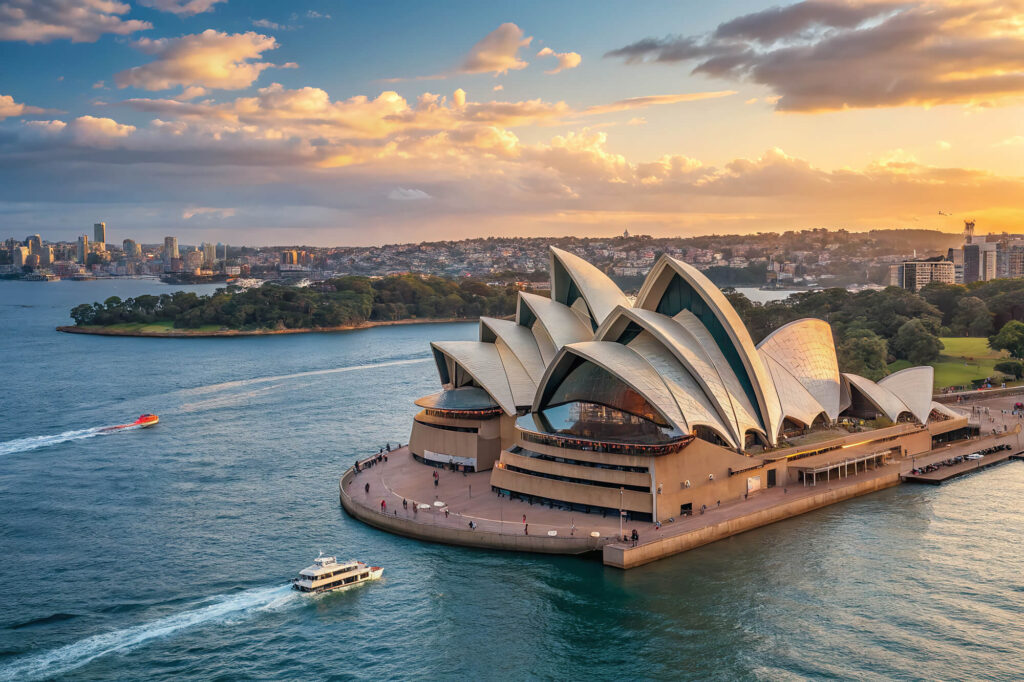
Sydney was my home base, and I never got tired of it. I toured the famous Sydney Opera House and crossed the Sydney Harbour Bridge more times than I can count, two icons that are worth every bit of the hype. I spent a day at Taronga Zoo seeing koalas and kangaroos up close, which I still recommend to clients traveling with kids or anyone who wants wildlife without a trek into the Outback. 

For beaches, Bondi is the one everyone knows, full of surfers and great people-watching, with the cliffside walk to Bronte worth doing at least once. Manly Beach, a quick ferry ride across the harbor, has a quieter, more local feel and is just as good for surf-watching. I always tell clients to take the ferries whenever possible, they're cheap and give you some of the best harbor views in the city, especially with the Opera House and Bridge in the background.

The week I spent around Airlie Beach was the highlight of the entire trip. I did my first ever scuba dive on the Great Barrier Reef, and I tell every client considering it the same thing: you don't need a certification to do it. You're with a guide who never leaves your side the entire time and you don't go deep, so it's an accessible way to see the reef even for complete beginners. 

Cruising the Whitsunday Islands afterward, with some of the whitest sand beaches I've ever seen, was the kind of experience that makes an Australia itinerary unforgettable. This region is non-negotiable for any client who wants more than a city trip.

Along the rest of the east coast, this is where I'd send clients based on everything I know from planning trips there: Brisbane as a laid-back, underrated city worth a stop, the Gold Coast for its beaches and theme parks, and Byron Bay for its surf-town, bohemian energy that's become one of the most popular stops in the country for good reason.

Melbourne and the Great Ocean Road are another pairing I like to plan, even though I haven't done it myself yet. Melbourne has a completely different personality than Sydney, more laneways, coffee culture and art, less harbor and beach. The Great Ocean Road, with the Twelve Apostles and the dramatic coastal drive, is one of the most scenic road trips in the world and pairs naturally with a few days in the city beforehand.

For clients chasing something further off the map, the Outback and Uluru are where I point them for a true red-center experience, watching the rock change color at sunrise or sunset is often the single most-requested moment of an Australia trip. 

And for divers who want the Great Barrier Reef experience without the crowds, Perth's reefs on the west coast are a well-kept secret I love recommending, equally spectacular with a fraction of the tourists.

Australia is an easy landing for American travelers because of the lack of language barrier. Flights between regions are long and the distances are enormous, so I tend to recommend picking just one or two regions rather than trying to cram too much into one trip. If you're dreaming about Australia, I'd love to help you build an itinerary that actually does the country justice.

New Zealand Travel Agent Expert

I spent years researching and writing New Zealand content for a major travel blog, and I've planned multiple client trips to both islands since. My own South Island road trip took me through Queenstown and Dunedin and included an overnight boat cruise through Doubtful Sound, which is still the best thing I did there.

If you're dreaming about New Zealand, tell me your travel style and I'll build you a route that actually fits it.

My first piece of advice is almost always the same: if you have two weeks or less, pick one island and do it properly rather than splitting your time and spending half your trip in transit. 

The South Island is a hiker's paradise, home to the most dramatic landscapes in the country, while the North Island is the better pick for golf, beaches and a more laid-back holiday pace. Either way, I always push clients toward a road trip. The cities are fine, but the real magic of New Zealand happens on the drive between them, and if you're the adventurous type, a campervan is hands down the best way to experience it.

Queenstown was my home base on the South Island, and it's the adrenaline capital of the country for a reason. I’m personally not into adrenalin sports (scardy-cat over here!), but if you are, this is your spot. I send clients to bungy jump off the Kawarau Bridge (the original bungy site in the world), jet boat through the canyons, or skydive over Lake Wakatipu if they want the ultimate thrill. 

Wanaka is an easy add-on from Queenstown, home to the famous lone tree in the lake and some of the best hiking in the region. And Arrowtown's old mining-era streets are worth an afternoon. 

If wine country is more your speed, Central Otago (just outside Queenstown) produces some of the best Pinot Noir in the world, while Marlborough up near the top of the South Island is the place for Sauvignon Blanc.

The highlight of my entire trip was the overnight cruise through Doubtful Sound in Fiordland National Park. Most visitors only know Milford Sound, and it's stunning, but it's also the most touristed fiord in the country. 

Doubtful Sound takes more effort to reach, a ferry and a bus ride in, which is exactly why it stays quiet. Spending the night on the water, waking up to mist rolling over the cliffs with almost no other boats around, is an experience I build into every Fiordland itinerary I can.

From there I continued down to Dunedin, a university town with a Scottish architectural streak and one of the best places in the country to see wildlife up close. The blue penguin colony there, the world's smallest penguin species, is worth timing your evening around. 

Further north, Aoraki/Mount Cook and the Franz Josef Glacier are two of the most iconic stops on any South Island itinerary, and they're exactly the kind of places I'd build a multi-day stretch around for clients chasing big scenery. 

Plus, I always include one (or a few) of New Zealand's Great Walks for those who want a proper multi-day trek deeper into the backcountry. 

The North Island is where I send clients who want geothermal landscapes, Maori culture and a change of pace from the mountains. Rotorua is the center of it: bubbling mud pools, geysers, and some of the most immersive Maori cultural experiences in the country, including traditional hangi feasts and performances. 

Lake Taupo is a great stop for more adventure (jet boating and bungy jumping included), and Hobbiton, the real-life movie set from Lord of the Rings, is an easy and genuinely fun detour near Matamata. 

Auckland and Wellington bookend the island nicely, Auckland for its harbor and island day trips, Wellington for its food scene, museums and as the ferry gateway back to the South Island.

New Zealand rewards travelers who build in flexibility: weather changes fast, drives take longer than Google Maps suggests, and the best days are often the ones with the loosest plans. If you're ready to plan a New Zealand trip that goes beyond the postcard shots, I'd love to help you build it.

Japan Travel Agent Advisor

Japan is the destination I’ve researched and planned more than any other. I spent years as a Content Director for a major travel blog, where I researched and ghostwrote nearly all of the site’s Japan content, and I’ve planned countless trips there since. 

I’ve studied this country’s trains, neighborhoods, regional food scenes and hidden corners more closely than most people study places they’ve lived in. I got my first taste of it in college, staying with a local family in Tokyo who showed me their city from the inside out. Tell me your travel style, and I can build you a Japan itinerary on the spot that won’t look like everyone else’s.

My first tip is always to compare flights in and out of Tokyo and Osaka, since multi-city routes can turn up great deals. 

My second is to check whether the Japan Rail Pass is worth it: sometimes it's a no-brainer, sometimes individual tickets cost less. Either way, riding one of Japan’s bullet trains is a bucket-list experience of its own, smooth and scenic enough that I always build in a window seat on one long stretch.

Timing matters more than most realize. Everyone chases cherry blossoms, but I'd argue autumn is the better season: fewer crowds, cooler temperatures, and foliage that rivals the blossoms for color. 

Japan's autumn also runs later than what we're used to in the US, often peaking into November. Either way, I plan routes that move north to south (or vice versa) to follow the bloom or foliage line across the country, giving you the best odds of catching it at its peak.

Tokyo is where I'd start most clients, and it's a city that rewards curiosity over checklist-ticking. Beyond Shibuya Crossing, I love sending people into teamLab Borderless for an immersive art experience unlike anything else in the world, or into the back alleys of Yakitori Alley and Memory Lane for the kind of izakaya hopping that never makes it into guidebooks. 

Asakusa and Senso-ji Temple give you the historic side, while a neighborhood like Shimokitazawa gives you the local, lived-in version most tourists never find. I stayed with a Japanese family on my own trip, and that experience of seeing the city through local eyes is exactly what I build into every Tokyo itinerary, whether that's a home-cooked meal, a quiet neighborhood walk, or a morning watching sumo practice at a training stable.

Kyoto is the cultural heart of the country: the Fushimi Inari gates, Arashiyama Bamboo Grove, and Kinkaku-ji's Golden Pavilion are the icons, but I always build in time for Gion at dusk, when you have a real chance of spotting a geisha on her way to an appointment. I also know a secret bamboo grove with barely any tourists that I love to delight clients with.

Osaka is the food city, hands down, and I plan serious eating itineraries around Dotonbori and Shinsekai for anyone who wants to understand why people fly in just for a weekend of street food. 

Nara, with its free-roaming deer, is an easy day trip between the two cities, and Hiroshima makes a meaningful extension from either one, sobering at the Peace Memorial Park and absolutely worth the extra train ride.

No Japan itinerary is complete without Mount Fuji, one of the things I know well from planning it many times. Hakone is my go-to base: a peaceful onsen town on Lake Ashi with ryokan stays, kaiseki dinners, and some of the best Fuji views in the country on a clear day. 

If privacy matters, I check whether a ryokan offers a private onsen over communal baths, since that one detail changes the whole experience for a lot of clients. I also route clients through Fujiyoshida for the iconic Chureito Pagoda photo, and always push for an October through February visit, when visibility is highest and the mountain actually shows up for the photos everyone's hoping for.

The trips I'm most excited to build (and eventually take myself) are the ones into Japan's slower, wilder corners: the Kumano Kodo Trail, an ancient pilgrimage route through remote mountains dotted with traditional guesthouses, the Nakasendo Trail's walkable stretch between the preserved villages of Tsumago and Magome, and the Tateyama Kurobe Alpine Route through the Japanese Alps. All three are on my own personal bucket list, and they're exactly the kind of unexpected experiences I specialize in finding for clients before they know to ask for them. 

Nearby, the snow monkeys of Jigokudani soaking in their own hot spring pools are one of the most memorable wildlife encounters in the country. Add in a night in Takayama or the thatched-roof village of Shirakawago, and you've got a trip that goes well beyond the standard Tokyo-Kyoto-Osaka loop.

Japan rewards good planning: trains on a schedule you can set your watch to, ryokans that book out months ahead, and small towns that turn into some of the best stops of a trip if you know where to look. That's the kind of planning I love most. If you're dreaming about Japan, tell me your travel style and let's build something unforgettable.

Turkey Travel Agent Expert

I've been to Turkey five times, adding up to over two months on the ground, and every visit is anchored by something most travelers don't get: a close friend who was born and raised in Istanbul. I spend time with her and her family on every trip, which means my understanding of this country comes from actual insider access, not just tourist itineraries. I bring that lived experience to every trip I plan here.

Istanbul is where I've spent the majority of my time, and it's a city that rewards knowing how to do it right. It's massive, and choosing the right neighborhood to base yourself in changes the entire experience. I steer clients toward areas that put them close to the food, nightlife, and culture without feeling like they're stuck in a tourist zone. (Karaköy is my top recommendation for first-timers!) 

One of the biggest misconceptions I clear up for clients before they go: Istanbul's culture is far more open and European than people expect from a Middle Eastern stereotype. There's no dress code outside of mosques, and the city has an incredible food and nightlife scene once you know where to look. Having a local friend to introduce me to real neighborhood spots over the years means I plan Istanbul with a level of detail most visitors never get access to.

Cappadocia is a destination I'm genuinely obsessed with. I once spent a full week there entirely on my own, rented a car, and explored the whole region. I felt completely welcomed the entire time, even solo. It's also one of the most luxurious destinations in Turkey, known for its cave hotels and otherworldly landscape. The hot air balloon ride over the fairy chimneys at sunrise is the reason most people go, and even though my own flight got weathered out three days in a row, I still watched the balloons fill the sky on my first morning there. It's such a magical experience and worth the early alarm regardless of whether you end up flying. I plan Cappadocia trips knowing exactly how to build in weather buffer days, because that ride is worth protecting in the itinerary.

The southwest coast of Turkey is, in my opinion, one of the most underrated destinations in the Mediterranean. I've spent weeks sailing the coast with my friend and her family. It's strikingly similar to the Greek Islands, since it shares the same sea, but at a fraction of the cost. I've even done day trips to Greek islands directly from the Turkish coast. 

Bodrum is the bougie anchor of the region, known for its beach clubs and nightlife, but Kas is my personal favorite coastal town — smaller, slower, the kind of place you get around by scooter, with waterside cafés and some of the best sunsets I've seen anywhere. It's worth knowing that Kas doesn't have traditional sandy beaches; swimming happens off docks and rocky coves, which I always set expectations around for clients.

Turkey is a country that surprises people. It's far more diverse, welcoming, and easy to fall in love with than most travelers expect going in. Whether you want the history and energy of Istanbul, the surreal landscapes of Cappadocia, or a slower sailing trip along the southwest coast, I'd love to help you build a trip that shows you the Turkey I know.

Morocco Travel Agent Professional

I spent six weeks traveling through Morocco, and it remains one of the most disorienting, rewarding trips I've ever taken. It's a country that can feel overwhelming at first glance: the medinas, the mountains, the desert and the coast all feel like different worlds, and I plan it for clients with that contrast in mind rather than trying to cram everything into one fast loop. 

My biggest piece of advice to anyone headed there, especially first-time visitors from the West, is that Morocco can be a bit overstimulating. The sounds, the crowds, the constant hustle for your attention in the souks; it's a lot to take in at once. 

Planning a good Morocco trip is really about building in a rhythm: a few intense, immersive days in Marrakech followed by something quieter, so the trip stays exciting instead of exhausting.

Marrakech was my entry point, and it's not a relaxing city, it's a sensory one. I stayed in traditional riads rather than hotels, which I recommend to every client headed there: the open air courtyards and rooftop breakfasts are a built-in escape from the chaos of the souks just outside the door. 

I spent my days getting intentionally lost in the medina, bargaining in the marketplace, and wandering through Jardin Majorelle, and my evenings chasing rooftop views for sunset over the Koutoubia Mosque. 

I tell clients to treat Marrakech in doses: three or four days is usually the right amount before the noise and energy start to wear you down, which is exactly why I always build a slower stretch into the itinerary immediately afterward, rather than stacking another big city right behind it.

For me, that meant heading into the Sahara. I booked a private guide and driver for three days, still one of the best decisions I made on the trip. We stopped at Aït Benhaddou on the way out, the fortified clay village that looks like a movie set (because it frequently is one), then crossed the High Atlas Mountains into the dunes of Erg Chebbi. I spent one night in a hotel along the route and one night camping at Desert Luxury Camp. 

For people who are not fans of camping, I send them here. This is luxury glamping at it’s finest: A camel ride into the dunes at sunset, dinner under the stars, and a windswept, freezing cold morning that made the heavy blankets worth it. 

From there I spent about a month living in Taghazout, a small surf town on the Atlantic coast that most travelers have never heard of, and that's exactly its appeal. It's slow, it's unpolished, and it's full of surfers, yogis and remote workers who've found their way there and stayed longer than planned.

I used it as a home base for weekend trips: Agadir for a bigger beach town with resorts and a golf scene, Essaouira for its windswept ramparts and blue and white medina, and Paradise Valley for a hike down to a natural rock pool that's worth the rocky scramble. 

Taghazout isn't for every client, but for anyone who wants a few slow days of sun and surf lessons between the bigger cities, I always point them towards the coast instead of the more crowded Marrakech and Fes.

I closed out my trip with a road trip north through the bigger cities of Casablanca and Rabat to Chefchaouen, the famous Blue City. It's unlike anywhere else I've been in the country. Every wall, door and staircase in the old medina is painted some shade of blue, and the whole town sits tucked into the Rif Mountains with a noticeably cooler, slower climate than the desert heat I'd just left. 

I spent my days wandering the winding streets with a camera and my evenings hiking up to the old Spanish Mosque for sunset views over the rooftops. It's one of the most photogenic places I've traveled, and also one of the most relaxing, which made it the right way to end a trip that had covered so much ground.

Fes is the one major stop I didn't make on this trip, but it's a region I plan often and this is where I'd send clients who want to go deeper into Morocco's history. Known as the spiritual capital of the country, Fes is home to Fes El Bali, the walled medina and UNESCO World Heritage site that's also the largest car-free urban area in the world. 

Centuries-old alleyways, the famous leather tanneries (the smell is as legendary as the craft), and the Al-Attarine Madrasa with its hand-laid tilework. It gets a fraction of the tourist traffic Marrakech does, which makes it a great add-on for clients who've already done the highlights and want something more untouched.

A few things I build into every itinerary: cash for anywhere outside the bigger hotels, modest dress, and riads booked well in advance since good ones fill up months out. 

Mostly, I think about pacing. Morocco can be rushed, but it's so much better done slow, with real breathing room between the medinas, the desert and the coast. If you're considering Morocco for your next trip, I'd love to help you build an itinerary that lets you actually experience it, instead of just surviving it.

Italy Travel Agent Specialist

I've been to Italy six times, and I've stopped counting the months at 6+ because I lost track somewhere around my first extended stint living in Florence. I've traveled this country as a tourist with two weeks and a list, and I've traveled it as someone who actually lived there for over a month at a time (two completely different ways of knowing a place!). I bring my first-hand experience to every itinerary I build.

Florence is where I've spent the most time, and it's the city I know best. I steer clients away from thinking of it as a checklist of museums and toward what it actually is: the best home base for discovering Tuscany. The historic center is stunning but gets suffocating with tourists, especially in summer, so timing and neighborhood choice matter more here than almost anywhere else in the country. 

Florence is just the gateway, the real magic happens once you get into the Tuscan countryside. Siena and Lucca are some of my favorite day trips, with none of Florence's crowds. San Gimignano and Montepulciano are my favorite hilltop towns to recommend — small, slow-paced, and exactly the kind of place where an unplanned wine tasting becomes the highlight of the trip. The Chianti region is where I send clients who want a full day of vineyard hopping, with an agriturismo stay built in when the itinerary allows. Pisa is worth a stop if you're already passing through (the town beyond the Leaning Tower is cute), but I recommend giving it a skip if you want more authentic Tuscan charm.

Rome is the city I keep returning to and still haven't finished. Every visit I find something new, and my recommendations are constantly evolving because of it. It's also, hands down, the best food city in Italy. Roman pasta (cacio e pepe, carbonara, amatriciana) is in a league of its own, and I've eaten my way through this city enough times to know which spots are worth the wait and which are tourist traps. Rome can be chaotic and overwhelming if you don't know where you're going, which is exactly why I plan it in detail rather than leaving it to chance.

I've been to the Amalfi Coast three separate times, watching it change with each visit. My first trip there in 2016 was quieter and more affordable than what I found on my more recent visits. It's still one of the most beautiful coastlines in the world, but I plan around the crowds now: timing trips for shoulder season when possible, steering clients toward well-located accommodation over overpriced beach clubs, and building in a Positano sunset because some things are worth the crowds. I also love sending people to Sorrento as an alternative base; it's cliffs and swimming platforms instead of traditional beaches, and it gives you Amalfi Coast access without the Amalfi Coast price tag.

I've also explored Cinque Terre extensively, hiking the Blue Trail that connects all five villages along the Ligurian coast. Riomaggiore, Manarola, and Vernazza are the standouts for photos and atmosphere, while Monterosso makes the most practical home base with its flatter terrain and real beach. The villages get flooded with day-trippers by mid-morning, so I always encourage clients to stay overnight rather than visit on a day trip. That's the only way to experience Cinque Terre after the crowds clear out.

Venice is a city I have complicated feelings about, and I use that honestly when I plan it for clients. The main tourist areas around St. Mark's Square can feel more like a theme park than the romantic city people envision. But wander into the quieter neighborhoods, stay overnight instead of day-tripping in, and go in the off-season, and you find pockets of the real Venice that make the trip worth it. I plan Venice very differently depending on whether a client wants the classic postcard experience or something quieter and more authentic.

Puglia is the part of Italy most of my clients haven't heard of yet, and it's quickly become one of my favorite regions to plan. The hilltop towns of Ostuni, Alberobello, and Locorotondo are as photogenic as anywhere in Tuscany, and the coastal towns of Polignano a Mare, Monopoli, and Gallipoli offer beaches without the Amalfi Coast crowds or price tag. It's a heavily seafood-driven region, which I factor in when I'm planning for clients who want classic pasta-forward Italian dining.

I've also spent time in Lake Garda, Verona, Naples (including Pompeii) and Capri — each offering a completely different pace and personality than the Rome-Florence-Venice triangle most first-time visitors default to. The Dolomites are my next big Italian adventure and I’ve already mentally planned the whole trip (perks of being a travel planner!).

Italy is one of the countries I return to again and again, and I plan trips here the way I'd plan my own: adventure paired with comfort, a full day of exploring followed by a long dinner and another glass of wine. Whether you want a classic itinerary or something further off the beaten path, I'd love to help you build it.

Jordan Travel Agent Specialist

Jordan surprised me more than almost any country I've visited, and I mean that as someone who's covered a lot of ground. It's a place people assume they know from a single iconic photo of Petra, but the country underneath that photo is layered, hospitable, and genuinely unexpected at nearly every turn.

I loved Amman far more than I expected to, and it's a city I actively tell clients not to skip. 

I based myself in Jabal Weibdeh, a walkable, buzzy neighborhood close to the Citadel with great cafes and bars, and spent my days doing a free walking tour, wandering Rainbow Street for its rooftop bars, and eating my way through the city's mezze scene: hummus, labneh, dolma, falafel, and more kanafeh than I'll admit to. 

Amman is also where I picked up on something important to prepare clients for: modest dress matters here, and when traveling with only a female friend, we experienced some uncomfortable attention in public. It's the kind of thing I'd rather brief a client on honestly upfront than have them encounter unprepared.

Petra is, understandably, the centerpiece of most Jordan itineraries, and timing it right is everything. 

I always recommend a two-day Petra ticket rather than trying to cram it into one visit. Arrive on your first afternoon after 3pm, when most of the day's crowds are on their way out. Then wake up early and be at the entrance right when it opens at 6am the next morning. 

We had the Treasury almost entirely to ourselves before the crowds arrived by 8. Haggled with a guide to take us to one of the Treasury viewpoints (totally worth the ~5 JOD!) and then headed straight to the Monastery when the crowds started to arrive at the Treasury around 8am. 

The full hike up to the Monastery took about 90 minutes (and again, we beat the morning rush!). By the time we came back down mid-morning, the site had transformed into a packed, sweltering version of the same place, so I was really glad we’d seen it the day before without the crowds. 

Splitting Petra across two days like this means you actually experience it the way it deserves to be seen, rather than fighting crowds and heat the entire time. 

If your schedule allows it, Petra by Night is a completely different, candlelit experience, only offered a few nights a week. I'd recommend doing it only if it fits your schedule, rather than choosing between them. Just know you won’t get the beautiful photos of the candle-lit Treasury you see online without using a tripod. You can barely see it with the naked eye!

Wadi Rum was its own kind of unforgettable. I stayed in a bubble hotel under the desert sky for two nights, which I'd recommend; the domes stay covered during the heat of the day and only open in the evening, so a single night means missing the daylight version of the experience entirely. 

A short hike up the cliffs behind camp gives incredible views over the desert, and between a sunrise 4x4 tour and a sunset camel ride, I'd steer clients toward the jeep every time, it covers more ground and delivers more of the dramatic, otherworldly scenery this place is known for.

While plenty of people treat the Dead Sea as an easy day trip from Amman, I'd actually steer clients toward staying overnight at one of the resorts along the shore for the full experience.

I stayed at the Kempinski Ishtar and it was completely worth the splurge: private beach access, a full Dead Sea ritual with a proper mud bath, and a top tier breakfast buffet. 

Staying overnight also means you get the resort's pool, shade, and amenities without a clock ticking on a day pass, which makes a real difference when you're floating in water that dense under the desert sun. It's the kind of upgrade that turns a rushed afternoon into one of the most memorable parts of the whole trip.

Wadi Mujib Canyon ended up being one of the actual highlights of my entire trip, and it's not on most people's radar before they go. It's a canyon hike through chest-deep water, small waterfalls you climb using ropes and ladders drilled into the rock, and a current that makes it feel like a natural obstacle course. 

We had the final waterfall entirely to ourselves by arriving right at opening. It's the kind of experience I love building into an itinerary specifically because so few travelers know to ask for it.

I also recommend the Roman ruins at Jerash, one of the best-preserved ancient cities you can walk through. But I'll be honest, scuba diving in the Red Sea out of Aqaba didn't live up to the hype; cold water and limited visibility made it one part of the trip I wouldn't necessarily repeat or prioritize for clients short on time.

Jordan rewards travelers who come in with curiosity and a little flexibility. Between the history, the landscapes, and genuinely warm hospitality once you get past the surface-level assumptions, it's a country I'd recommend to almost anyone looking for something that still feels like real discovery. I'd love to help you plan a trip here.

Mexico Travel Advisor Specialist

Mexico is the country I know best, outside of the US. I've lived in Playa del Carmen for over two years combined, spent four months based in Mexico City, and another three months in Puerto Vallarta — on top of countless shorter trips all over the country. That firsthand, on-the-ground knowledge is what I bring to every itinerary I build here.

The Yucatan Peninsula is where I spend the most time. I've road-tripped the region extensively: Playa del Carmen, Tulum, Merida, Valladolid, Bacalar, Cancun, and visited islands off the coast like Cozumel, Isla Mujeres, Isla Holbox. I know which cenotes are worth the drive and which ones to skip depending on what a client is looking for, along with the areas around Chichen Itza and the Sian Ka'an Biosphere Reserve. 

Playa del Carmen is home base for me, so when I plan a Riviera Maya trip, it's built on years of actually living the day-to-day here, not a week-long scouting trip. Whether someone wants a resort-based beach week or a more immersive experience through colonial towns and turquoise lagoons, I know how to structure the Yucatan around what they actually want.

Mexico City is one of my favorite cities in the world, and I spent four months living there to really get to know it. I almost always base clients in Roma Norte or La Condesa — safe, walkable, leafy neighborhoods with the best restaurants and easiest access to the rest of the city. From there, I build in Chapultepec Park and Castle, the Anthropology Museum, and a proper food tour, plus a Lucha Libre match for something completely different. Coyoacán and the Casa Azul (Frida Kahlo's house) are a must for art and history lovers, and I always try to work in a day trip to Xochimilco's floating gardens, which is an iconic local experience unlike anything else.

I was in Oaxaca City for Día de los Muertos, and it remains one of the most memorable travel experiences of my life — the beautiful altars, the marigolds, the way the entire city transforms for the holiday. Oaxaca is one of my favorite regions in Mexico for culture and food, and I've also spent time on the coast in Puerto Escondido, which gives travelers a completely different, laid-back side of the state beyond the capital.

On the Pacific side, I lived in Puerto Vallarta for three months and know the town and its surrounding beach communities well, including Sayulita for a smaller, more bohemian coastal vibe. I've also explored Chiapas (San Cristóbal de las Casas, Sumidero Canyon, and the ruins at Palenque) for adventurous travelers who want mountains, jungle, and Maya history rather than beaches. Cabo (both Cabo San Lucas and Los Cabos), San Miguel de Allende, and Teotihuacan round out the list of places I've personally explored across the country.

Mexico is endlessly diverse, and having actually lived in three completely different regions means I plan trips here with a level of detail most people simply can't, because for me it's not a destination, it's home. Whether you want a classic beach getaway, a culture-forward city trip, or something further off the map, I'd love to help you build it.

Ireland Travel Agent Specialist

What struck me most about Ireland wasn't the scenery, though it definitely delivers, it was  just how much better this country gets the further you get off the main tourist track and into conversation with the people who actually live there.

My single favorite experience in the country happened in Doolin, a tiny coastal town that most visitors treat as a quick stopover before the Cliffs of Moher. The classic Visitor Center version of the cliffs is definitely worth doing (there's a free shuttle from the Doolin Inn that waives the entry fee, a tip I give every client), but the real magic happens on a guided walk with a local farmer named Pat, whose family has worked the land for generations. 

In 2012, Pat rallied dozens of neighboring farmers to open the old coastal road as a public walking path, The Doolin Cliff Walk. While you can do the cliff walk on your own, walking it on a guided tour led by Pat himself lets you access private land with views of the cliffs almost no one else gets to see. 

From Doolin, take the Wild Atlantic Way down to the Dingle Peninsula. Slea Head Drive is one of the most scenic coastal drives in the country, with narrow roads that hug the Atlantic and stop after stop worth pulling over for: the cinematic Coumeenoole Beach, the working pier at Dunquin, the cliffs at Clogher Head. It’s worth spending an entire day here and not rushing it. 

Next up is Killarney, a livelier base with a real food scene and Killarney National Park right on its doorstep. If you’re an avid hiker, I highly recommend Torc Mountain, a moderate trek through forest and meadows with lake views that turned out to be a total surprise at the summit, and some of the best views of the trip.

No Ireland itinerary in this part of the country is complete without driving the Ring of Kerry. The tour buses all drive it clockwise, but every local we spoke to told us to go counter clockwise so we avoided most of the traffic. I also recommend splitting the Ring of Kerry into two days and staying somewhere on the opposite end of the peninsula overnight to break up your drive. 

Start with the Gap of Dunloe and arrive before 9 am when the crowds start rolling in and the parking lot fills. The gap itself is actually a 6.6 km mountain pass through stunning scenery, but the road is closed to private vehicles, so you’ll have to walk it, or opt for a horse-drawn carriage ride. The good news is, some of the best views are only about 1km in at the Wishing Bridge, so you don’t have to walk the whole thing if you don’t prefer. 

The Kerry Cliffs were another standout along the Ring of Kerry for me. Dramatic, genuinely stunning, and a fraction of the crowds you'll find at the more famous Cliffs of Moher. This place is not to be missed! Just be sure you time it right, these cliffs sit on private property and access is completely restricted outside of opening hours. 

Cork is the largest city in southern Ireland and a good base for exploring the region. Just outside of Cork is Blarney Castle, where travelers line up for the rite-of-passage kiss of the Blarney Stone for good luck. West View Park in nearby Cobh is where you’ll get the view of the famous “deck of cards houses. And Kinsale, about half an hour south, is a colorful harbor town perfect for a coastal walk and a good dinner. 

Beyond the southwest, Ireland has plenty more worth building into a longer itinerary. Dublin is where most international flights land, and it's an excellent bookend for travelers who want a night or two of history, pubs, and live music before or after a countryside-focused road trip. 

The Guinness Factory is the obvious first stop, and it earns the hype: seven floors built inside the original fermentation plant, ending with a pint in the rooftop Gravity Bar overlooking the whole city. 

For something with more weight to it, Kilmainham Gaol is one of the most powerful historical sites in the country, and also one of the hardest tickets in Dublin to get. Tickets are released online and typically sell out within minutes, but here's the trick: check back a day or two before your visit. Cancellations happen regularly, and a handful of spots almost always reopen if you keep an eye on the site rather than giving up after the initial sellout.

Galway and the wilder landscapes of the west coast, along with Northern Ireland's Giant's Causeway, are natural additions for travelers with more time who want to see an entirely different side of the country.

Ireland rewards slowing down. The weather can turn from sun to fog to rain within the same afternoon, so being prepared (and packing lots of layers!) is key. In my opinion, the best experiences are often the ones a local points you toward rather than the ones on a map and the small towns consistently outshine the bigger cities. Having done this route myself, I know exactly how to pace an Ireland itinerary so it feels full without ever feeling rushed. If Ireland is on your list, I'd love to help you plan it.

South Africa Travel Agent Professional

Whenever someone asks me my favorite destination in the world, my answer is always the same: South Africa. Cape Town is the only city I've ever experienced where the mountains, the beach, and cosmopolitan city life all exist in one place. Add in easy access to safari, and I'm completely in love.

I first visited Cape Town back in 2008, and told myself that one day I’d live there. Since that trip, I’ve returned 4 times, each to max out my full 90 day tourist visa. If that doesn’t tell you how much I love this place, I don’t know what would. 

Actually living in a destination changes the way I plan it for other people. I've spent enough evenings chasing the best sunset spots around Cape Town to know exactly which beach or viewpoint to send someone to depending on where they're staying. From there, I build in the Cape Winelands; Stellenbosch and Franschhoek are 30 minutes from the city and feel like a different world. And I've toured more of those wine farms than I can count. The Franschhoek Wine Tram is a favorite recommendation for travelers who want a low-key, no-designated-driver way to hop between tastings.

For travelers with more time, I route them down the Garden Route, which I've driven and explored extensively. The coastal towns and stops along that route are where South Africa slows down and shows a completely different side than Cape Town's city energy. I know which stops are worth a full day and which are better as a quick photo break, and I build the route around that.

But safari is where this country becomes unforgettable, and it's the part of my South Africa expertise I'm most passionate about. I've done 4 safaris in South Africa, and even have my favorite game reserves and lodges I recommend to all of my customers, so when I'm planning your safari, I'm not guessing at what a property is like, I've slept there. Ivory Tree In Pilanesberg is my personal favorite; it's also where I had a guide, Evan, who fundamentally changed how I experience wildlife. He taught me to read animal behavior, not just spot it, and that knowledge turns a good safari into an extraordinary one. I still think about the night a herd of elephants surrounded our open safari vehicle in the dark and Evan talked a curious calf out of touching the truck in Afrikaans, dead quiet, all of us holding our breath.

One of the biggest things I help clients understand before they book is that not all safaris are the same. A private, unfenced reserve like Sabi Sands or Pilanesberg lets guides go off-road and track sightings in real time, which means fewer other vehicles and a far more intimate experience than a crowded national park. I've now seen four of the Big Five (still chasing that elusive leopard), and I build every safari itinerary around maximizing those kinds of moments: which lodges to pick for the best game density, when to go for optimal wildlife activity, and what to actually pack (soft-sided duffels only if you're on a bush plane between camps, neutral tones, and yes, bring cash for tipping, there are no ATMs out there in the bush!).

Logistically, I know which airports to route clients through depending on which reserve so you don’t waste a day on unnecessary travel. And because I've lived through the full range of South African weather and seasons across multiple visits, I plan timing around what actually matters for your specific trip: safari viewing conditions, Cape Town's weather, and Garden Route road conditions don't all peak together, so "best time to visit" depends entirely on what you're building your trip around.

South Africa is one of my favorite countries for milestone travel (honeymoons, anniversaries, big birthdays) because nowhere else pairs adrenaline and elegance quite like it. A dawn game drive followed by a sundowner. A sunrise hike followed by wine tasting in the afternoon. If you want a trip built by someone who has actually lived this country, not just visited it, I'd love to help you plan it.

Iceland Travel Agent Professional

Iceland is a country I've planned a lot of trips for. While I’ve only visited once myself, I've sent friends and clients off on their own Iceland adventures with routes built from everything I've learned researching this country obsessively. 

It's a country I cannot wait to return to myself. I've mapped out the perfect two-week Ring Road route down to the day, campervan and all. And all that planning experience is what actually makes an Iceland trip work, because this is a destination where logistics make or break the experience.

The Blue Lagoon is probably the single most famous thing people associate with Iceland, and it's a cool spot worth doing once, especially since it's so close to Keflavík Airport and works well as a first or last stop. But I always tell clients not to stop at just one.

Iceland has dozens of other hot springs and geothermal resorts, some far less crowded, some completely free, and some genuinely more beautiful, and I love building at least one or two of these into every itinerary so a trip isn't defined by the one hot spring everyone's already seen photos of.

Reykjavik is worth more than the fly in, fly out treatment most people give it. Stay downtown in the walkable core and you'll find a genuinely cute, charming city with a strong restaurant scene and plenty to fill a day or two. But the real reason people come to Iceland is what's outside the city, and I always build in enough time to actually get out into the landscape rather than treating Reykjavik as the whole trip.

The Golden Circle is the classic first stop for most visitors, and while Thingvellir, Geysir, and Gullfoss are worth seeing once, I'll be honest that I find them overhyped and overtouristed compared to what else Iceland has to offer. Some of my personal favorite stops on the Golden Circle are Bruarfoss, a stunning, impossibly blue waterfall just off the beaten path, Kerid Crater, and Friðheimar Tomato Farm, which has a restaurant inside their greenhouse. 

The South Coast is where Iceland really delivers on the landscape you picture before you go: Seljalandsfoss, where you can walk behind the falls (especially beautiful at sunset), Skógafoss, with its staircase up to sweeping views, and the black sand beaches and glacier lagoons further east, including Jökulsárlón and Diamond Beach, where chunks of ice wash up on black sand like scattered jewels. 

I always build in time here rather than rushing through, since this stretch of coast rewards slowing down more than almost anywhere else on the Ring Road.

For travelers with more time, I plan full Ring Road routes, ideally at least 10 days, driven counterclockwise so you hit the South Coast's concentration of highlights first while you're still adjusting to jetlag, and so the crowds thin out rather than build as the trip goes on. 

A proper Ring Road route also opens up the east fjords, the volcanic landscapes around Lake Mývatn, and the wild, remote beauty of the Westfjords for travelers who want to go further off the map. For the most adventurous itineraries, I love building in time in the Icelandic Highlands, places like Landmannalaugar, where the hiking and hot springs are unlike anything else in the country, though this does require a 4x4 and a bit more logistical planning.

Iceland is not a destination you want to wing, and seasonality matters more here than almost anywhere else I plan. 

Summer gives you long daylight hours (midnight sun!) and easy driving conditions across the entire Ring Road. While winter means short days (we’re talking sunlight from 11 am to 3 pm only), more limited access to certain roads and sights, and a very different kind of trip. Visiting Iceland outside of the summer months means you’ll trade some flexibility for a real shot at the Northern Lights, best seen roughly September through March on a clear, dark night away from town. 

Weather changes by the hour regardless of season, driving distances are easy to underestimate, and some of the best experiences here are the ones tucked just off the main road rather than the ones everyone's seen on Instagram. 

That's exactly the kind of planning I love doing, matching the season, pace, and route to what you actually want out of the trip, so it feels complete rather than rushed. If Iceland is on your list, I'd love to help you plan it.

Tanzania Safari Travel Agent Specialist

After months of research before my first Tanzania safari, I came away with one conclusion I tell every client: this is not a trip you can just wing. Going through a reputable safari company wasn't just easier, it was actually cheaper than trying to piece it together myself, and there were variables I never would have known to plan for on my own. As a travel agent, I am now partnered with some of the best safari companies to put together the perfect Tanzania safari itinerary to fit your needs and travel style. 

My own trip started in Arusha, where I was met by a driver guide and settled in before heading into Tarangire National Park the next day for a full day of game drives among its iconic baobab and acacia trees, famous for its elephant population. From there, I spent a day hiking the Ngorongoro Highlands around Olmoti and Empakai Craters, a part of Tanzania most first-time safari travelers don't even know exists. 

The Ngorongoro Crater itself came next, and it's every bit the highlight people say it is: sheer crater walls giving way to an incredibly dense concentration of wildlife, including a real shot at spotting an endangered black rhino.

From there I made my way into the Serengeti for a full day of game drives, chasing lions, cheetahs, and leopards across some of the most iconic landscape in Africa. I added a dawn hot air balloon ride followed by a bush breakfast, which I'd recommend to almost anyone who can fit it into their itinerary; watching the Serengeti wake up from the air is unlike anything else on a safari. 

I finished the trip in Lake Manyara National Park, home to the largest baboon population in the world and, depending on the season, thousands of flamingos dotting the lake during breeding time. Not to mention the famous tree-climbing lions (a rare phenomenon that only happens in this park!), which sadly we didn't spot. 

One of the biggest things I want travelers to understand before booking a Tanzania safari is that this isn't a self-drive destination. There are no marked roads inside the parks, no GPS-friendly routes, and a good guide isn't just there to spot animals, they're the reason you don't end up lost or stranded. 

I also learned the hard way while researching that a lot of hotels listed on booking sites aren't actually all-inclusive the way they appear; game drives and park entrance fees often get priced separately and add up fast if you're not planning around them from the start. Each national park charges its own entrance fee, and sorting that out in advance is one more place where an experienced guide genuinely earns their keep.

Ngorongoro Crater deserves a special mention here too. There are no lodges inside the crater itself, and getting down and back safely requires a guide who actually knows the terrain and logistics. If you want to hike while you're there, you'll need an armed guard for safety. This is not a spot to figure out on the fly.

My biggest piece of advice for anyone flying all the way to Tanzania: don't stop at just Serengeti National Park. If you're making the trip, it's worth building an itinerary that covers multiple parks, each one offers something genuinely different, from Tarangire's elephants to the Crater's density of wildlife to the sheer scale of the Serengeti itself. 

This is exactly the kind of trip I love building for clients: I know the logistics, I've done the research, and I've actually lived the itinerary I'm recommending. If a Tanzania safari is on your bucket list, I'd love to help you plan it right.

Scotland Travel Agent Specialist

I spent two weeks road-tripping through Scotland, and it remains one of my favorite trips I've ever taken. Beyond that firsthand experience, I also spent years working in travel content and planning at a blog that specializes in Scotland road trips, so I bring both lived experience and deep destination research to every Scotland itinerary I build.

My trip started in Edinburgh, and three days was the right amount of time to fall for this city. I climbed Arthur's Seat for sweeping views over the whole city, wandered the Royal Mile, and toured Edinburgh Castle. My favorite evening there was catching sunset from Calton Hill, a spot most first-time visitors miss entirely. I always tell clients to leave room in Edinburgh for slow wandering, the closes and side streets off the Royal Mile are where the city's real character lives.

From Edinburgh, I drove north into Cairngorms National Park, and hiking out to meet a wild reindeer herd in the Cairngorm hills is genuinely one of the most unique things I've ever done on a trip. From there I continued to Inverness, where I took a boat cruise on Loch Ness past Urquhart Castle, but the moment that actually stuck with me was catching sunset from Dores Beach, a quieter, less touristed spot on the loch that a local pointed me toward. I still think it was a better view than the boat tour itself.

The drive from Inverness to the Isle of Skye is where Scotland really opens up. I drove the scenic coastal route along the west coast and arrived at Eilean Donan Castle, one of the most photographed castles in the country and worth every bit of the hype. Skye itself deserves at least two full days. I hiked to the Fairy Pools, climbed Old Man of Storr, and drove the loop through the Quiraing, three of the most iconic landscapes in Scotland, all within reach of each other. I capped it off with a splurge dinner at The Three Chimneys, a world-renowned restaurant tucked into a remote inn on the Isle of Skye.

From Skye, I continued to Fort William to see the Glenfinnan viaduct, made famous by the Harry Potter films. Then on to Glencoe, which might be the most underrated region in the entire country. The Lost Valley hike and the views along the Three Sisters mountains were stunning, and I'd send almost any adventurous traveler here even if they've never heard of it before booking. My route wrapped up through Loch Lomond and the Trossachs National Park before finishing in Glasgow, a completely different energy than Edinburgh: grittier, artsier, and worth exploring in its own right rather than treating as just a departure point.

What makes Scotland such a rewarding country to plan is how much range it has in a relatively small footprint. In two weeks, I went from a capital city to Highland wilderness to island cliffs to lochside villages, all connected by some of the most scenic driving I've done anywhere in the world. I plan Scotland itineraries around that same rhythm: adventure balanced with comfort, epic landscapes balanced with a good dinner and a cozy pub at the end of the day. If a Scotland road trip is on your list, I'd love to help you build one.

Portugal Travel Agent Specialist

Portugal is one of my favorite countries in Europe, and after four visits and months spent living in Lisbon, it's a place I know at a resident's pace rather than a tourist's. I always tell people this is the kind of country where the itinerary matters just as much as the destination: it rewards travelers who slow down, and I plan every Portugal trip with that in mind.

Lisbon is where I've spent the most time, and I actually lived in Príncipe Real, a walkable, expat-friendly neighborhood above Bairro Alto that feels far more local than touristy. It has an excellent restaurant scene, great parks, and some of the city's best miradouros, the lookout points where you can watch the whole city glow at sunset. Just know it’s all the way at the top of a hill and there’s no avoiding the steep climb if you stay here.

For first-time visitors, I usually point people toward Alfama or Chiado instead. Alfama is quiet and beautiful, and puts you within walking distance of some of Lisbon's best sunset spots. Chiado is more central, though I always tell clients to book closer to the coast there if they want to avoid the steepest hill climbs. One neighborhood I steer almost everyone away from is Bairro Alto: it's where a lot of bars and street parties are, which means noise and foot traffic at all hours of the night.

Lisbon is hilly in a way that doesn't always show up on a map, so I plan routes around that rather than against it. I know which rooftop bars are worth a reservation, where to find the best pastel de nata in the city (hint: it's not always where the lines are longest), and which neighborhoods to avoid at night if you value peace and quiet. A glass of local vinho verde at one of the small wine bars tucked into a side street is one of my favorite ways to end a day there.

Porto is actually my personal favorite of the two, if only by a hair. It has a completely different energy than Lisbon: smaller, more compact, and built along the dramatic curve of the Douro River. I send clients here for the port wine cellars across the river in Vila Nova de Gaia, the colorful Ribeira district, and as a home base for day trips into the Douro Valley, one of the most beautiful wine regions in Europe. Porto also tends to be a bit more budget friendly than Lisbon, which I factor in for clients balancing multiple stops on a Portugal itinerary.

Sintra is a must include on almost every Portugal trip I plan, and it's an easy day trip from Lisbon. This is where Portugal turns into a fairytale: colorful palaces, misty hilltop forests, and castles that look like they belong in a different century entirely. I always tell clients to go early, Sintra gets crowded fast once the tour buses arrive from Lisbon, and the town is worth more time than most people budget for it.

For travelers who want to go beyond the cities, Portugal's Algarve region in the south is where I'd send anyone chasing dramatic cliffs, golden beaches, and some of the best coastline in the country. It's a completely different pace than Lisbon or Porto, and I build it into itineraries for clients who want a beach-forward finish to a Portugal road trip.

For clients who want to experience Portugal off the beaten tourist path, beyond Lisbon and Porto, there are plenty of options. Óbidos is a favorite: a small medieval walled town north of Lisbon known for its whitewashed, flower-lined streets and ginjinha, a Portuguese cherry liqueur. Azenhas do Mar is one of the most photogenic villages in the country, a cluster of whitewashed houses built into a cliffside above the Atlantic, with a natural ocean pool right at the base. Monsanto, often called "the most Portuguese village in Portugal," is built directly into and around massive granite boulders, houses tucked between and even under the rock. 

For travelers who want a quieter, greener side of the country, I'd point them toward Lousã in the Serra da Lousã mountains, home to a network of historic schist villages built from the local stone. And Costa Nova, near Aveiro, is known for its striped, candy-colored fishermen's houses along the water, a completely different, laid-back coastal vibe than the Algarve.

Madeira is where I send clients who want something completely different from mainland Portugal. It’s a tropical island built for hiking and adventure (sometimes called “the Hawaii of Europe”). The levada trails are unlike any hiking I've done elsewhere. It's dramatic, green, and still relatively undiscovered by American travelers, which makes it one of my favorite recommendations for clients who've already done the classic Lisbon and Porto trip and want to see another side of the country.

Portugal rewards a full itinerary rather than a single city stop; the country is compact enough to combine several of these regions into one trip without feeling rushed. Whether you want a classic Lisbon and Porto city trip, a full road trip through the countryside, or an island adventure in Madeira, I'd love to help you build it.

Croatia Travel Agent Specialist

Croatia is one of my favorite countries to recommend to first-time European travelers, and I call it a "soft landing" for a reason. It has everything people picture when they imagine a European vacation: history, beaches, charming old towns, incredible food. Plus it's easy to navigate, English is widely spoken, and renting a car is both affordable and simple. After three visits and more nearly three months on the ground here, I know exactly how to build a Croatia itinerary that delivers the postcard moments without the overwhelm.

Dubrovnik is where most people's Croatia dreams start, and it earns the hype: the walled Old Town, the cable car up Mount Srd for sunset, cliffside bars built right into the rock. But it's also the most crowded and touristy stop in the country, so I typically plan just 2 to 3 days here. Walk the city walls first thing in the morning before the crowds arrive, kayak to a hidden cove only reachable by water, and then move on. I don't recommend building an entire Croatia trip around Dubrovnik, the rest of the country is where it really shines.

Split is my go-to home base for exploring Croatia, and I've spent the majority of my time here across all three visits. The Old Town is actually built inside a Roman palace, it's entirely walkable, and unlike some of Croatia's smaller towns, it has the real conveniences of a city: a well-connected airport, reliable public transportation (Uber works here!), and easy access to everything else on this list. From Split, I send clients to Krka National Park, which is criminally underrated compared to its more famous sibling. It's closer to Split, less crowded, and, unlike Plitvice, you can actually swim in parts of it. It's one of my favorite day trips in the entire country.

Split also makes the perfect launching point for a few smaller gems nearby. Trogir is a tiny walled town just 30 minutes away that feels like stepping back into the Middle Ages, easy as a half day trip by car, bus, or ferry. Šibenik is the town most visitors skip between Split and Zadar, which is exactly why I like sending people there. It has two UNESCO World Heritage Sites, the charm of Dubrovnik's Old Town without the crowds, and it doubles as the closest base to Krka. Further south, Korcula is what I call "mini Dubrovnik without the crowds," with a walled Old Town and excellent local wine, it’s an island best explored by bike.

Plitvice Lakes National Park is a 10 out of 10 experience: cascading turquoise lakes connected by wooden boardwalks and waterfalls, genuinely one of the most beautiful national parks I've been to anywhere in the world. The catch is logistics. It's harder to reach than Krka, and I typically recommend either renting a car or booking a guided day trip to get there comfortably.

The islands are where a lot of clients fall in love with Croatia. Brac, the closest island to Split, has the iconic Golden Horn beach and a much more laid back, local feel once you get past the ferry dock. Hvar is the glamorous one: lavender fields, excellent wine, and the best nightlife of any island in the country, though I always recommend at least one overnight here rather than a rushed day trip to actually experience it.

For travelers who want something quieter and less discovered, I route them up to Istria, the peninsula in Croatia's north that feels more Italian than Dalmatian. Rovinj is, in my opinion, the single most photogenic town in the whole country: colorful buildings climbing a hill toward a church steeple, right on the water. Pula rounds out the region with one of the best preserved Roman amphitheaters in the world, still fully intact and still used for events today. Istria is also where Croatia's food scene gets really interesting. This is the country's wine and truffle region, and I make sure every Istria based itinerary includes both.

If you're wondering when to go, my answer is always September. It's just as warm and beautiful as peak summer, but the crowds thin out dramatically, restaurant reservations get easier, and prices come down. I've experienced Croatia in multiple seasons, and September consistently wins.

Croatia rewards slowing down. My best advice for anyone planning a trip here is to resist the urge to see everything in a week, spread out across the coast and islands, build in time for wine and truffle tastings, and let a few days go completely unplanned. I'd love to help you build that kind of trip.

Destination Specialties

Auckland

Australia & New Zealand

Bangkok

East and Southeast Asia

Cancun

Mexico

Cape Town

Africa

Casablanca

Africa

Denpasar Bali

East and Southeast Asia

Dublin

Europe

Edinburgh

Europe

Florence

Europe

Glasgow

Europe

Inverness

Europe

Istanbul

Middle East

Lima

South America

Lisbon

Europe

Melbourne

Australia & New Zealand

Osaka

East and Southeast Asia

Phuket

East and Southeast Asia

Reykjavik

Europe

Rome

Europe

Sydney

Australia & New Zealand

Tokyo

East and Southeast Asia

Agadir

Africa

Amman

Middle East

Dar Es Salaam

Africa

Kyoto

East and Southeast Asia

Marrakesh

Africa

Mexico City

Mexico

Milford Sound

Australia & New Zealand

Playa Del Carmen

Mexico

Porto

Europe

Walvis Bay

Africa

Wellington

Australia & New Zealand

Windhoek

Africa

Africa

Morocco

Africa

Tanzania

Africa

Namibia

Africa

South Africa

Africa

Mauritius

Africa

Australia

Australia & New Zealand

New Zealand

Australia & New Zealand

Japan

East and Southeast Asia

Thailand

East and Southeast Asia

Indonesia

East and Southeast Asia

Iceland

Europe

Scotland

Europe

Ireland

Europe

Portugal

Europe

Italy

Europe

Croatia

Europe

Jordan

Middle East

Peru

South America

Aqaba

Middle East

Isle of Skye

Europe

Killarney

Europe

Cappadocia

Middle East

Antalya

Middle East

Machu Picchu

South America

Cuzco

South America

Dubrovnik

Europe

Split

Europe

Plitvice Lakes

Europe

Petra

Middle East

Essaouira

Africa

Swakopmund

Africa

Etosha National Park

Africa

Serengeti

Africa

Ngorongoro

Africa

Mount Kilimanjaro

Africa

Nusa Dua Bali

East and Southeast Asia

Tarangire

Africa

Bodrum

Middle East

Ubud

East and Southeast Asia

Stellenbosch

Africa

Byron Bay

Australia & New Zealand

Hvar

Europe

Wadi Rum

Middle East

Great Barrier Reef

Australia & New Zealand

Amalfi

Europe

Hakone

East and Southeast Asia

Koh Samui

East and Southeast Asia

Dingle

Europe

Thingvellir

Europe

Riviera Maya

Mexico

Sintra

Europe

Madeira

Europe

Chiang Mai

East and Southeast Asia

Queenstown

Australia & New Zealand

Tuscany

Europe

Mexico

Bali

East and Southeast Asia

Turkey

Middle East

Vik

Europe

Sacred Valley

South America

Franschhoek

Africa

Port Louis

Africa

Ring of Kerry

Europe

Kruger National Park

Africa

Snaefellsnes

Europe

Certifications & Awards

Reviews

(19 reviews)

Amanda gives the best detailed guidance!

Reviewed By MarisaM - Atlanta | Traveled to Mexico City | Mexico D.F. | Mexico

We highly highly recommend using Amanda Pointer for any travel planning needs you have! We were heading to Mexico City fairly last minute and hadn’t done much research, so we turned to Amanda to help us figure out where to go, what to see, and where to eat. Most travel agents will tell you “eat at this restaurant” or “go to this park,” but because Amanda has traveled to so many locations herself and experienced these places firsthand, she will tell you so many more details such as: “this park is best to visit on Friday afternoon” or “this restaurant is amazing if you go for happy hour from 4-6pm to watch sunset over this famous building, but not worth it if you go in the morning.” That’s the kind of detail we appreciated so much! Overall, we were blown away by how thoughtful, thorough, and specific Amanda’s recommendations were. She took so much of the guesswork out of exploring a new city, and helped us make the most of our time there. If you’re looking for someone who goes far beyond generic travel recommendations and genuinely knows how to create an unforgettable experience based on what YOU actually enjoy, Amanda is your person. We would absolutely recommend her in a heartbeat!

The best recommendations for Rome!

Reviewed By Fran - Philadelphia, PA | Traveled to Rome | Italy | Europe

I’m Italian, but I had never been to Rome before, so I was a little embarrassed to be a tourist in my own country, but Amanda made it easy. She told us everything like how to beat the crowds at the Colosseum and which tours were not worth the money. She also told us about restaurants we never would have found on our own. Our favorite was a rooftop lounge above the Trevi, and we were the only ones there! Her expertise saved us time and money, and we got to enjoy Rome instead of just surviving it.

If you’re headed to Italy, talk to Amanda!

Reviewed By Matty - Philadelphia, PA | Traveled to Rome | Italy | Europe

Even though Fran is Italian, neither of us had ever been to Rome, so we leaned hard on Amanda’s recommendations before the trip, and she delivered. She told us how to avoid the crowds, which tours were worth the money and which to skip, and sent us to restaurants we never would have found on our own. She even tipped us off to a hidden rooftop lounge above the Trevi Fountain, which ended up being one of our favorite spots. Rome can be overwhelming for first-timers, and her advice made it feel easy. We wouldn’t have had nearly as good a trip without her expertise.

Amanda is the best for business travel

Reviewed By Randy - Los Angeles, CA | Traveled to London | England | Europe

Amanda books all of my business travel, and recently she solved a big problem for me when planning a trip to London for a conference. I needed a boutique hotel with a decent restaurant and bar and a fitness center, all within budget, and close to public transit. She found one a short walk from the Underground, with a direct line to the conference center, which was out of town and in an area I did not want to stay in. Zero stress on my end, and the hotel was exactly what I’d hoped for. I wouldn’t book business travel any other way.

Unforgettable from start to finish

Reviewed By Eric - Denver, CO | Traveled to South Africa | Africa

This was my first-ever safari and my first trip to Africa, and Amanda made it unforgettable from start to finish. She planned an incredible trip to South Africa for my family and I, combining a safari with time in Cape Town, and every detail came together perfectly. On safari, we had the most knowledgeable guide who brought the whole experience to life! One night we had elephants surrounding our safari vehicle in the dark and he spoke to them in Afrikkans to get them to back off (a moment I'll never forget). The lodge was incredible and the staff were wonderful and so kind to our family. The second half of the trip in Cape Town was just as memorable. We got to experience shark diving (so cool!) and kayaking in the bay alongside whales and dolphins was incredible. We also did a cool wine tour on bicycles and did a cooking class in a local’s home. Amanda's planning made the whole trip seamless, and I'd recommend her to any family looking to experience South Africa. Thank you, Amanda!

The best Ireland road trip!

Reviewed By Bobbi - Minneapolis, MN | Traveled to Ireland | Europe

Amanda planned a road trip through Ireland that was perfect for my travel style — she focused on nature and natural beauty rather than just checking off cities, with plenty of walking and hiking built in. The restaurants and accommodations were total hidden gems I never would have found on my own. We stayed in the cutest B&Bs. She also set us up with truly unique experiences, like the Doolin Cliffs Walk led by the man who actually created the walk back in 2012. He was full of knowledge, and it was such a special way to see the Cliffs of Moher beyond the typical tourist experience. Thank you Amanda for (yet another) trip of a lifetime! We’ll be back for our next one!

Family memories to last a lifetime!

Reviewed By Jan - Minneapolis, MN | Traveled to Norway | Europe

We'd been planning a family heritage trip to Norway for two years, and when our timeline shifted to make room for our growing family, the pressure felt overwhelming. The moment we handed things over to Amanda, that weight lifted. She coordinated logistics for six adults, a toddler, and an infant, and curated experiences we never would have found ourselves, like a floating sauna and a one-of-a-kind 40th anniversary dinner. Thank you for the lifetime memories our family shares from this beautiful trip that returned us to our roots and gave us a deeper connection to our heritage! It’s hard to put into words what this means to us!

Norwegian Trip of a Lifetime!

Reviewed By Maddie - Denver, CO | Traveled to Norway | Europe

When we decided to take a big trip to Norway with my husband's whole family—parents, siblings, kids, and those of us without children—I knew the logistics were going to be a lot to handle. Amanda took complete control of the planning and created an itinerary that was thoughtful, fun, and perfectly paced for every single person in our group. From helping us connect with our family's ancestral village to giving us amazing local recommendations in Bergen to taking professional family photos, every detail was so well thought out. Having all the stress taken off our shoulders meant we could actually be present and enjoy a really rare, special time together as a family. She is an absolute dream to work with, and I’m already passing her name along to all my friends and family!

The perfect family heritage trip

Reviewed By Benj0OO - Denver, CO | Traveled to Norway | Europe

Amanda Pointer did such an incredible job helping my extended family plan a family heritage trip to Norway. Even with a large group, Amanda balanced everyone’s needs perfectly. From toddlers to the adults we had the trip of a lifetime, spent tons of quality time together and still managed to come home feeling both relaxed and energized. This was the second trip that Amanda has planned for my wife and I and it will certainly not be the last!

Multi generational heritage trip to Norway

Reviewed By AriD525 - Chicago, IL | Traveled to Norway | Europe

Absolutely — here’s a polished, glowing version that keeps the warmth and specificity of what you wrote: Amanda thoughtfully and meticulously planned our family vacation to Norway, which was no simple task! We were traveling with a set of grandparents, a newlywed couple, and our young family with a toddler and a baby, so there were a lot of different needs, interests, and logistics to balance. Amanda somehow made it all feel effortless. She gave each family plenty of thoughtful, reasonable options to enjoy their own vacation while also creating opportunities for us to spend meaningful time together. She struck the perfect balance between having a well-planned itinerary and leaving enough flexibility to relax and truly enjoy our time together. Every detail was considered, and we always felt like Amanda understood what would make the trip enjoyable for each of us. Our Norway vacation was truly special, and we have Amanda to thank for making the planning process so easy and the trip itself so memorable. We couldn’t recommend Amanda more highly and would absolutely work with her again for our next family adventure!

Ready to plan
your next getaway?

Share your vision—we’ll take care of the rest.

Plan a Trip

Explore the world’s most
inspiring places

Explore the world’s most inspiring places

Expertly crafted itineraries, tailored around you.

See Destinations