How Carlisle grew from a single office into the agency it is today.
Read our storyWhat we believe great travel should feel like — and how we deliver it.
Our missionGrow your travel business with the support of Carlisle behind you.
Join our teamHoneymoons, family trips and once-in-a-lifetime escapes, planned end to end.
Explore leisureLogistics for touring artists, film and TV productions, and live events.
Explore entertainmentManaged business travel with booking tools and round-the-clock support.
Explore corporateReward trips and group programmes that motivate teams.
Explore incentiveStories, guides and tips from our advisors around the world.
Search advisors by destination, specialty or name — and get a personal recommendation.

From coast-to-coast road trips to Caribbean islands.
Explore North AmericaAndean peaks, Patagonian ice and Amazon rainforest.
Explore South AmericaOverview Paris, the capital of France, is a compact, culture-rich city known for its art, history, architecture, and distinctive c...
Italy Overview Italy is a compact, culturally rich country in southern Europe where ancient history, world-class art, and diverse...
Overview Miami, Florida is a vibrant coastal city known for its international flair, year-round sunshine, and lively cultural scen...
Overview A world of wonder designed for unforgettable family moments.Orlando, Florida is one of the most exciting family vacation...
Hawaii is an archipelago of eight main islands in the central Pacific Ocean and a U.S. state known for its dramatic landscapes, wa...
Bermuda is a subtropical British Overseas Territory located in the North Atlantic Ocean, about 650 miles (1,050 km) east of the U....
Jamaica Where rhythm, coastline, and island soul meet.Jamaica is a vibrant Caribbean island known for its turquoise waters, white-...
Discover Florida: sun-drenched beaches, world-class theme parks, and vibrant cultural scenes come together across this diverse sta...
Turks and Caicos is a sun-drenched archipelago of coral islands and cays in the Atlantic Ocean, known for its impossibly clear tur...
Overview
Paris, the capital of France, is a compact, culture-rich city known for its art, history, architecture, and distinctive café culture. Sitting on the River Seine, Paris blends grand boulevards and monumental landmarks with intimate neighborhoods, world-class museums, leafy parks, and vibrant markets. It is a city that rewards both focused sightseeing and relaxed wandering.
Major Attractions
The Eiffel Tower remains Paris’s most iconic landmark and offers panoramic city views. The Louvre houses thousands of works, including the Mona Lisa and Venus de Milo. Musée d’Orsay showcases Impressionist and post-Impressionist masterpieces in a former railway station. Notre-Dame Cathedral and Sainte-Chapelle on Île de la Cité are Gothic jewels (note that restoration work may affect access to Notre-Dame). Montmartre and the Sacré-Cœur basilica provide charming cobbled streets and creative history. The Arc de Triomphe crowns the Champs-Élysées, while the Tuileries and Luxembourg Gardens are ideal for relaxing between museums. Don’t miss the modern art at Centre Pompidou and the contemplative sculptures at Musée Rodin. Nearby Versailles, with its palace and gardens, is often treated as part of the “Paris” experience.
Surrounding Cities and Day trips
Paris is an excellent hub for day trips. Versailles (30–60 minutes) is famous for its opulent palace and extensive gardens. Giverny (about 75 minutes) is home to Claude Monet’s garden and studio. Chartres offers a stunning, well-preserved Gothic cathedral. Reims, in the Champagne region, is about 45 minutes by high-speed train and is ideal for champagne cellar tours. Rouen and the Normandy coast are reachable in 1–2 hours by train for medieval streets and WWII history. For family entertainment, Disneyland Paris is about 40 minutes by express train. The Loire Valley and its châteaux are longer day trips or overnight options from Paris.
Things To Do While Visiting
Stroll along the Seine and browse the bouquinistes (secondhand bookstalls). Take a Seine river cruise at sunset for a different perspective on the monuments. Spend long museum days at the Louvre and Musée d’Orsay, and explore neighborhood museums and galleries. Walk Montmartre, explore the Marais for boutiques and historic sites, and wander the Latin Quarter’s narrow streets and bookshops. Visit markets like Marché d’Aligre or Rue Cler for local food and atmosphere. Attend a classical concert, opera, or cabaret show—Moulin Rouge and similar venues provide a quintessentially Parisian evening. Try a cooking class, wine tasting, or food tour to deepen your culinary appreciation. Allow time to simply sit at a café, people-watch, and enjoy the rhythm of Paris life.
Dining
Paris offers everything from modest bistros to Michelin-starred restaurants. Try classic dishes such as steak-frites, coq au vin, boeuf bourguignon, escargot, and regional cheeses. Don’t miss fresh pastries and breads: croissants, pain au chocolat, baguettes, and éclairs. Visit patisseries and local markets for authentic flavors; markets like Marché Bastille and Marché d’Aligre are excellent for sampling. For a special meal, consider a restaurant with a view—such as one in a landmark—or book a table at a reputable brasserie. Many restaurants offer prix-fixe menus at lunch, which can be good value. Tipping is modest in France; service is often included, but leaving small change or rounding up is appreciated.
Summary
Paris is a compact, endlessly charming capital celebrated for its world-class museums, iconic landmarks like the Eiffel Tower and Notre-Dame, elegant boulevards, and vibrant neighborhood life. It combines outstanding art, history, culinary experiences, and leisurely café culture, making it ideal for both focused sightseeing and relaxed wandering. The best times to visit are late spring and early autumn, when the weather is pleasant and crowds are more manageable.
Italy Overview
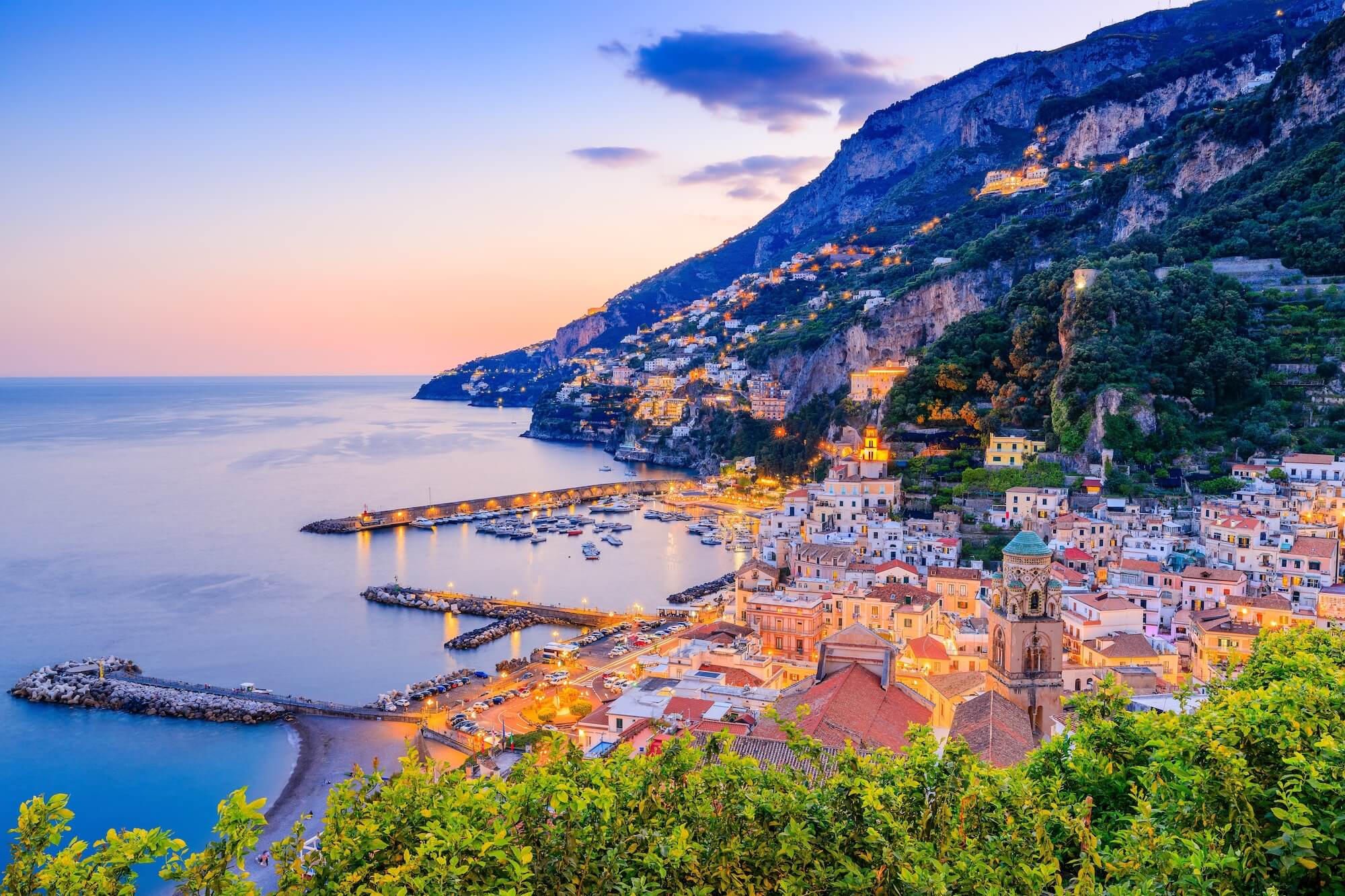
Italy is a compact, culturally rich country in southern Europe where ancient history, world-class art, and diverse landscapes sit within short travel distances. From the Alpine peaks of the north to the sun-drenched islands of the south, Italy’s regional variety—shaped by Roman, Medieval, Renaissance and local traditions—creates distinct identities for each city and countryside. Whether you are drawn to monumental architecture, intimate piazzas, dramatic coastlines, or mountain adventures, Italy offers an immersive blend of culture, scenery, and everyday la dolce vita.
Main Attractions by Region
Rome is the country’s most famous historical hub: the Colosseum, the Roman Forum and the Pantheon recall imperial Rome, while the Vatican Museums and St. Peter’s Basilica house Renaissance and Baroque masterpieces. Florence and the wider Tuscany region are synonymous with the Renaissance: the Duomo (Santa Maria del Fiore), the Uffizi Gallery and the Ponte Vecchio anchor a city rich in art, with rolling vineyards, hill towns like Siena and medieval towers in San Gimignano close by. Venice, famed for its canals, offers St. Mark’s Basilica, the Doge’s Palace and the Grand Canal, plus colorful lagoon islands such as Murano and Burano. Milan and Lombardy combine a striking Duomo and Sforza Castle with a global fashion and design scene, and they serve as gateways to Lake Como and the Italian Lakes. The Amalfi Coast and Naples region deliver cliffside towns like Positano and Ravello, dramatic coastal drives, and nearby archaeological wonders at Pompeii and Herculaneum; the island of Capri adds glamorous scenery and sea grottoes. Along the Ligurian coast, Cinque Terre’s five cliffside villages and coastal trails provide breathtaking views, while Sicily and Sardinia present ancient temples, baroque towns, volcanic Mount Etna, and some of Italy’s most distinct culinary and cultural traditions. For outdoors enthusiasts, the Dolomites and the Alps offer hiking and skiing with spectacular mountain panoramas.
Surrounding Cities and Day-Trip Options
Italy’s compactness makes it ideal for day trips and multi-stop itineraries. From Rome you can reach Tivoli and the ornate Villa d’Este or explore the excavations at Ostia Antica. Florence is a convenient base for short visits to Siena, Pisa, Lucca and the hill towns of Chianti. From Venice, Verona, Padua and Vicenza are easily accessible, while the lagoon islands are a short boat ride away. Milan lets you discover Como, Bergamo and the elegant towns of Lombardy, and Naples opens up Sorrento, Salerno and the Amalfi Coast. In Sicily, Taormina, Syracuse, Palermo and Catania each offer very different slices of the island’s heritage.
Dining
Italian cuisine is rooted in high-quality, seasonal ingredients and regional specialities, with simple techniques that highlight flavor. In the north you’ll find dishes like Milanese risotto, creamy polentas and rich butter- and cheese-forward preparations; Piedmont is celebrated for truffles and robust Barolo wines. Central Italy, especially Tuscany and Rome, emphasizes grilled meats such as bistecca alla fiorentina and pasta classics—including Roman carbonara, cacio e pepe, and supplì as popular street food. Southern Italy favors tomato-based sauces, fresh seafood and the Neapolitan pizza that has influenced cooks worldwide; Sicily adds Arab, Norman and Mediterranean layers to its cuisine with specialties like arancini and cannoli. Wine is integral to the experience, ranging from Chianti and Brunello in Tuscany to Barolo in Piedmont and sparkling prosecco from the northeast, while espresso culture and grappa round out the drink scene.
Summary
Italy packs centuries of art, architecture, and culinary traditions into a remarkably varied landscape, so a single trip can combine iconic monuments, intimate neighborhoods, coastal drives, vineyard tastings, and mountain activity. To make the most of your visit, choose a region or two that match your interests—whether culture, food, coast, or outdoors—and plan timing to avoid peak crowds. With its temperamental charm, Italy rewards curiosity and slow travel, offering countless memorable experiences from city squares to seaside cliffs.
Overview
Miami, Florida is a vibrant coastal city known for its international flair, year-round sunshine, and lively cultural scene. Located on the southeastern tip of Florida where the Atlantic Ocean meets Biscayne Bay, Miami blends Latin American and Caribbean influences with a modern urban energy. The city’s skyline, palm-lined avenues, and waterfront neighborhoods create a mix of beach-lifestyle relaxation and big-city amenities, making it a popular destination for sunseekers, art lovers, foodies, and nightlife enthusiasts.
Main Attractions
Miami’s beaches are among its most famous attractions. South Beach is the iconic stretch of sand known for its Art Deco architecture, neon-lit Ocean Drive, lively restaurant scene, and active people-watching culture. Mid-Beach and North Beach offer a slightly quieter atmosphere with wide sand, family-friendly spaces, and local restaurants. For a more natural beach setting, Key Biscayne’s Crandon Park and Bill Baggs State Park provide scenic dunes, great swimming, and picnic areas, while Haulover Beach Park is known for its surf and a clothing-optional section. Bal Harbour and Sunny Isles are popular for luxury hotels and calmer vibes, and Biscayne Bay and nearby reefs offer snorkeling and diving opportunities.
Fun Things To Do
There is no shortage of fun things to do in Miami. Art lovers should not miss the Wynwood Walls and Wynwood Arts District for outdoor murals and galleries, and the Perez Art Museum Miami (PAMM) for contemporary art on Biscayne Bay. Little Havana provides an immersive cultural experience with Cuban coffee, live music, and Calle Ocho’s vibrant street life. Outdoor and adventure options include boating and fishing charters, jet-skiing, paddleboarding in Biscayne Bay, and airboat tours of the nearby Everglades to see alligators and unique wetland ecosystems. Shopping ranges from the upscale boutiques of Bal Harbour Shops and the Design District to the more casual Bayside Marketplace and Lincoln Road Mall. Families will enjoy the Miami Children’s Museum, Jungle Island, and the Frost Museum of Science.
Major Attractions
Major attractions in Miami extend beyond the beaches and art districts. The Art Deco Historic District in Miami Beach preserves hundreds of pastel-colored buildings from the 1920s and 1930s and is perfect for walking tours. Vizcaya Museum and Gardens in Coconut Grove is a historic villa with ornate gardens and period furnishings. The Frost Science Museum includes an aquarium and planetarium. Sports fans can catch home games for the Miami Heat (NBA), Miami Dolphins (NFL), Miami Marlins (MLB), and Inter Miami CF (MLS). Annual events such as Art Basel Miami Beach, the Miami International Boat Show, Ultra Music Festival, and Calle Ocho Festival draw large international crowds.
Best Time To Visit
The best time to visit Miami is during the dry season, roughly November through April, when temperatures are comfortable (typically mid-60s to mid-80s°F / high teens to upper 20s°C), humidity is lower, and rainfall is minimal. This period is high season for tourism, meaning higher prices and more crowded attractions. The summer months (June through September) are hot and humid, with frequent afternoon thunderstorms and the peak of hurricane season typically in August and September, so travelers should monitor forecasts if visiting then. Shoulder months like May and October can offer a compromise of fewer crowds and better prices, but with a higher chance of warm, humid weather and rain.
Overall, Miami offers a dynamic mix of sun, culture, nightlife, and outdoor activities. Whether you’re seeking beach relaxation, world-class art and dining, or adventurous day trips to the Everglades, Miami’s eclectic neighborhoods and year-round energy make it a destination with something for nearly every traveler.
Overview
A world of wonder designed for unforgettable family moments.Orlando, Florida is one of the most exciting family vacation destinations in the United States, known for its world-famous theme parks, kid-friendly attractions, sunny weather, and wide range of entertainment for all ages. While it is best known as the home of Walt Disney World Resort, Universal Orlando Resort, and other major attractions, Orlando also offers water parks, interactive museums, animal experiences, shopping districts, and outdoor spaces that make it easy to balance excitement with downtime. For families traveling with children, Orlando combines imagination, convenience, and nonstop variety, creating a destination where every day can feel playful, memorable, and full of discovery.
Top Attractions
Orlando’s biggest draw for families is its concentration of attractions designed for children, teens, and adults traveling together. Walt Disney World Resort offers multiple theme parks, water parks, character experiences, and entertainment districts that appeal to a wide range of ages, while Universal Orlando Resort adds movie-inspired worlds, immersive rides, and family entertainment with options for both younger children and thrill-seekers. SeaWorld Orlando, LEGOLAND Florida Resort, ICON Park, Crayola Experience, and other family-friendly attractions give visitors even more ways to mix high-energy park days with lighter experiences. Beyond the major parks, Orlando also offers nature outings, mini-golf, shopping areas, and interactive attractions that help families create a trip tailored to their children’s ages and interests.
Food
Food in Orlando is especially convenient for families because the city offers everything from themed dining and quick-service park meals to relaxed family restaurants, food halls, and resort dining. Children can enjoy fun character meals, playful desserts, and familiar favorites, while adults will still find strong international cuisine, chef-driven restaurants, and high-quality dining districts such as Disney Springs and areas around International Drive. This variety makes it easier to balance easy kid-approved meals with more memorable sit-down experiences. Whether your family prefers casual pizza after a park day, a themed dinner, or a relaxed brunch before heading out, Orlando offers plenty of options that work well for mixed ages and energy levels.
Activities
Although theme parks are central to most Orlando trips, families can also enjoy a wide variety of activities that help prevent burnout and keep children engaged. Options include water parks, playground-style attractions, interactive museums, aquarium visits, miniature golf, boat rides, live shows, character experiences, and resort pool time. Families who want a break from the busiest park environments can also explore easier outings such as Disney Springs, ICON Park, nature trails, lakefront parks, or nearby animal-focused attractions. With so many choices, Orlando makes it possible to combine unforgettable headline experiences with slower moments that are often essential when traveling with children.
Best Time to Visit
Orlando can be visited year-round, but many families prefer late winter and spring for more comfortable temperatures and a better balance between weather and park time. Summer offers the fullest theme park energy and school-break convenience, but it also brings higher heat, humidity, and frequent afternoon rain. Fall can be appealing for somewhat lighter crowds outside major holiday periods, while the winter holiday season is especially festive but often busier. For families with children, one of the best strategies is to choose a time that fits school schedules while still allowing for rest breaks, since even pleasant-weather trips can feel intense when packed with theme park days.
Where to Stay
Where you stay in Orlando should depend on the ages of your children, your main attractions, and how much convenience matters to your family. Staying at or near Walt Disney World Resort can be a smart choice for families prioritizing Disney parks, character experiences, and on-site transportation, while Universal-area hotels work well for families focused on Universal Orlando Resort and nearby attractions on International Drive. Families who want more space sometimes choose family suites, vacation homes, or resorts with pools and kid-friendly amenities outside the core park areas. The best base is usually the one that reduces transportation stress, gives everyone room to recharge, and keeps your highest-priority attractions within easy reach.
Hawaii is an archipelago of eight main islands in the central Pacific Ocean and a U.S. state known for its dramatic landscapes, warm climate, rich Polynesian culture, and strong sense of Aloha. Volcanic peaks, lush rainforests, golden beaches and black-sand shores sit within short driving distances of one another, creating a range of microclimates and outdoor opportunities. The islands combine indigenous Hawaiian traditions with Asian, American and European influences, producing a unique cultural and culinary identity. Whether you seek relaxation, adventure or cultural immersion, Hawaii’s variety and natural beauty make it a compelling destination year-round.
The Islands and Their Character
Each island in Hawaii offers a distinct personality. Oahu is the most populated and hosts Honolulu, the state capital, with the bustling Waikiki corridor, historic sites like Pearl Harbor, and the legendary North Shore surf culture. Maui balances resort luxury with rural character; West Maui and Kaanapali provide high-end amenities and beaches, while the Road to Hana and upcountry communities reveal a quieter, more scenic side. The island of Hawai‘i (commonly called the Big Island) is the largest and most geologically varied, featuring active volcanoes, black-sand beaches, high-elevation deserts and world-class stargazing atop Mauna Kea. Kauai, nicknamed the Garden Isle, is celebrated for dramatic cliffs, the Narrows-like Na Pali Coast and the deep, multicolored Waimea Canyon. Moloka‘i and Lana‘i are quieter, less developed alternatives: Moloka‘i retains strong local traditions and a slow pace, while Lana‘i has small-scale luxury and rugged off-road adventure. Choosing which island(s) to visit depends on whether you prioritize beaches and nightlife, wilderness and remote coastlines, or cultural and historical experiences.
Major Attractions
Hawaii’s major attractions range from natural wonders to historic landmarks. On Oahu, Pearl Harbor National Memorial and the USS Arizona provide important historical context, while Diamond Head State Monument offers a popular summit hike with sweeping views of Honolulu. The North Shore is famous for giant winter surf and iconic surf competitions. Maui’s must-see experiences include sunrise or sunset at Haleakala National Park and the scenic Road to Hana, which winds past waterfalls, rainforests and coastal lookouts. On the Big Island, Hawai‘i Volcanoes National Park lets visitors witness active volcanic landscapes (subject to current conditions), and Mauna Kea’s summit offers exceptional stargazing and astronomical observatories. Kauai’s Na Pali Coast is accessible by boat, helicopter or multi-day hikes along dramatically carved sea cliffs, and Waimea Canyon is often called the “Grand Canyon of the Pacific.” Other noteworthy attractions include the Hanauma Bay Nature Preserve for snorkeling, Iolani Palace in downtown Honolulu, the Polynesian Cultural Center on Oahu’s northeastern shore for an immersive cultural experience, and countless waterfalls, botanical gardens and coastal viewpoints across the islands.
Dining and Culinary Culture
Hawaiian cuisine reflects its multicultural history and abundant local produce and seafood. Classic local dishes include poke (marinated raw fish), plate lunches (a protein with rice and macaroni salad), loco moco (rice topped with hamburger patty, fried egg and gravy), kalua pig (traditionally cooked in an underground oven), and poi (taro paste). Tropical fruits such as pineapple, mango, lychee and passionfruit are widely available, and shave ice and malasadas are popular sweet treats. In recent decades Hawaii has become known for “Hawaiian regional cuisine,” a farm-to-table movement led by chefs who blend local ingredients with global techniques; fine-dining options exist alongside food trucks, shrimp shacks and farmers’ markets. Each island has standout restaurants and specialties—Maui is known for fresh seafood and sunset dining experiences, Oahu for a wide range of international and elevated local dining, and the Big Island for coffee farms and ocean-to-table menus. Visiting farmers’ markets and plate-lunch counters is an excellent way to taste authentic, affordable local food.
Hawaii offers a rare convergence of natural drama, cultural depth and recreational variety. From world-famous surf to quiet valleys, Michelin-level restaurants to roadside shave-ice stands, the islands accommodate travelers seeking both adventure and relaxation. By choosing the islands and experiences that match your interests, traveling responsibly and allowing time to appreciate the local culture and natural environment, you can make the most of what Hawaii uniquely provides.
Bermuda is a subtropical British Overseas Territory located in the North Atlantic Ocean, about 650 miles (1,050 km) east of the U.S. coast. Although small—roughly 21 square miles—Bermuda combines pink-sand beaches, clear turquoise waters, pastel-colored architecture, and centuries of British colonial history. The island’s compact size makes it easy to explore in a few days while still offering a variety of landscapes and experiences.
Major Attractions
Major attractions:Historic St. George’s is a UNESCO World Heritage site with winding streets, colonial houses, and the oldest continuously used Anglican church in the Americas. The Royal Naval Dockyard at King’s Wharf features museums (including the National Museum of Bermuda), shops, and cultural events. The Crystal and Fantasy Caves offer dramatic stalactite and lake-filled caverns inland. Gibbs Hill Lighthouse provides panoramic views from one of the island’s highest points. The Bermuda National Gallery and other small museums highlight local art and history.
Beaches and Coastal Highlights
Bermuda’s beaches are famed for their powdery pink sand and warm, clear water. Horseshoe Bay Beach is the most famous, with sweeping cliffs and a long shoreline. Elbow Beach is a popular, more upscale option near hotels and resorts. For quieter coves, try Jobson’s Cove or Warwick Long Bay. The island is ringed by reefs, producing gentle surf in many spots and excellent snorkeling and reef-diving opportunities just offshore.
Dining and Local Cuisine
Bermuda’s cuisine emphasizes fresh seafood and British-Caribbean influences. Local specialties include codfish and potatoes, fish chowder (often seasoned with black rum and sherry pepper sauce), and spiny lobster when in season. Rum swizzle is the island’s signature cocktail; other rum-based drinks are widely available. Hamilton offers a concentration of fine-dining restaurants and trendy bars, while Dockyard and St. George’s have charming waterfront eateries and casual fish shacks. Farmers’ markets and small cafes showcase island produce and baked goods.
Outdoor Activities and Water Sports
Water-based activities dominate Bermuda experiences. Popular options include snorkeling and scuba diving on colorful reefs and numerous shipwrecks, sailing and catamaran cruises, stand-up paddleboarding, kayaking, and deep-sea fishing. On land, the Bermuda Railway Trail provides scenic walking and cycling stretches that traverse much of the archipelago. Golfers can enjoy several well-maintained courses with ocean views.
Culture, Events, and Shopping
Bermuda’s cultural calendar includes music festivals, sailing regattas, and traditional events such as Cup Match, a two-day public holiday featuring cricket, music, and community celebrations. Local crafts include Bermudian shorts and clothing, jewelry, and cedarwood carvings. Hamilton and Dockyard offer duty-free shopping options for jewelry, watches, and local art.
Accommodations and Where to Stay
Accommodations range from luxury hotels and resorts (many on the South Shore) to boutique guesthouses and self-catering cottages. Hamilton is a good base for nightlife, dining, and short excursions, while Dockyard is ideal for cruise visitors and families. St. George’s provides a quieter historic atmosphere. Book well in advance during peak season (June–August).
Jamaica
Where rhythm, coastline, and island soul meet.Jamaica is a vibrant Caribbean island known for its turquoise waters, white-sand beaches, lush mountains, and rich cultural heritage. From the reggae rhythms of Kingston to the laid-back charm of Negril and the natural beauty of Ocho Rios, Jamaica offers a memorable blend of relaxation, adventure, and local flavor. Visitors are drawn to its warm hospitality, bold cuisine, colorful traditions, and unforgettable landscapes, making it a destination that feels both energizing and deeply welcoming.
Top Attractions
Jamaica’s appeal stretches across lively cities, mountain landscapes, waterfalls, and some of the Caribbean’s most memorable beaches. Travelers often gravitate to Negril for its famous Seven Mile Beach and dramatic sunset views, while Ocho Rios is known for lush scenery and iconic natural attractions such as Dunn’s River Falls and the Blue Hole. In Kingston, visitors can explore the island’s cultural heartbeat through music, art, and historic sites, while Montego Bay blends resort comfort with nightlife, shopping, and coastal beauty. Across the island, attractions range from heritage homes and botanical settings to river experiences, caves, and panoramic mountain escapes.
Food
Food is one of Jamaica’s most unforgettable experiences, blending bold seasoning, fresh ingredients, and strong cultural identity. Signature dishes such as jerk chicken, ackee and saltfish, curry goat, oxtail, patties, and escovitch fish reflect the island’s mix of African, Indigenous, European, and Asian influences. Meals are often paired with rice and peas, fried plantain, festival, or fresh tropical fruit, while local drinks and desserts add even more variety. Whether dining at a beachside grill, a roadside cookshop, or an upscale restaurant, visitors quickly discover that Jamaican cuisine is flavorful, comforting, and deeply rooted in local tradition.
Activities
Jamaica offers activities for every kind of traveler, from laid-back beach days to high-energy adventure. Outdoor experiences include hiking in the Blue Mountains, rafting along scenic rivers, snorkeling in clear coastal waters, cliff diving, ziplining, and exploring waterfalls and caves. Those interested in culture can visit music museums, browse craft markets, enjoy local festivals, and experience live reggae and dancehall in the evenings. Travelers can also choose wellness retreats, food tours, horseback riding, shopping, and guided excursions that reveal both the island’s famous highlights and its quieter rural side.
Why Visit Jamaica
Jamaica stands out as a destination that combines natural beauty, cultural depth, and genuine warmth. It can be a place to slow down beside the sea, chase adventure through waterfalls and mountain trails, or dive into a rhythm-filled atmosphere shaped by music, storytelling, and food. With its welcoming spirit and wide range of experiences, Jamaica invites visitors to return home with lasting memories and a strong sense of connection to the island’s vibrant character.
Best Time to Visit
Jamaica is a year-round destination, but many travelers prefer the drier season from December through April for sunny beach weather, calmer seas, and ideal conditions for sightseeing and outdoor activities. Travelers looking for fewer crowds and better value often find May and early June especially appealing, since the weather can still be pleasant while accommodation rates may be lower. The wetter period generally runs from late summer into fall, when humidity and rainfall increase and tropical weather can be more unpredictable. For a balance of good weather, manageable crowds, and strong overall value, late spring and the early part of winter are often especially attractive times to visit.
Where to Stay
Where you stay in Jamaica should reflect the kind of trip you want. Montego Bay is often a convenient choice for first-time visitors because of its easy airport access, resort options, nightlife, and beach scene. Negril is a favorite for travelers seeking a more laid-back atmosphere, long stretches of sand, and unforgettable sunsets. Ocho Rios suits visitors who want quick access to waterfalls, natural attractions, and adventure excursions, while Kingston is a strong option for travelers more interested in culture, music, and city life. Boutique hotels, villas, guesthouses, and all-inclusive resorts are available across the island, so it is worth choosing a base that minimizes travel time to the experiences you care about most.
Discover Florida: sun-drenched beaches, world-class theme parks, and vibrant cultural scenes come together across this diverse state. Whether you are seeking family-friendly thrills in Central Florida, cosmopolitan nightlife and art in South Florida, or relaxed waterfront living along scenic canals, Florida offers year-round warmth, abundant outdoor activities, and a dynamic dining landscape shaped by Latin American and Caribbean influences.
Orlando is the epicenter of family entertainment and theme-park magic. Home to Walt Disney World Resort with its iconic Magic Kingdom, EPCOT, Animal Kingdom, and Hollywood Studios, Orlando also hosts Universal Orlando Resort with its blockbuster rides and the immersive Wizarding World of Harry Potter. Beyond the parks, neighborhoods such as Winter Park, Thornton Park, and the Milk District are building strong reputations for craft breweries, farm-to-table restaurants, and lively cultural events. Many resorts provide convenient shuttles to the attractions, but renting a car gives you the greatest flexibility for exploring the wider Central Florida region.
Miami blends sun, sand, and a cosmopolitan flair rooted in rich Cuban and Latin American traditions. South Beach’s Art Deco Historic District is ideal for strolling, people-watching, and beach time, while the Wynwood Arts District draws visitors with large-scale murals, galleries, and an emerging culinary scene. Little Havana offers authentic cafes, live music, and cultural festivals that highlight the city’s heritage. For museum-goers and garden-lovers, the Pérez Art Museum Miami and Vizcaya Museum & Gardens provide a contrast to the city’s energetic street life. Bright rooftop bars, eclectic dining, and a thriving nightlife scene round out Miami’s appeal.
Fort Lauderdale presents a more relaxed South Florida experience focused on waterways, boating, and polished oceanfront promenades. Fort Lauderdale Beach and its beachfront promenade are popular for families and visitors who prefer a calmer shore than some of the city’s flashier neighbors. Las Olas Boulevard serves as the city’s cultural and culinary corridor, featuring boutiques, art galleries, and waterfront restaurants. The Bonnet House Museum & Gardens and the Riverwalk Arts & Entertainment District provide local history and culture, and Port Everglades is a major cruise gateway, making Fort Lauderdale a practical and scenic spot for pre- or post-cruise stays.
Florida’s beaches and outdoor offerings extend far beyond the three cities. The Gulf Coast features wide, soft-sand beaches such as Clearwater Beach and Siesta Key, while the Atlantic side includes family-friendly shores like Daytona Beach and the clear waters of the Florida Keys, which are renowned for snorkeling and diving on coral reefs. Outdoor adventurers can explore the Everglades by airboat, kayak through state parks like Myakka River State Park, or look for manatees in certain bays and rivers during seasonal migrations. Fishing charters, paddleboarding, and boating are widely available along both coasts.
When planning your trip, consider timing and logistics. The most pleasant weather typically runs from November through April, when conditions are drier and milder, but this is also peak tourist season. Hurricane season lasts from June through November, so travelers during those months should monitor forecasts and consider travel insurance. Major airports serving the state include Orlando International Airport (MCO), Miami International Airport (MIA), and Fort Lauderdale-Hollywood International Airport (FLL). The Brightline train provides a fast rail option between Miami and Fort Lauderdale and on to West Palm Beach, while rental cars and ride-hailing services are commonly used for broader exploration and convenience.
Practical safety and planning tips can improve your visit: bring reef-safe sunscreen and plenty of water, heed local beach flags and lifeguard advice to avoid rip currents, and never feed or approach wildlife. Popular theme parks, tours, and high-demand restaurants often sell out during holidays and spring break, so purchase tickets and make reservations in advance when possible. In dense urban areas like South Beach, expect limited parking and frequent traffic; walking, rideshares, and public transit are often the most efficient ways to navigate short distances.
Whether you are planning a family vacation, a cultural city break, or a relaxing beach escape, Florida’s combination of outdoor recreation, dining variety, and distinctive city personalities makes it a versatile destination.
Turks and Caicos is a sun-drenched archipelago of coral islands and cays in the Atlantic Ocean, known for its impossibly clear turquoise waters, powder-fine white sand and an easygoing luxury that appeals to couples, families and active travelers alike. The islands are divided into the Caicos and Turks groups and are built around a spectacular underwater world: shallow, warm seas, dramatic drop-offs and an extensive coral reef system make the destination world-class for snorkeling, scuba diving and boating. Above water, the landscape alternates between wide tranquil bays, hidden coves and low-lying scrub dotted with historic ruins and salt ponds, creating a scenic and surprisingly varied little world to explore.
Providenciales, commonly called Provo, is the travel hub and the place most visitors land. It is home to Grace Bay, a long crescent of soft white sand consistently ranked among the world’s best beaches, where calm, translucent water invites swimming, paddle boarding and unhurried beach days. Beyond Grace Bay, quieter cays and beaches wait to be discovered by day trip, and Chalk Sound’s jade-colored lagoon offers a striking contrast of shallow water and limestone formations that is perfect for kayaking and photography. Grand Turk showcases charming colonial architecture and an old-world harbor atmosphere, while smaller outposts such as Salt Cay recall the islands’ salt-raking past and reward visitors with whale sightings, historic sites and intimate island life.
Marine life takes center stage in Turks and Caicos. Colorful reef fish, graceful rays and the chance encounters with sea turtles and dolphins draw divers from around the globe, while seasonal humpback whale migrations add a powerful spectacle in winter and early spring. Conservation is an important part of the islands’ identity; marine protected areas and local conservation groups work to preserve coral habitat and nesting beaches, and many operators run eco-conscious tours and responsible snorkeling excursions so travelers can enjoy the environment while helping protect it.
The cultural fabric of Turks and Caicos is warm and relaxed, shaped by African, European and Caribbean influences. English is the official language and the U.S. dollar is used, making travel straightforward for many visitors. Local cuisine leans heavily on freshly caught seafood, with conch—served raw, frittered, curried or in chowders—standing out as a staple of island dining. Small restaurants, beachside grills and upscale resort kitchens alike celebrate local flavors, often combining them with international touches.
Accommodation ranges from barefoot-friendly guesthouses to ultra-luxury resorts and private villas, so travelers can choose a pace that suits them. Days can be spent lounging on pristine beaches, chartering a boat to explore remote cays, fishing, or pursuing adrenaline with kitesurfing and windsurfing in the breezy shallows. Evenings are typically easy and convivial, with beachfront bars and refined dining options offering sunset views and live music rather than a frenetic nightlife scene.
Practical considerations are simple: Providenciales International Airport provides the main entry point with direct connections to several North American and international cities, and inter-island travel is available by small plane or ferry. The climate is tropical, with the driest, most agreeable travel window generally between late fall and spring; visitors should be mindful that hurricane season runs during the summer and early fall months.
Turks and Caicos is a destination for people who come primarily for the sea: luminous water, abundant marine life and long, peaceful stretches of sand. It rewards travelers who seek relaxation and outdoor adventure alike, offering a serene Caribbean escape with polished service, authentic local flavors and natural beauty that feels both vibrant and unspoiled
Caribbean
Caribbean
USA
Caribbean
USA
Caribbean
Caribbean
Europe
Europe
Europe
USA
Caribbean
USA
Europe
USA
Caribbean
Caribbean
Caribbean
Europe
Europe
USA
USA
Caribbean
USA
USA
Europe
Europe
Caribbean
USA
USA
Europe
USA
USA
USA
Caribbean
Caribbean
USA
Europe
Caribbean
Caribbean
ASTA Member
My company was hosting a meeting in Chicago, IL. We reached out to Faith to coordinate all the logistics for the trip and to include an offsite team building event. Faith arranged all the flights for a group of 10, which also included arranging a block of hotel rooms, along with meeting rooms. She also coordinated a fabulous offsite team building event which the participants all agreed was great. If we ever need a trip like this again, we’ll definitely follow up with her.
We responded to Faiths ad when my friends and I decided that we wanted a weekend getaway in Vegas. Faith responded very quickly to our initial request. We just gave her basic information, and she was able to turn that into a detailed itinerary while there. We really enjoyed our trip. Thanks again!
Faith did an excellent job in planning a trip to Italy for my colleagues and I. We needed to attend a conference there and we were on a very tight schedule. Faith arranged flights and selected a hotel for us to stay in while there. She even went above and beyond by arranging a few excursions for us to participate in while there. Italy is a beautiful place, and everything went perfectly. If we ever need to travel abroad in the future, we will reach out to her.
It was an absolute pleasure working with Faith to plan a trip for my husband and I to Turks & Caicos. We didn’t have information on anything there and Faith provided us with lots of information that helped finalize our decision to travel there. From the moment we spoke, she quickly outlined a detailed itinerary to follow once there. Of course, we played a major role in deciding what we wanted to do, but Faith was fantastic in coordinating all the logistics for us. Thanks Faith! You were great!
Faith did an excellent job in planning a corporate group business trip to New Orleans. We had a series of meetings to attend and Faith expertly coordinated all travel, hotel accommodations and car service to get us there and back. I recommend Faith as a travel planner to anyone looking to travel.
From the moment that we reached out to Faith to plan our family vacation to Orlando, Florida, I knew that we were in good hands. Faith was very prompt in following up to our initial request and had lots of knowledge on Disney, which is where we wanted to visit with our children. After gathering initial information, Faith researched flights, hotels, car services and all of the activities that we could participate in while there, specifically Disney. She then prepared an itinerary and presented it to us and we agreed. The entire trip went perfect and we will definitely be using her services again. Thanks again!
Expertly crafted itineraries, tailored around you.
See Destinations