How Carlisle grew from a single office into the agency it is today.
Read our storyWhat we believe great travel should feel like — and how we deliver it.
Our missionGrow your travel business with the support of Carlisle behind you.
Join our teamHoneymoons, family trips and once-in-a-lifetime escapes, planned end to end.
Explore leisureLogistics for touring artists, film and TV productions, and live events.
Explore entertainmentManaged business travel with booking tools and round-the-clock support.
Explore corporateReward trips and group programmes that motivate teams.
Explore incentiveStories, guides and tips from our advisors around the world.
Search advisors by destination, specialty or name — and get a personal recommendation.

From coast-to-coast road trips to Caribbean islands.
Explore North AmericaAndean peaks, Patagonian ice and Amazon rainforest.
Explore South AmericaIf I said I came to Cabo with high expectations, I would be lying to you. On vacation, I don’t often gravitate towards the resort-and-tourist-heavy vibe you imagine when I say Cabo. I traveled to Baja del Sur, or Los Cabos, Mexico, with no plan, an open mind, and an empty stomach.
Although my obligation in Mexico was to attend a wedding, my goal was to eat. I know tacos aren’t hard to find, but I am pleasantly surprised with the culinary level of the Baja del Sur. Los Cabos is a municipality located at the southernmost tip of Western Mexico, or the Baja California Peninsula. This isolated area is made up of two major towns. Cabo San Lucas lies to the west and San Jose del Cabo to the east. Though they’re only 30 minutes away from one another, these towns feel vastly different. Cabo San Lucas feels like the flashy, extroverted younger sibling while San Jose del Cabo is the artsy, pensive elder. As a retired drinker and a full-time foodie, I stuck to the more food-centric town of San Jose del Cabo. The nightlife of Cabo San Lucas did not attract me this trip.
San Jose del Cabo, 30 minutes away from Cabo San Lucus.
I arrived at the beautiful wedding venue that was my home for the next week. Without delay, I rushed to downtown San Jose del Cabo. The little research that I did on the area steered me towards a few local specialties, one being Aguachile.
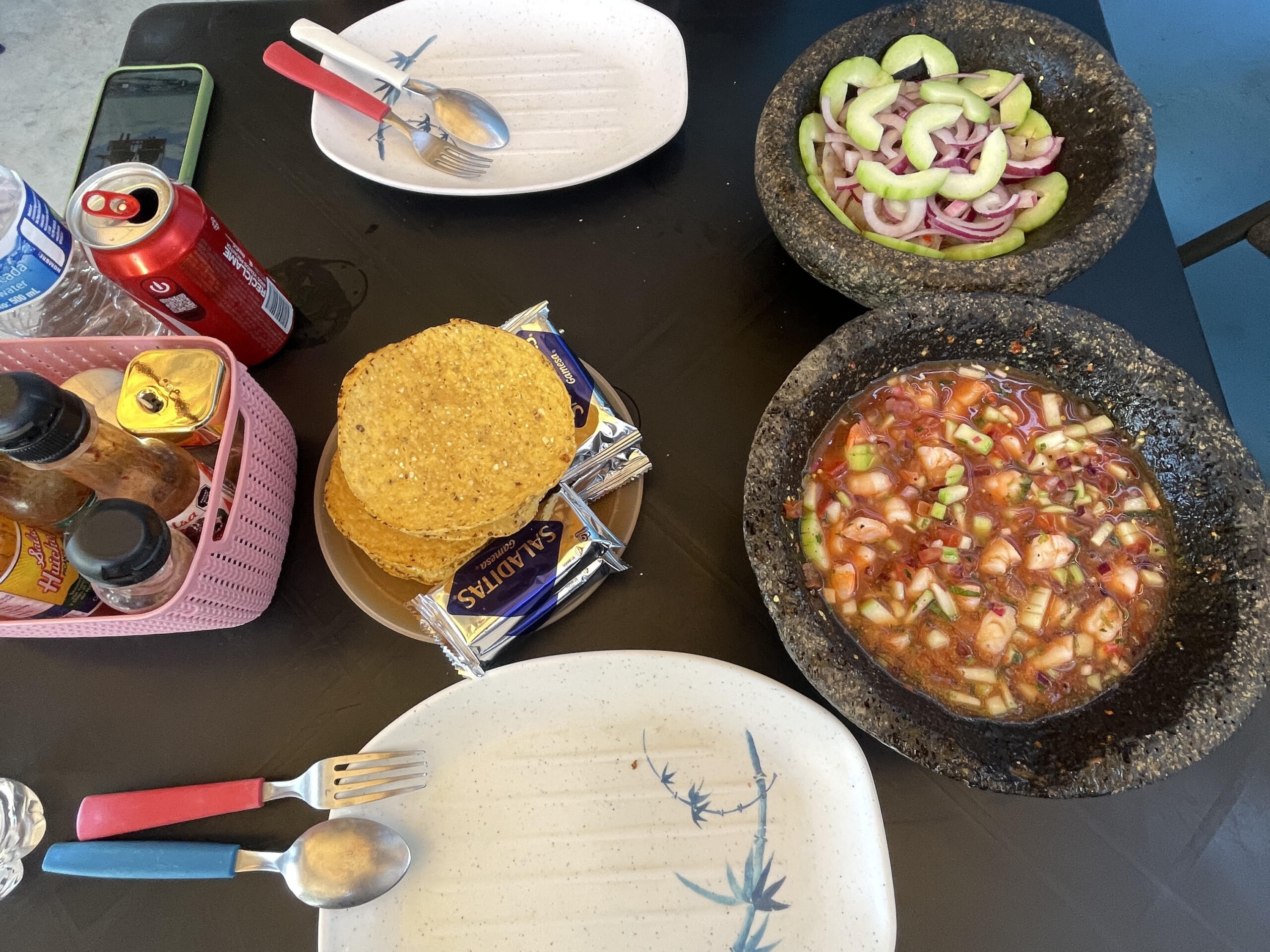
Aguachile was born across the Gulf of California from San Jose del Cabo in the Sinaloa region. It started as a method to preserve venison with lime and chiles. Next, it became a way to prepare fresh seafood after the Japanese migration in the 19th century. This is a must-try dish for any seafood or sushi lover! I loved this spicy cousin of ceviche.
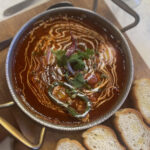
Aguachile – A Cabo specialty
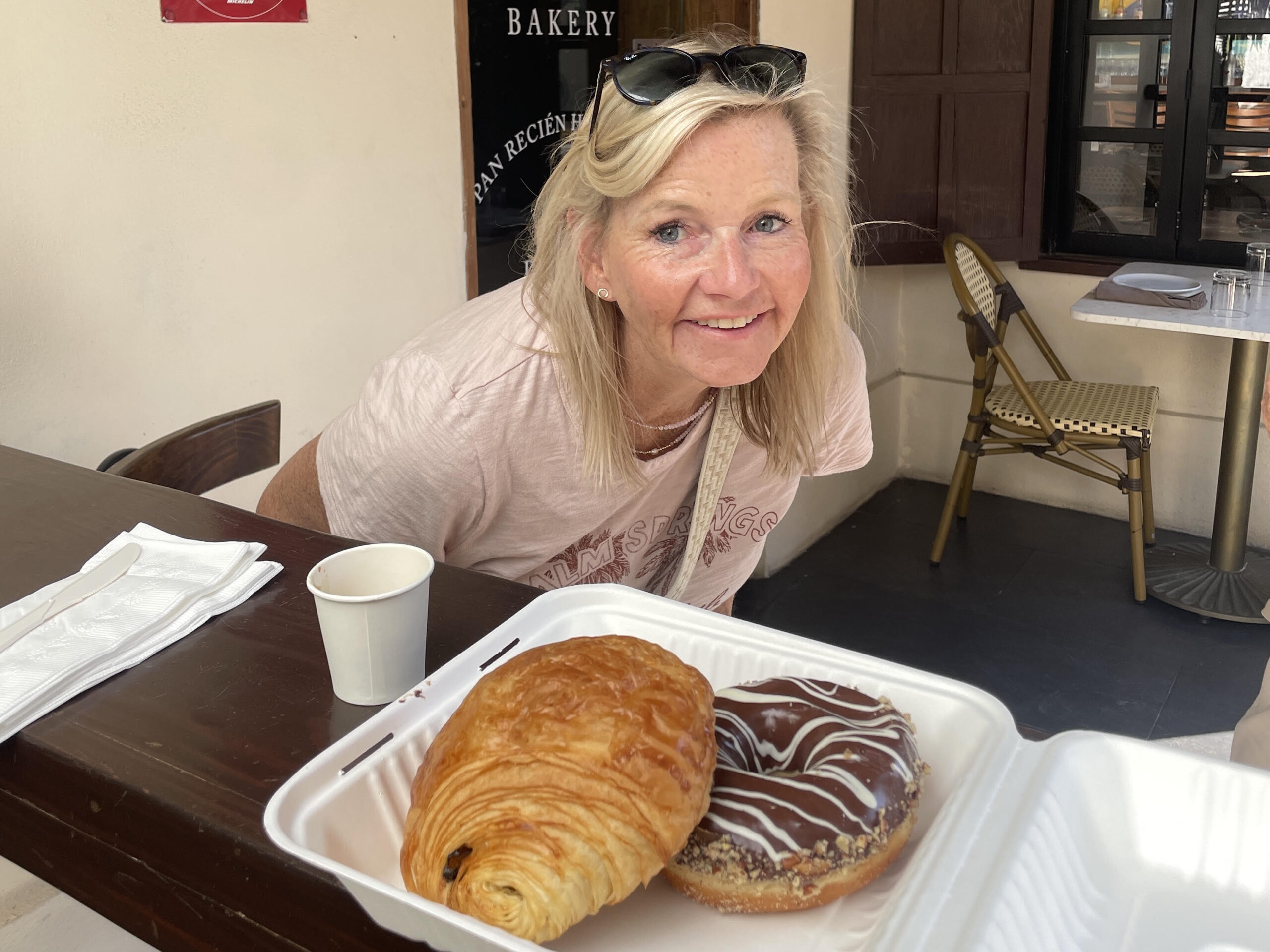
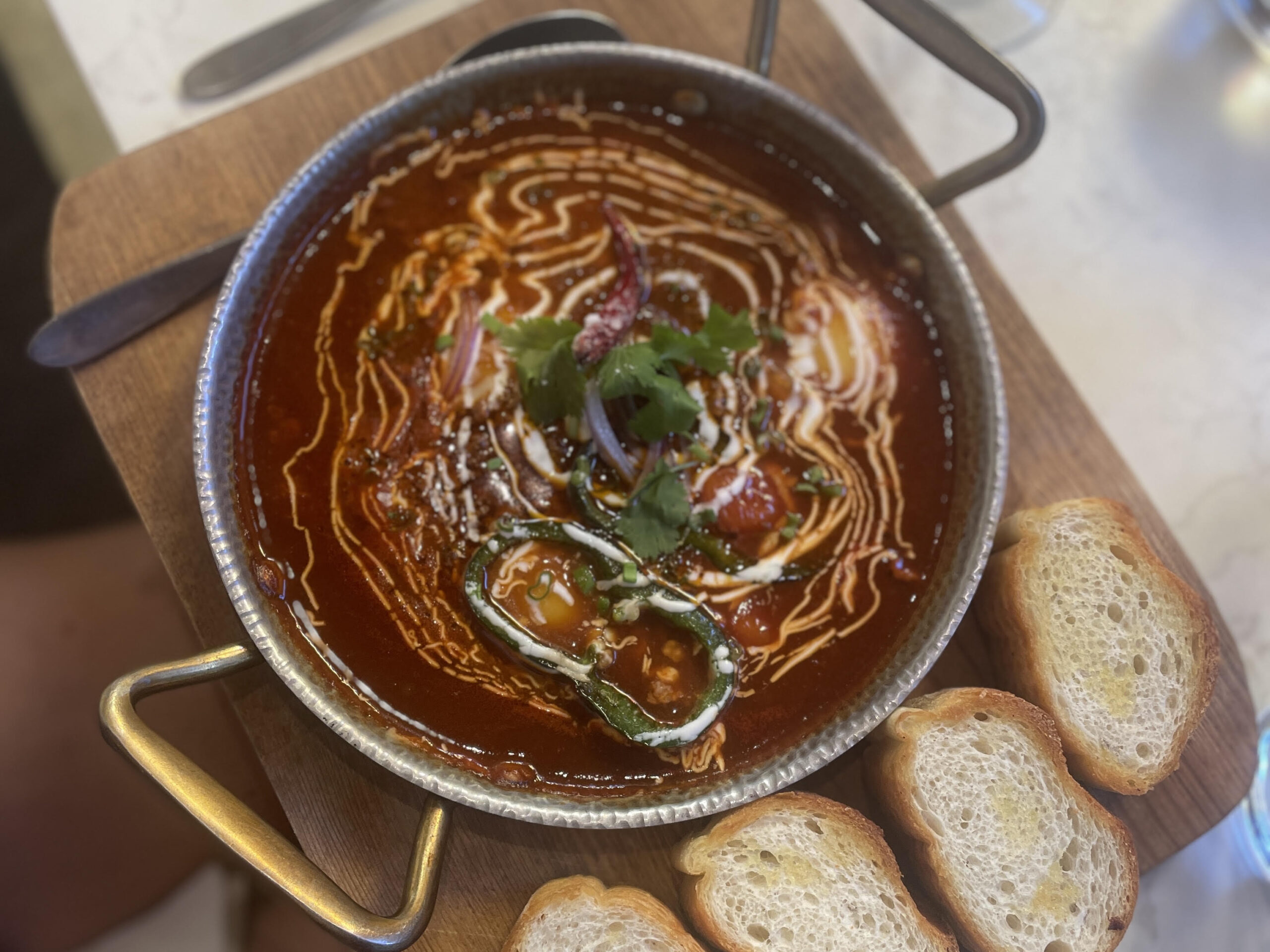
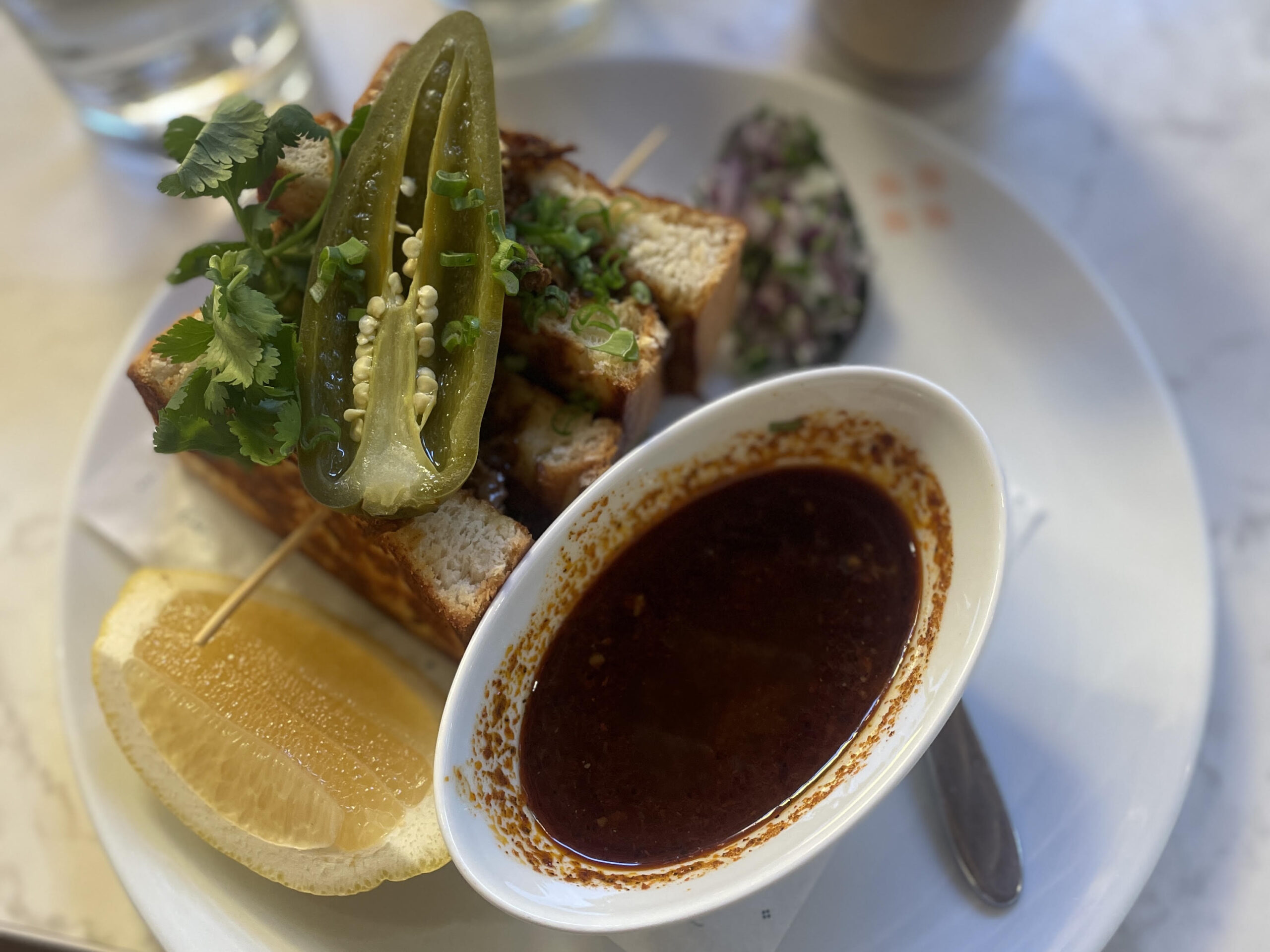
The second surprise of my trip was forced on me by road construction, which is a common occurrence in Los Cabos. While exploring a new route into downtown from my house, I stumbled upon an unassuming building with a little host stand out front. This was Ruba’s Bakery & Bistro, a Michelin-recognized restaurant serving up coffee, three meals a day, and better French pastries than I ever found in Europe. I ate at Ruba’s three days in a row and found that San Jose del Cabo’s baked goods scene rivals its savory offerings. From conchas and churros to empanadas and croissants, San Jose del Cabo will have your sweet tooth covered.
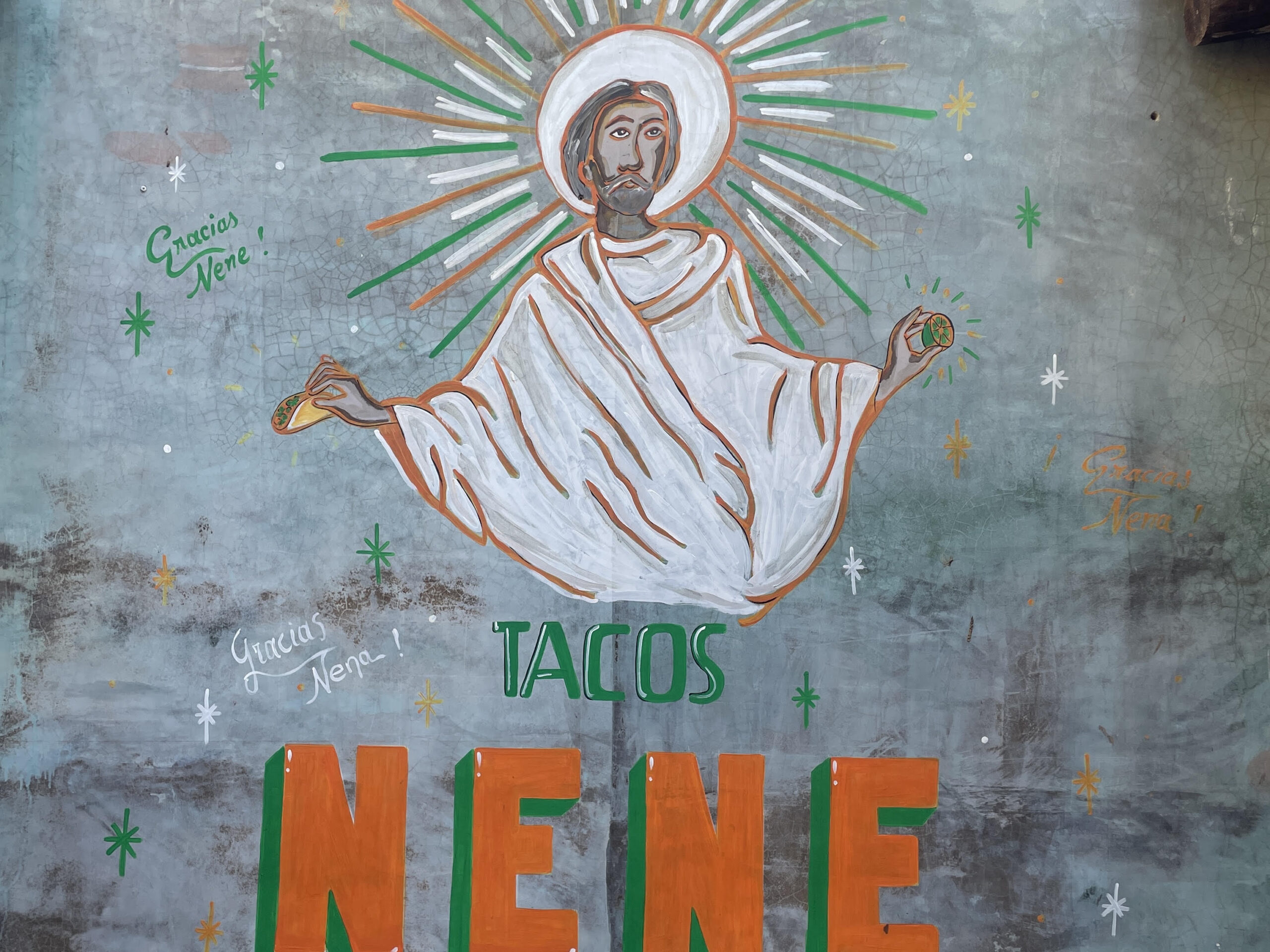
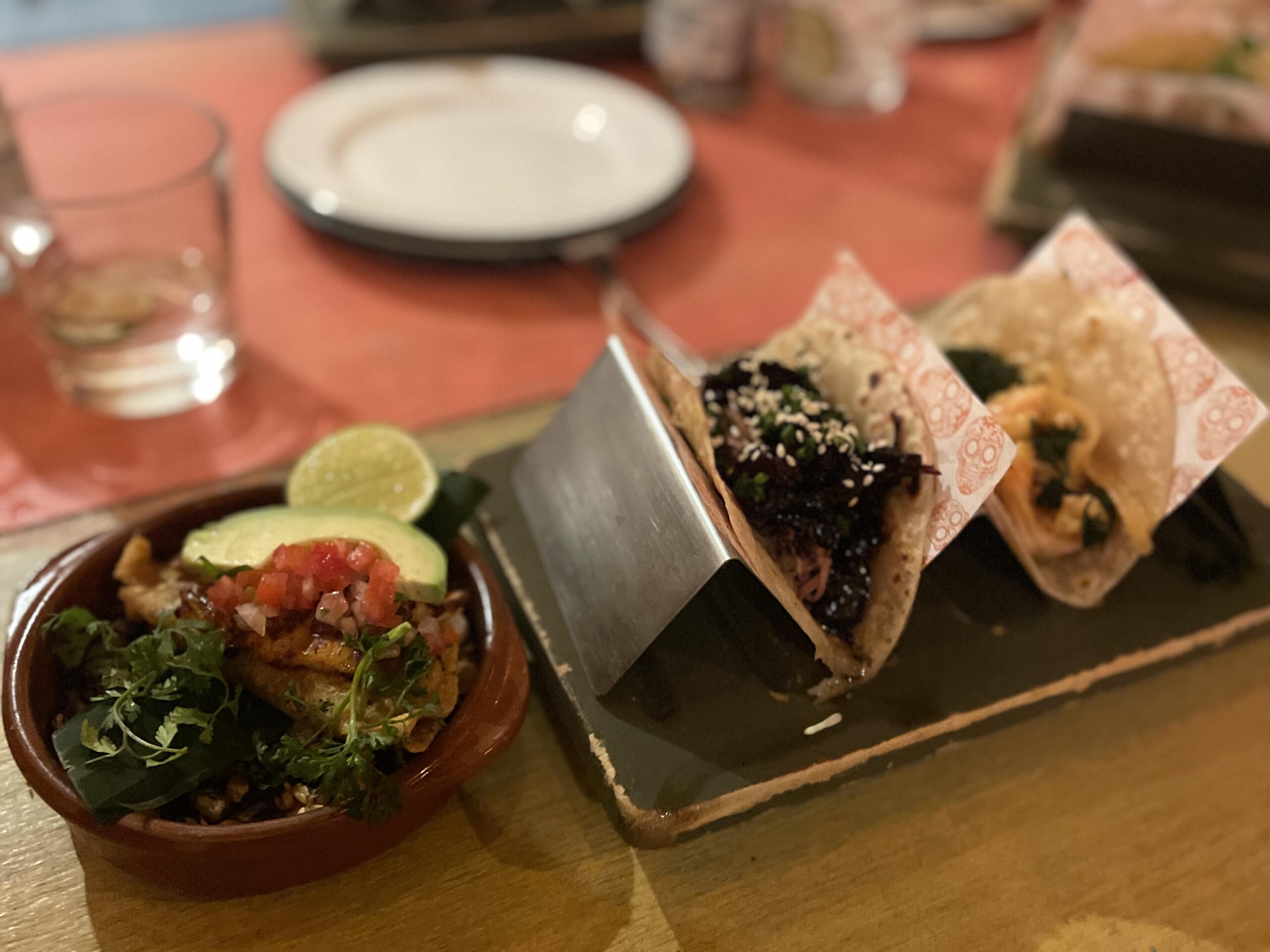
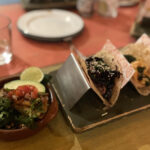
Tacos, tacos, y más tacos. I would argue San Jose del Cabo has as good of a taco scene as anywhere in Mexico. Downtown San Jose is not very expansive, but it seems like every block has five taco joints. The specialties of the region are fish tacos, shrimp tacos, and tacos al pastor. Flour tortillas are often more popular in this region, as they pair better with the fresh seafood toppings. That being said, every taqueria will press fresh masa for your tacos, so both options coexist. I beg you to explore this scene. But I will warn you, there is no correlation between the spice level of salsa and its color. Green does not always mean: "go ahead and eat me, I'm safe."
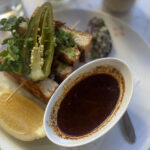
Ruba’s Bakery – San Jose del Cabo
I have to create a quick sidebar for my personal addiction. After visiting Italy earlier this year, my expectations for coffee have gotten lofty. This might be blasphemy, but Los Cabos gave the Italian cappuccino a run for its money. Almost all bars and restaurants seemed to have an espresso machine. For the size of San Jose del Cabo, I was surprised to find several local specialty coffee shops. As a bean juice addict, you will be pleased with the level of latte you are able to order in Cabo. It was a plus when the Mexicans didn't scoff when I wanted that latte iced.
Another primary attractor of San Jose del Cabo is the art scene. There are as many art galleries as there are restaurants in the downtown area. I’m not counting tourist traps filled with Christmas ornaments in that statement. I’m talking elevated, thought-provoking, museum-worthy pieces that display the pride that Mexicans have for their culture. There is even a weekly event dedicated to local artisans. Every Thursday night from November to June, the San Jose del Cabo art walk fills the streets of downtown. I was shocked to find styles of art I had never seen, and that I could actually afford, even though I ended up only purchasing a few handmade keychains. I will eventually cave on a larger purchase from one of the artists I immediately followed on Instagram.
Although Los Cabos has become known for its sport fishing, tequila drinking, and resort-style vacations, there is so much more to be found in this area of Mexico. For example: the blooming wellness scene, on full display at the wedding venue I attended at Jardin Tropical; the art culture and dedicated weekly festival; and the growing mountain biking and trail running community, hosting the 100km Mar a Mar trail race. I traveled to Los Cabos only looking forward to food and left with a yearning to explore much more of the desert oasis. I found myself seeking a deeper knowledge of the natural and cultural treasures of the arid landscape. Did I mention it only rains six days a year?
Aguachile is a spicy seafood dish that originated across the Gulf of California in the Sinaloa region. It started as a way to preserve venison with lime and chiles, then evolved into a fresh seafood preparation after Japanese migration to the region in the 19th century. It’s often described as a spicier cousin of ceviche.
Expertly crafted itineraries, tailored around you.
See Destinations